
 Save
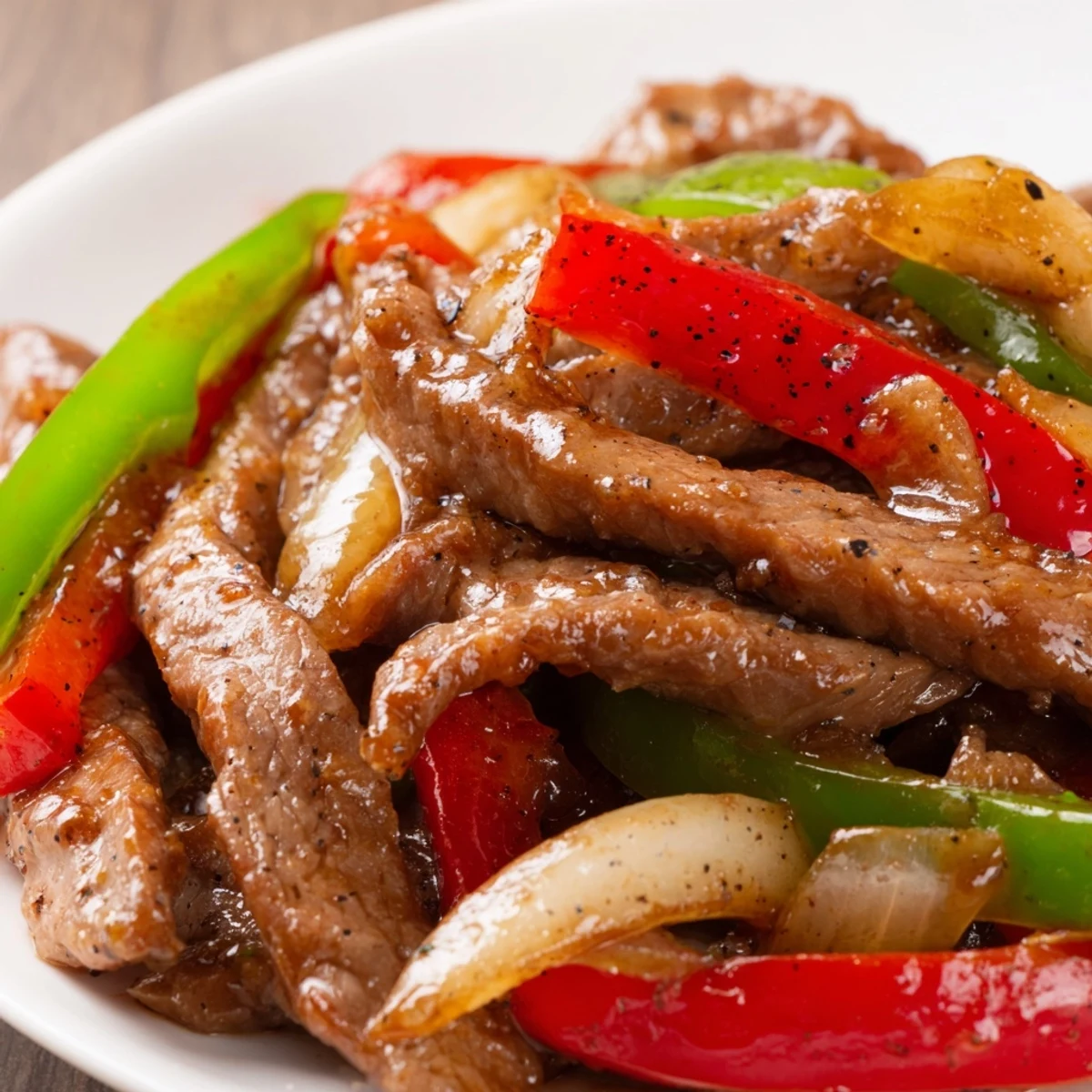
Save This vibrant stir-fry combines thinly sliced flank steak with colorful bell peppers and sweet onions, all coated in a rich umami sauce. The beef marinates briefly for maximum tenderness, then sears quickly over high heat to develop a beautiful crust. Fresh garlic and ginger add aromatic depth, while the blend of soy, oyster, and hoisin sauces creates that signature Chinese-American flavor profile. The entire dish cooks in under 15 minutes, making it perfect for busy weeknights when you want something restaurant-quality without the wait.
My tiny apartment kitchen fills with the most incredible aroma when onions hit screaming hot oil. That first sizzle makes my stomach growl every single time. I started making pepper steak on busy weeknights when takeout felt like too much effort but I still craved those bold Chinese-American flavors.
Last winter my roommate walked in while I was searing the beef and literally stopped mid sentence. She stood there breathing in the peppery steam until I had to laugh and hand her a fork. We ate it straight from the wok standing up because waiting for plates seemed ridiculous.
Ingredients
- Flank steak: Slicing against the grain is non negotiable here. I learned this the hard way when my first attempt came out like shoe leather despite the perfect marinade.
- Soy sauce: The backbone of both marinade and sauce. Low sodium gives you control over the salt level since hoisin and oyster sauce bring their own sodium.
- Shaoxing wine: Dry sherry works but the real thing adds that authentic restaurant depth. A splash goes straight to my happy place.
- Cornstarch: Does double duty tenderizing the beef and thickening that gorgeous glossy sauce. Dont skip it.
- Fresh black pepper: The star of the show. Be generous. The heat should whisper not shout.
- Bell peppers: Red and green give you that classic Chinese takeout look. I slice them thick so they stay crisp tender.
- Onion: Sweet onions work best here. Thin wedges caramelize beautifully in high heat.
- Garlic and ginger: Fresh only please. The jarred stuff tastes sad and watery compared to freshly minced.
- Oyster sauce: Umami bomb number one. A little goes a long way toward that restaurant flavor.
- Hoisin sauce: Adds subtle sweetness and depth. I keep an extra bottle in my pantry because I use it that often.
- Beef broth: Low sodium is crucial. Regular will make the sauce unbearably salty with all the other soy products.
- Vegetable oil: High smoke point is essential for proper stir frying. Olive oil burns and tastes bitter.
Instructions
- Marinate the beef:
- Combine sliced beef with soy sauce Shaoxing wine cornstarch and pepper in a bowl. Let it sit for at least 10 minutes while you prep everything else. This step is called velveting and it makes all the difference.
- Whisk up the sauce:
- Mix soy sauce oyster sauce hoisin sugar beef broth and cornstarch in a small bowl until smooth. Keep it nearby because stir frying waits for no one.
- Sear the beef:
- Heat half the oil in your wok until it is smoking hot. Add beef in a single layer and let it sear undisturbed for 1 minute. Flip and cook another minute then remove immediately. Do not crowd the pan or you will steam instead of sear.
- Crisp the vegetables:
- Add remaining oil to the wok. Toss in onions peppers garlic and ginger. Stir fry for 2 to 3 minutes until vegetables are bright and crisp tender. They should still have some bite.
- Bring it all together:
- Return beef to the wok. Pour in the sauce and toss everything together. Cook for 1 to 2 minutes until sauce thickens and coats everything beautifully.
- Season and serve:
- Sprinkle with extra fresh black pepper. Serve immediately over steamed rice while the sauce is still glossy and hot.
 Save
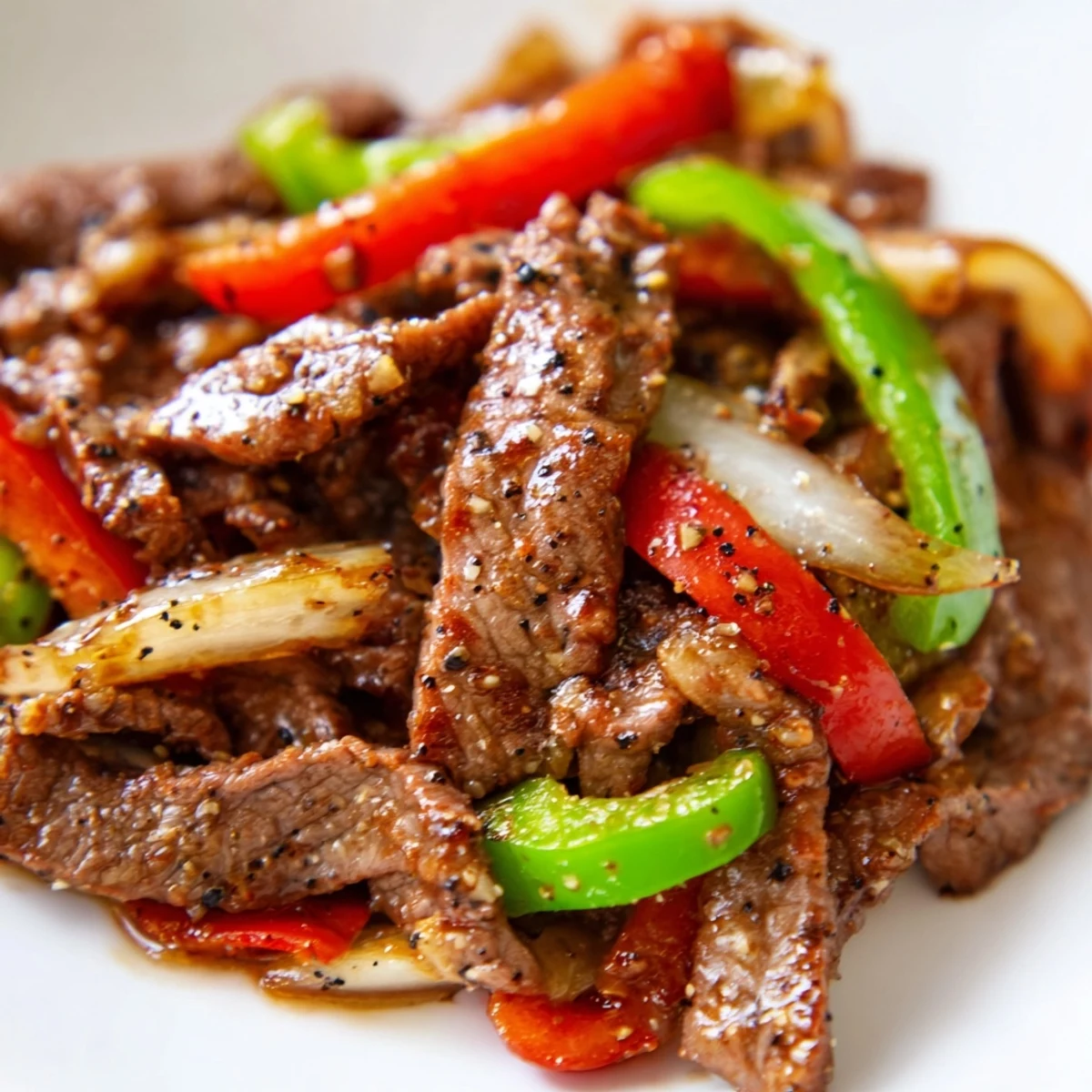
Save This recipe became my go to for dinner parties after I served it to my parents. My dad who never cooks asked for the recipe before he even finished his first plate. Watching someone take that first bite and close their eyes in pure satisfaction never gets old.
Getting The Right Beef Cut
Flank steak is ideal but skirt steak works beautifully too. The key is finding a cut with obvious grain lines so you can slice properly against them. I ask the butcher to slice it if I am feeling lazy but doing it myself means I can get those perfect thin strips.
Mastering The Wok
Let your wok get properly hot before adding anything. A cold wok means sticking and uneven cooking. I heat mine for a good 3 minutes over high heat until a drop of water instantly sizzles and dances across the surface. That is when you know it is ready.
Sauce Secrets
The sauce thickens fast once it hits the hot pan so have everything ready before you pour. I learned this when my first attempt turned into beef candy because I walked away for 30 seconds. Stay close and keep things moving.
- Prep every single ingredient before you turn on the stove.
- Taste the sauce before adding it and adjust the sugar if needed.
- Leftovers reheat beautifully in a hot skillet with a splash of water.
 Save
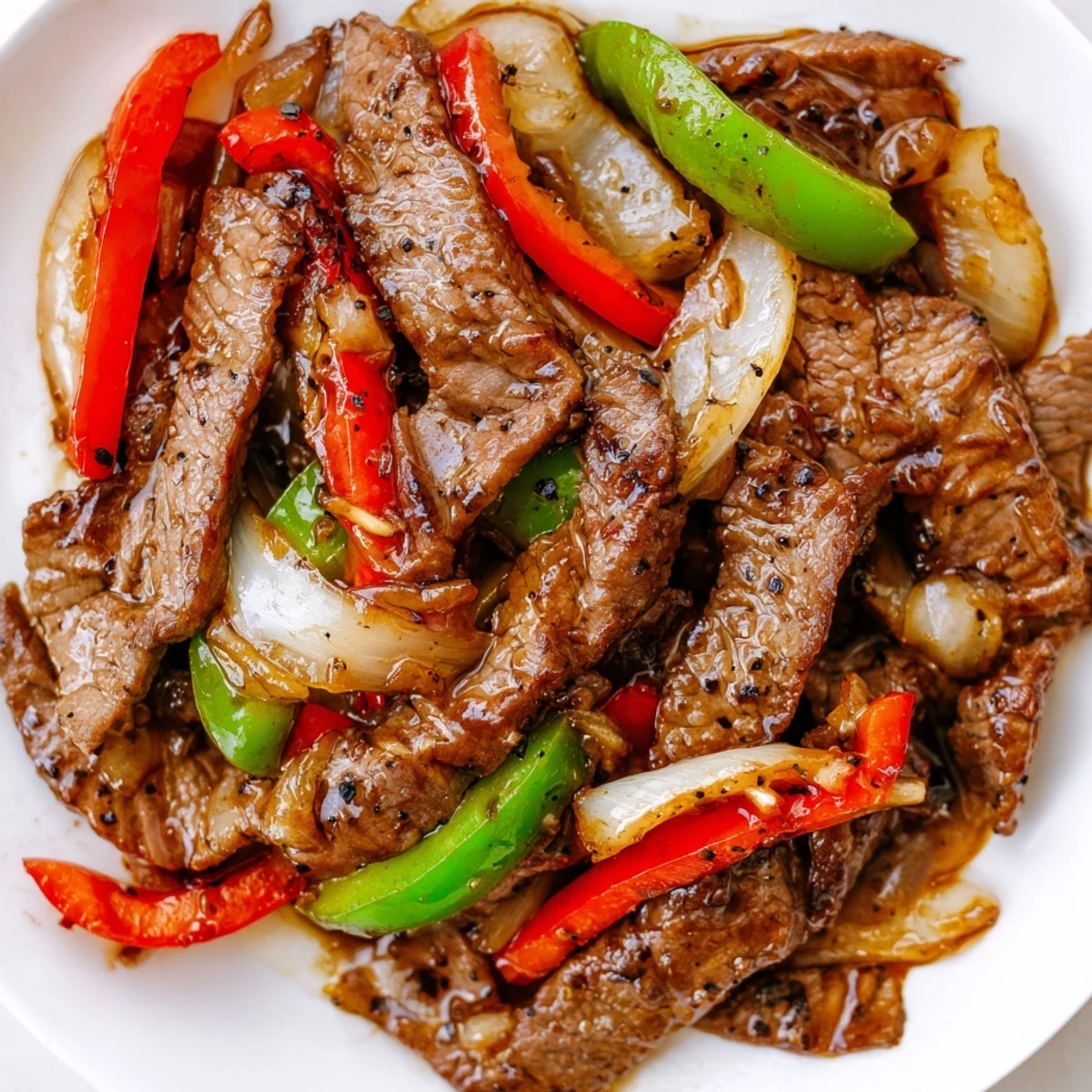
Save Every time I make this now it takes me back to that tiny kitchen and the realization that home cooking could be just as exciting as restaurant food. Grab your wok and dinner is 30 minutes away.
Recipe FAQs
- → What cut of beef works best for pepper steak?
-
Flank steak is ideal because it's lean and absorbs flavors well. Slice it thinly against the grain for tenderness. Sirloin or skirt steak also work nicely if flank isn't available.
- → How do I get restaurant-quality tender beef?
-
The key is marinating the beef with cornstarch and soy sauce for 10-15 minutes before cooking. This technique, called velveting, protects the meat fibers and keeps it incredibly tender during high-heat stir-frying.
- → Can I make this dish spicy?
-
Absolutely. Add fresh sliced chilies like jalapeños or serranos with the vegetables, or sprinkle in red pepper flakes to taste. The black pepper already provides a nice warmth, so adjust accordingly.
- → What vegetables can I substitute?
-
Beyond bell peppers and onions, try adding broccoli florets, snap peas, carrots, or water chestnuts for crunch. Just keep cooking times in mind and add harder vegetables earlier in the stir-fry process.
- → Is this gluten-free friendly?
-
Yes with simple substitutions. Use tamari instead of soy sauce, and seek out gluten-free oyster and hoisin sauces. The rest of the ingredients naturally contain no gluten.
- → How long do leftovers keep?
-
Store in an airtight container in the refrigerator for up to 3 days. Reheat gently in a skillet over medium heat, adding a splash of water or broth if the sauce has thickened too much.