
 Save
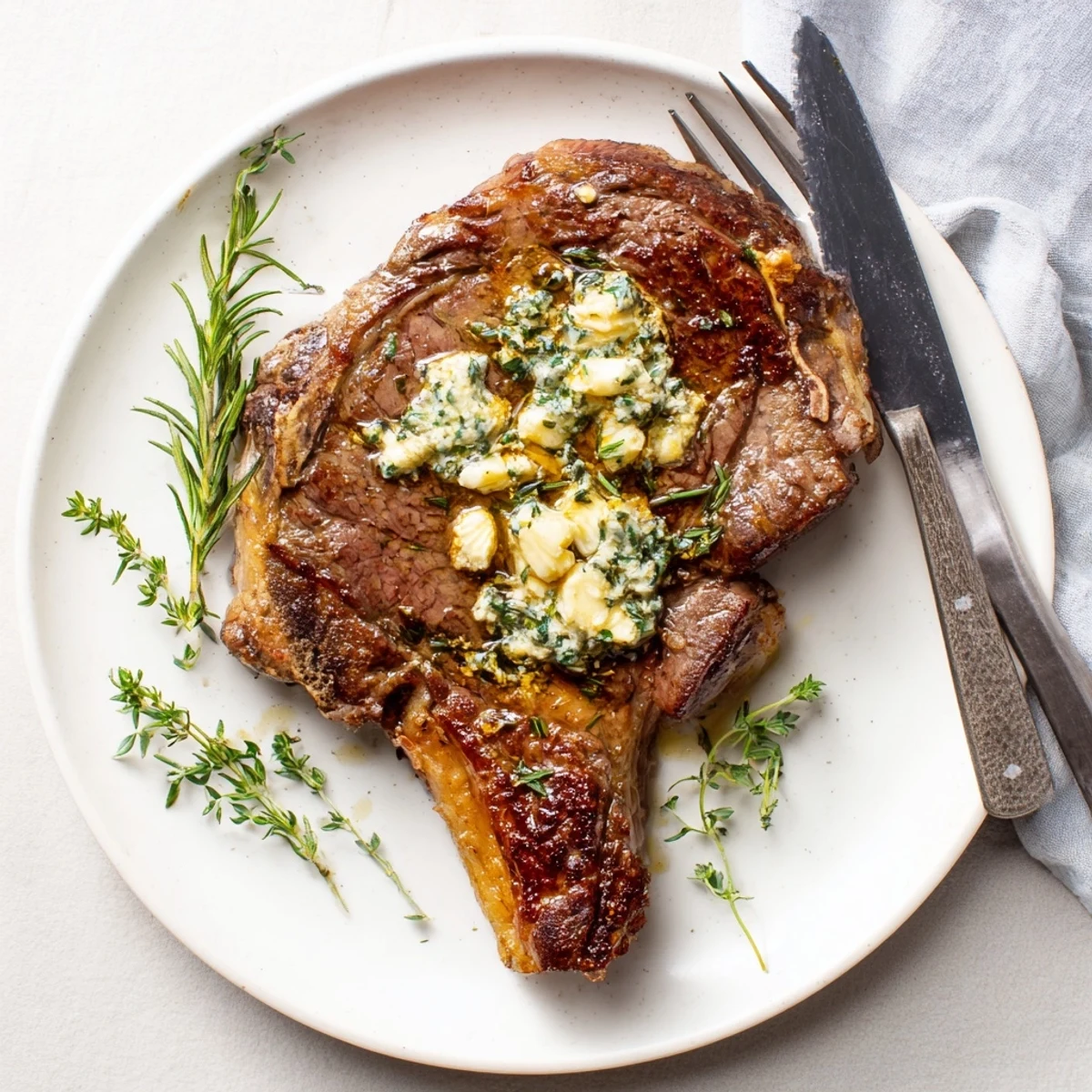
Save This ribeye delivers restaurant-quality results at home with minimal effort. The high-heat searing creates that coveted caramelized exterior while keeping the interior perfectly tender and juicy. Finishing with aromatic garlic butter infused with fresh thyme and rosemary elevates the steak with rich, savory depth. The basting technique ensures every bite absorbs those herbaceous butter flavors. After just 20 minutes total, you'll have an impressive main dish that rivals any steakhouse experience, complete with that beautiful golden crust and succulent pink center.
The smell of a ribeye hitting a scorching hot cast iron skillet is something my kitchen will never forget. I learned this technique from a chef who told me restaurant steaks taste better because they use more butter than anyone would ever admit at home. Now this is the only way I cook steak, and the basting step creates those restaurant flavors that make people pause mid-bite.
My brother called me halfway through his first attempt, convinced he was burning everything because the smoke alarm started going off. I told him that is exactly how you know the heat is right. Now he texts me pictures of his steaks every single time, and honestly, they are better than mine.
Ingredients
- Ribeye Steaks: Room temperature meat cooks evenly and creates better sear marks, so plan ahead and let them sit out for 30 minutes
- Kosher Salt & Black Pepper: Be generous here because salt creates the crust and pepper adds the classic steakhouse bite
- Unsalted Butter: Unsalted lets you control the seasoning while the milk solids brown and create those nutty flavors
- Garlic Cloves: Smashed cloves release more oil into the butter than minced ones
- Fresh Thyme & Rosemary: Woody herbs hold up to high heat better than delicate ones like basil
- High-Heat Oil: Canola and avocado oil can take the temperature without burning or smoking excessively
Instructions
- Prep the Steaks:
- Pat them completely dry with paper towels because moisture is the enemy of a good crust, then season liberally on both sides
- Get the Pan Hot:
- Heat your cast iron over high heat for about 2 minutes until it is screaming hot, then add the oil and swirl
- Sear the First Side:
- Lay the steaks in the pan and do not touch them for 3 to 4 minutes while a deep golden crust forms
- Flip and Add Flavor:
- Turn the steaks over and toss in the butter, garlic, thyme, and rosemary
- Baste to Perfection:
- Tilt the pan and spoon the melting butter over the steaks constantly for 2 to 3 minutes until they reach your desired doneness
- Rest Before Serving:
- Let the meat rest for 5 minutes on a cutting board so the juices redistribute throughout the steak
 Save
Save This recipe became our anniversary tradition because the first time I made it, we were supposed to go out but ended up staying in instead. Now restaurant steaks almost never compare to what we can create at home together.
Choosing the Right Steak
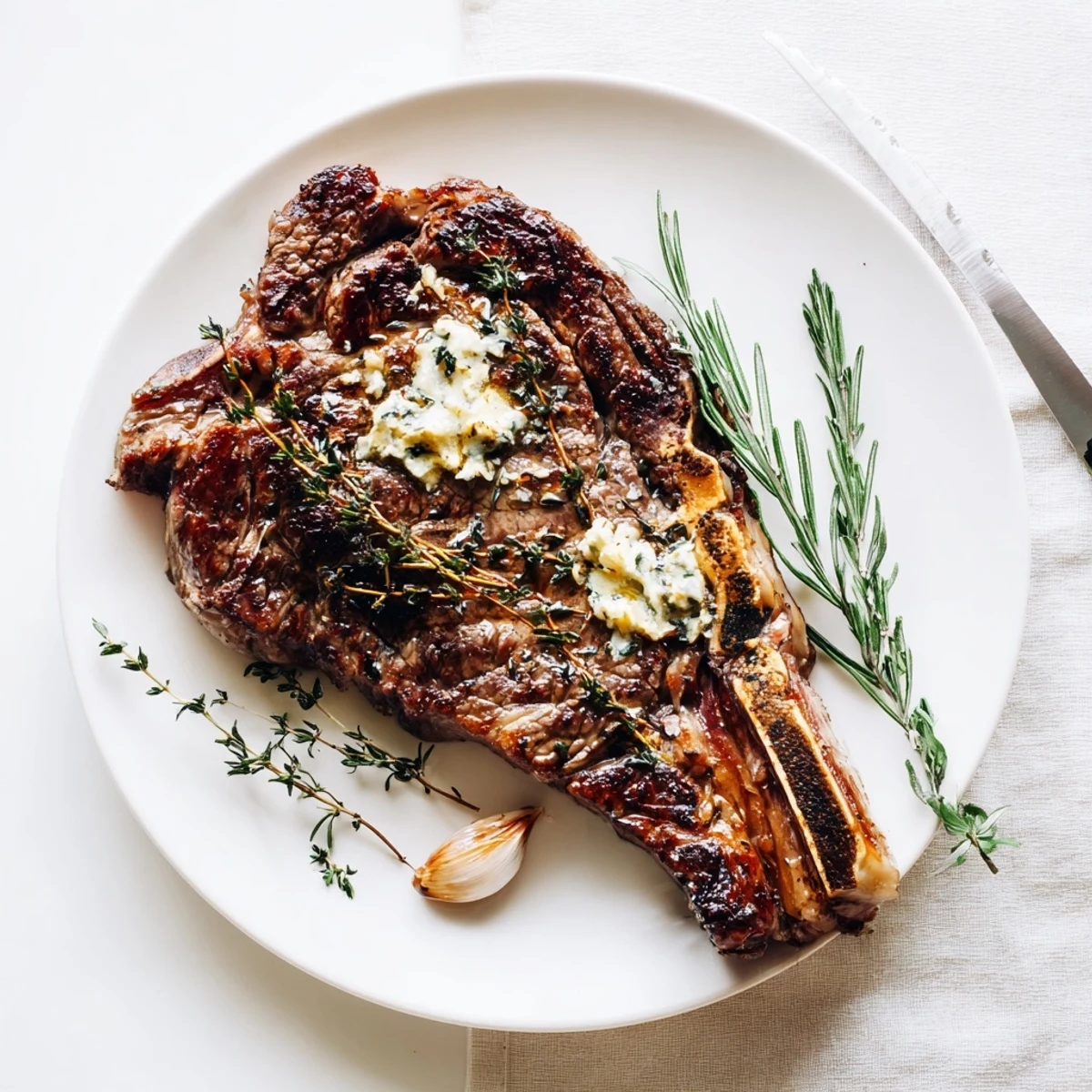
Look for steaks with good marbling throughout because those white streaks of fat render during cooking and keep the meat juicy. Thickness matters immensely since thin steaks overcook before developing proper crust.
Pan Selection Matters
Cast iron retains heat better than anything else, which is crucial because the steak temperature drops the moment it hits the metal. A heavy pan recovers that heat quickly and maintains steady searing temperature.
Mastering Doneness
Touch tests are unreliable and visual cues vary with lighting. Temperature is the only way to know for sure. Pull the steak 5 degrees below your target because it continues cooking during the rest period.
- Medium rare hits 135°F and is the sweet spot for most ribeye lovers
- Remember that the thermometer should be inserted into the thickest part
- Reverse searing works too but this method creates better crust
 Save
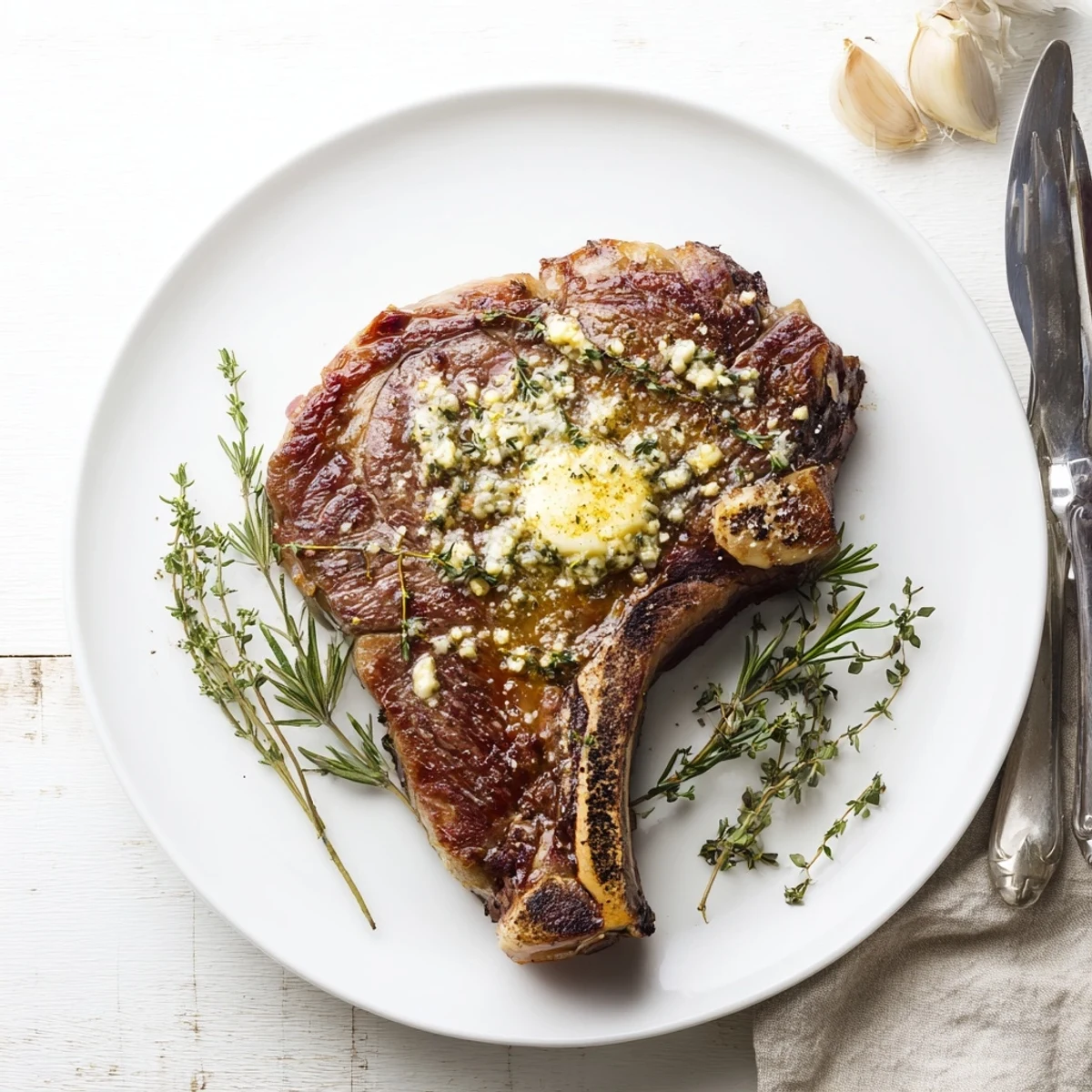
Save Perfect steak nights are less about fancy techniques and more about confidence. The more you make this, the more you will trust your senses and wonder why you ever ordered steak at restaurants.
Recipe FAQs
- → What temperature should I cook ribeye to?
-
Aim for 125°F for rare or 135°F for medium-rare. Use an instant-read thermometer to check doneness without cutting into the meat, which lets precious juices escape.
- → Why must the steak rest before serving?
-
Resting allows the internal juices to redistribute throughout the meat. This ensures each bite stays tender and juicy rather than losing all those flavorful liquids when you cut into it.
- → Can I use other cuts of meat?
-
New York strip, filet mignon, or porterhouse work beautifully with this method. Adjust cooking times based on thickness—thinner cuts cook faster, while thicker steaks need more time.
- → What if I don't have a cast-iron skillet?
-
A heavy stainless steel pan performs well too. The key is using a pan that retains high heat and gets thoroughly hot before adding the oil to achieve proper searing.
- → How do I know when the crust is ready?
-
Don't move the steak for the first 3-4 minutes. Lift gently with tongs to check—a deep golden-brown color indicates the crust has formed properly before flipping.
- → What herbs work best for basting?
-
Thyme and rosemary are classic choices, but fresh sage, oregano, or parsley also work. Hardy woody herbs withstand the heat better than delicate leafy herbs.