
 Save
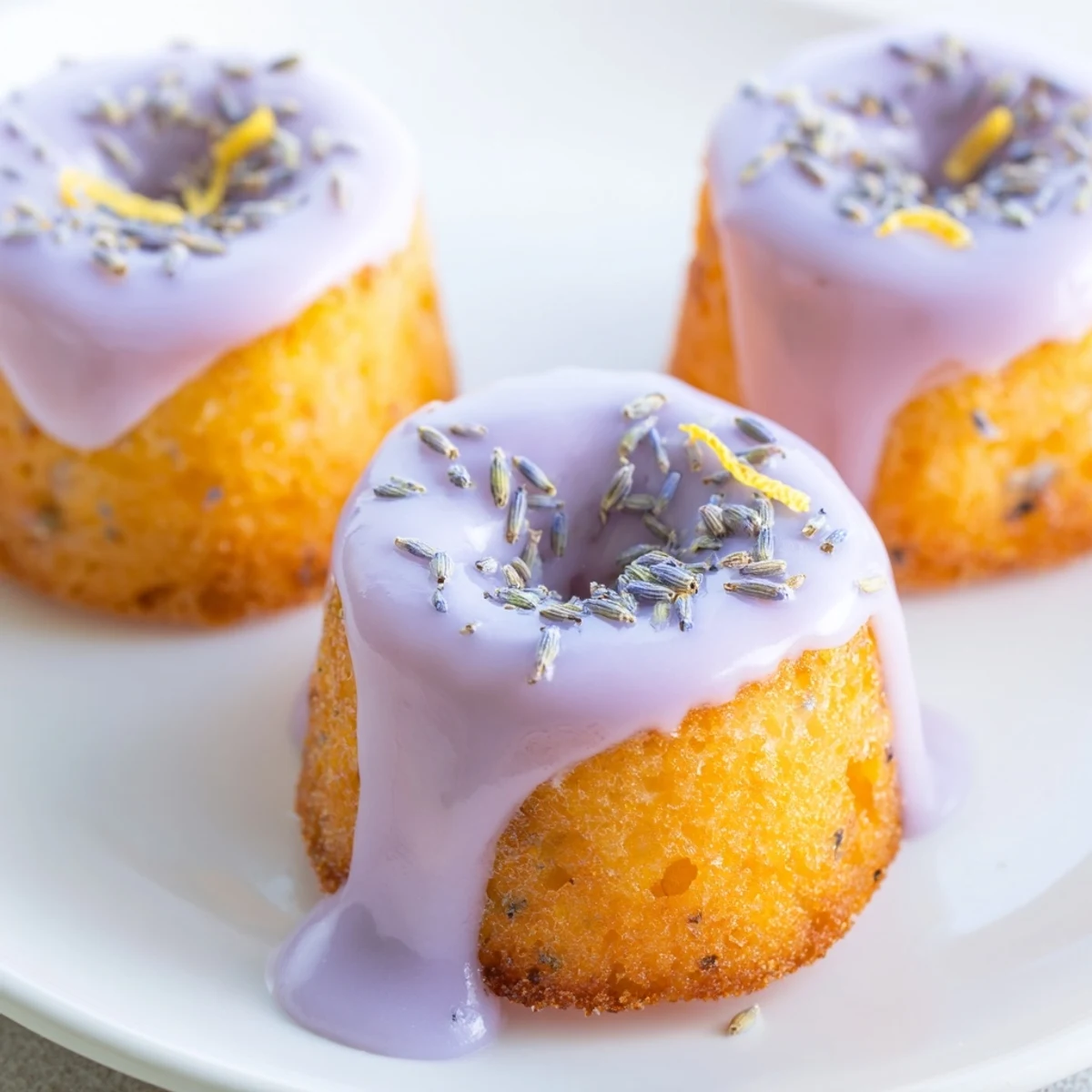
Save These tender lemon cakes deliver bright citrus flavor with a moist, tender crumb that melts in your mouth. The fragrant lavender glaze adds a sophisticated floral note that balances the tangy lemon perfectly. Each miniature cake is ideal for serving at brunches, tea parties, or special occasions.
The preparation involves creating a classic lemon batter using fresh zest and juice, then baking in individual portions until golden. The finishing touch is a silky glaze infused with crushed culinary lavender, creating a stunning presentation with a sophisticated flavor profile.
My neighbor Mrs. Higgins grew lavender in her front yard, the kind that spilled onto the sidewalk and released perfume whenever anyone walked past. One summer afternoon, she handed me a small bundle of dried buds and told me to bake something special. Those tiny purple flowers transformed an ordinary lemon cake into something that felt like magic.
I first made these for my sister's baby shower, desperate to impress her fancy friends. When the first guest bit into a cake and immediately asked for the recipe, I knew Mrs. Higgins lavender gift had worked its charm. Now they are my go-to whenever I need to bring something that looks effortless but tastes extraordinary.
Ingredients
- 1 1/2 cups all-purpose flour: The foundation of tender cakes, sifting prevents any lumps and keeps texture light and delicate
- 1 tsp baking powder and 1/4 tsp baking soda: This duo creates the perfect lift for moist, fluffy cakes that rise beautifully
- 1/2 cup unsalted butter: Room temperature butter creamed with sugar creates tiny air pockets for the most tender crumb imaginable
- 1 cup granulated sugar: Sweetens and helps create a golden, slightly crisp exterior while keeping the inside soft
- 2 large eggs: Room temperature eggs incorporate better and provide structure without making the cakes tough or rubbery
- 2 tbsp freshly grated lemon zest: This is where all the bright lemon flavor lives, so use a microplane and really get into those oils
- 1/4 cup fresh lemon juice: Adds tang and reacts with baking soda for extra lift, but measure carefully since too much can affect texture
- 1/2 cup whole milk: Whole milk creates a richer, more tender cake than low-fat alternatives
- 1 tsp pure vanilla extract: A little background warmth that rounds out the sharp citrus notes
- 1 1/2 cups powdered sugar: Sifting is non-negotiable here for that silky, professional-looking glaze
- 2-3 tbsp milk: Adjust this to get the perfect pouring consistency, thick enough to coat but thin enough to drizzle beautifully
- 1 1/2 tsp dried culinary lavender: Crush these between your fingers right before using to release the essential oils and avoid bitter chunks
- 1 tbsp fresh lemon juice: Cuts through the sweetness of the glaze and makes the flavors pop
Instructions
- Preheat your haven:
- Get your oven to 350°F and generously grease a 12-cup mini bundt pan, getting into all those little crevices
- Whisk the dry team:
- Combine flour, baking powder, baking soda, and salt in a medium bowl, setting it aside while you tackle the wet ingredients
- Cream butter and sugar:
- Beat them together for a full 2-3 minutes until the mixture turns pale and fluffy, this step is worth every second
- Add eggs one at a time:
- Let each egg fully incorporate before adding the next, then mix in the lemon zest and vanilla until everything is fragrant and combined
- Introduce the lemon juice:
- Pour it in and watch the mixture curtle slightly, this is completely normal and will smooth out when flour joins the party
- Alternate wet and dry:
- Add flour mixture in three parts, alternating with milk, starting and ending with flour, and stop mixing as soon as you see the last streak of flour disappear
- Fill and bake:
- Divide batter evenly among your prepared molds and bake for 16-18 minutes until golden and a toothpick comes out clean
- Cool completely:
- Let them rest in the pan for 10 minutes before turning them out, then cool completely before glazing or the glaze will slide right off
- Make the lavender magic:
- Whisk powdered sugar, milk, crushed lavender, and lemon juice until smooth and pourable, adding more sugar or milk to reach perfect consistency
- Glaze generously:
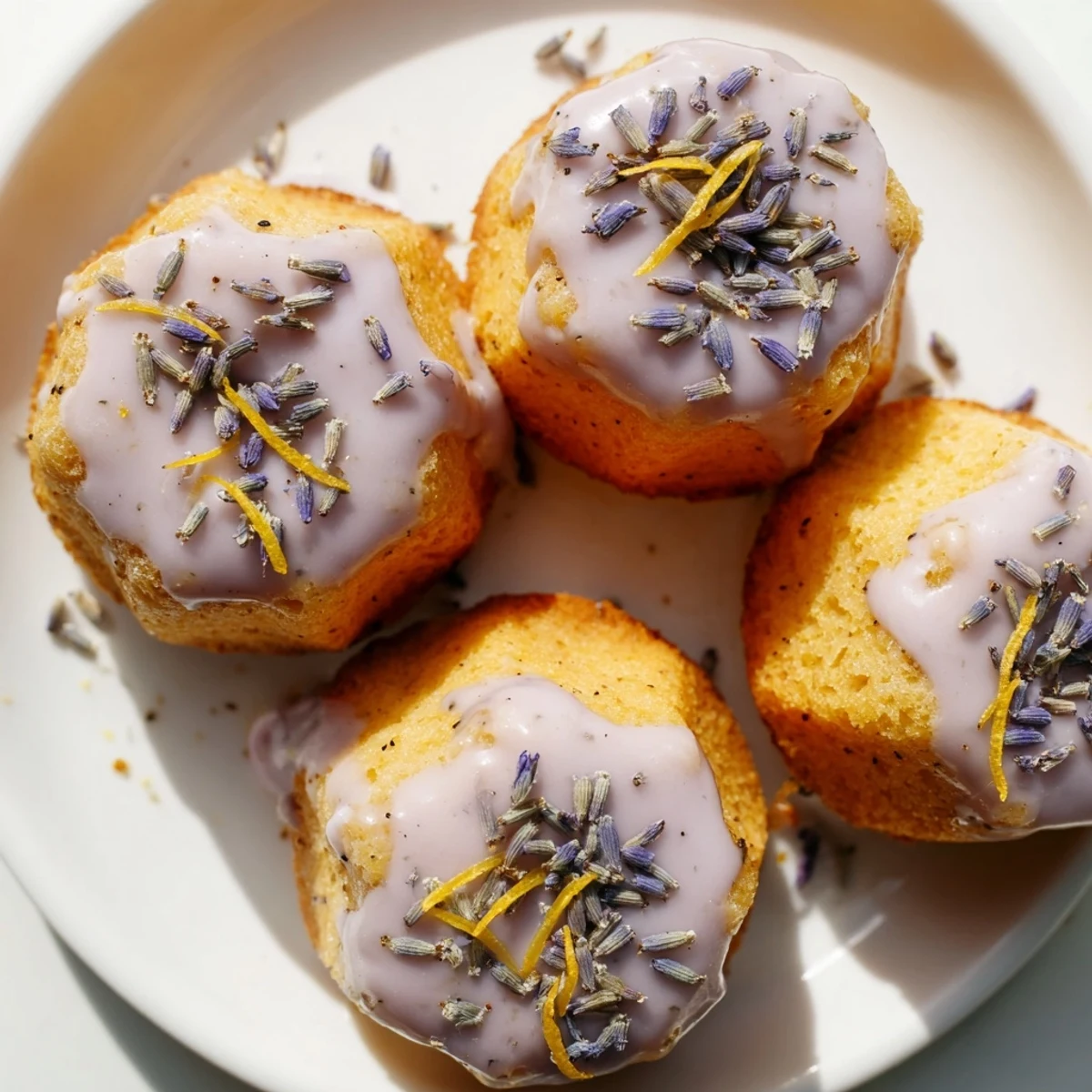
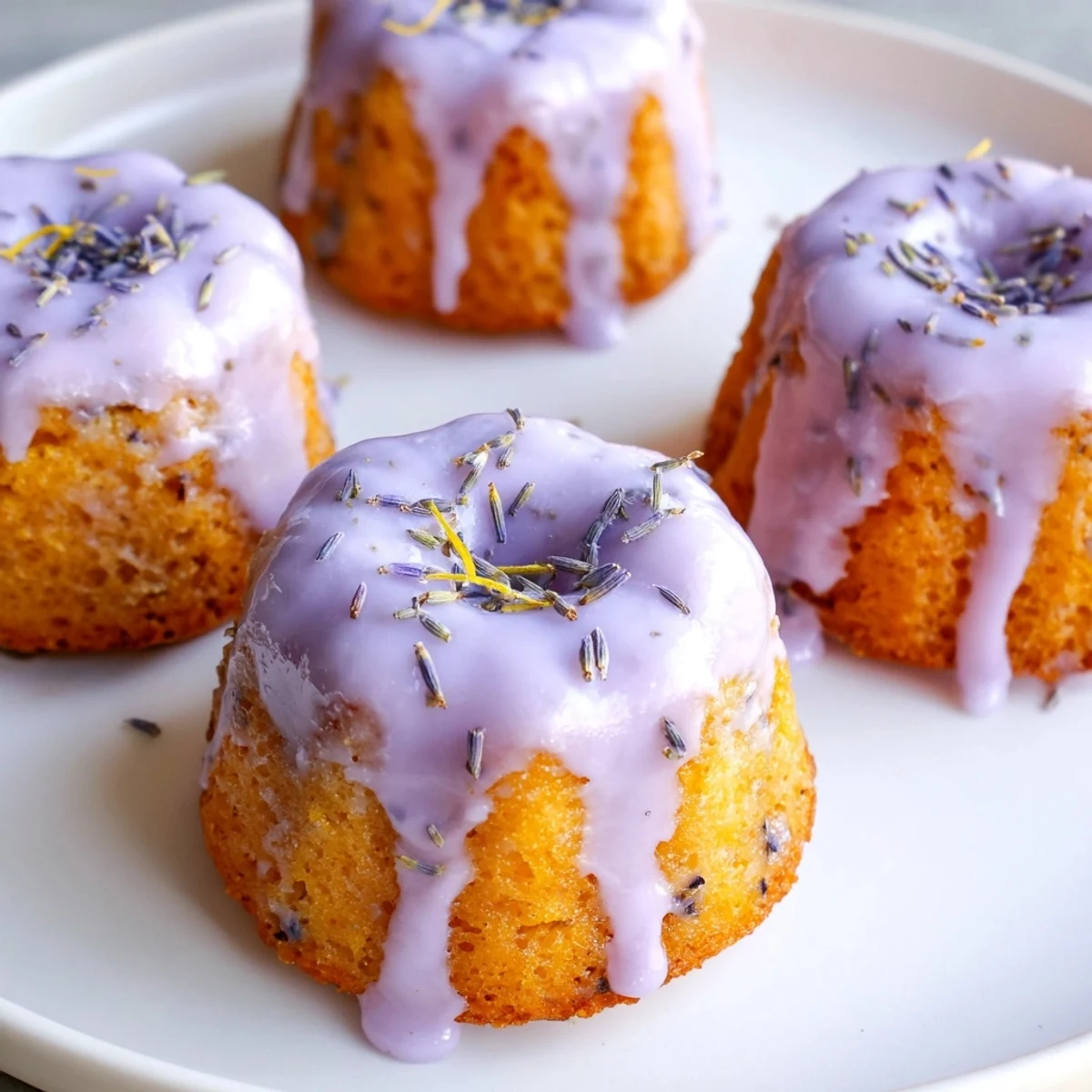
- Spoon that fragrant purple glaze over each cooled cake, letting it drip down the sides naturally
- Finish with flair:
- Sprinkle with extra lavender buds and maybe some lemon zest strips for that professional bakery touch
 Save
Save Last spring, I made these for a garden party and watched as my usually skeptical father-in-law reached for a third. He admitted he was not sure about flower desserts but these won him over completely. Now he asks specifically when I will bring those purple cakes again.
Getting The Perfect Glaze Consistency
The right glaze consistency should coat a spoon but still slowly drip off. If it is too thick, add milk one teaspoon at a time. Too thin, whisk in more sifted powdered sugar until it behaves.
Working With Lavender
Dried lavender can vary in intensity depending on when it was harvested. Start with slightly less in the glaze, taste, and add more if needed. Crushing the buds between your fingers right before using releases the most flavor.
Making Ahead And Storage
The unfrosted cakes keep beautifully in an airtight container for up to two days. Wait to glaze until the day you serve them, since the glaze can weep and become sticky if it sits too long.
- Freeze unfrosted cakes for up to a month, thawing at room temperature before glazing
- Wrap individually in plastic wrap for portion-controlled freezing
- Bring all ingredients to room temperature before baking for the best texture
 Save
Save Something about these little cakes makes people slow down and linger, maybe it is the unexpected floral notes or just how pretty they look on a plate. They have a way of turning ordinary moments into something worth celebrating.
Recipe FAQs
- → What type of lavender should I use?
-
Always use culinary-grade dried lavender for the best flavor. Regular craft or decorative lavender may contain pesticides or have a bitter, soapy taste. Culinary lavender is specifically grown and processed for consumption.
- → Can I make these ahead of time?
-
Yes, the unfrosted cakes can be baked one day in advance and stored in an airtight container at room temperature. Glaze them shortly before serving for the freshest appearance and texture.
- → How do I prevent the cakes from being dry?
-
Avoid overmixing the batter once flour is added, as this develops gluten and creates a tough texture. Also, do not overbake—remove from the oven when a toothpick comes out clean with just a few moist crumbs.
- → Can I use fresh lavender instead of dried?
-
Fresh lavender can be used, but it has a milder flavor than dried. Use about twice the amount of fresh lavender buds and crush them finely to release their oils. Steeping the milk with fresh flowers also helps extract more flavor.
- → What can I serve with these mini cakes?
-
Pair with chilled Moscato wine, Earl Grey tea, or a light herbal tea like chamomile. They also complement fresh berries or a dollop of crème fraîche for an extra special dessert presentation.
- → Can I make these without a mini bundt pan?
-
A standard muffin pan works perfectly fine. You can also use a regular bundt pan for one large cake, adjusting the baking time to 30-35 minutes. Alternatively, bake in a 9-inch round cake pan for two layers.