
 Save
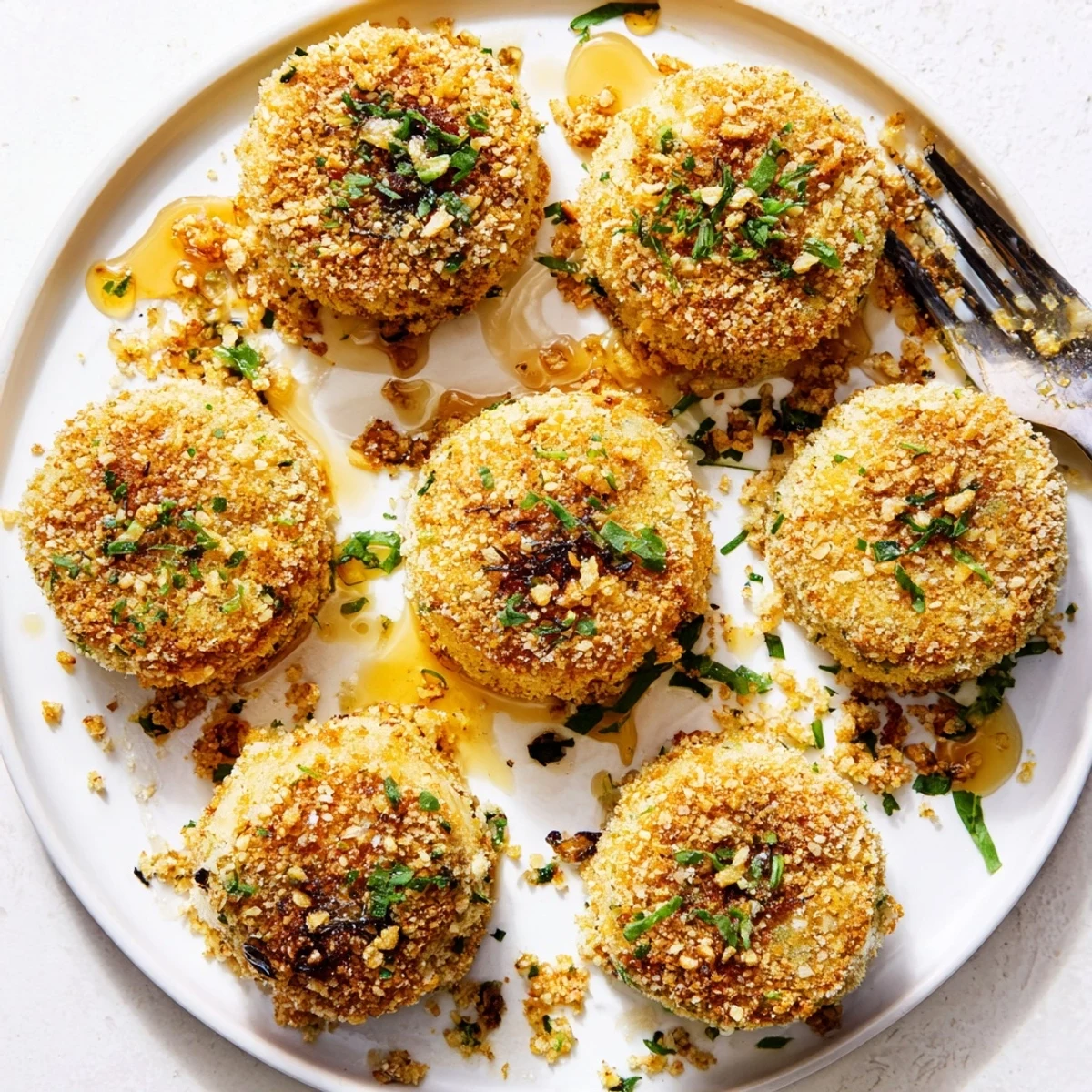
Save These golden medallions feature tangy fresh goat cheese coated in a crunchy pretzel crust and pan-fried until perfectly crisp. The creamy interior contrasts beautifully with the salty, textured exterior, creating an irresistible appetizer that elevates any gathering.
Slice cold chèvre into rounds, dip in flour, egg, then crushed pretzels. Chill briefly to help the coating adhere, then fry in hot oil until golden brown. Serve warm with honey for a sweet-savory balance or atop mixed greens for a restaurant-worthy salad.
The technique works best with well-chilled cheese and a light touch during coating. Prep ahead and fry just before serving for maximum crunch.
The first time I encountered pretzel-crusted goat cheese was at a tiny wine bar downtown, where I kept ordering them until the bartender finally laughed and told me the secret was chilling the cheese really well before frying. I went home that weekend and recreated it, accidentally making enough for twelve people because I couldn't stop slicing the cheese log just a little thinner, then a little thinner.
Last summer I made these for my friend's rooftop gathering, and honestly, they vanished faster than anything else on the table including the elaborate charcuterie board someone spent an hour arranging. People were eating them with their fingers straight off the serving platter.
Ingredients
- Fresh goat cheese: Keep it ice-cold before slicing, seriously, I've learned the hard way that room temperature goat cheese turns into a sticky mess that won't hold its shape
- Pretzels: Crush them until they're fairly fine but not powder, you want some texture left so the crunch is satisfying not just sandy
- All-purpose flour: This creates the base layer that helps the egg and pretzels actually stick to the cheese instead of sliding right off
- Eggs: Beat them until they're completely uniform so every medallion gets evenly coated without bare patches
- Vegetable oil: You want enough oil to come about a quarter inch up the side of your pan for that perfect shallow fry
- Fresh herbs: Chives add a mild onion flavor that cuts through the richness, though parsley works beautifully if that's what you have on hand
Instructions
- Slice your cheese:
- Cut the cold goat cheese into eight even rounds using dental floss for the cleanest slices, about half an inch thick, and transfer them to a plate in the fridge while you prep everything else.
- Set up your coating stations:
- Get three shallow bowls ready, one with flour, one with beaten eggs, and one with crushed pretzels, arranged in that exact order so you can move through them efficiently.
- Coat each medallion:
- Dip a goat cheese round first into flour, shaking off the excess, then into the egg, letting any extra drip off, and finally press it firmly into the pretzels until thoroughly coated on all sides.
- Chill before frying:
- Place all the coated medallions back on a plate and refrigerate them for at least fifteen minutes, which I promise makes the difference between the crust sliding off or staying perfectly intact during frying.
- Heat your oil:
- Pour the vegetable oil into your skillet until it's about a quarter inch deep and heat it over medium until it reaches 350 degrees Fahrenheit, or when a pretzel crumb sizzles immediately upon hitting the oil.
- Fry in batches:
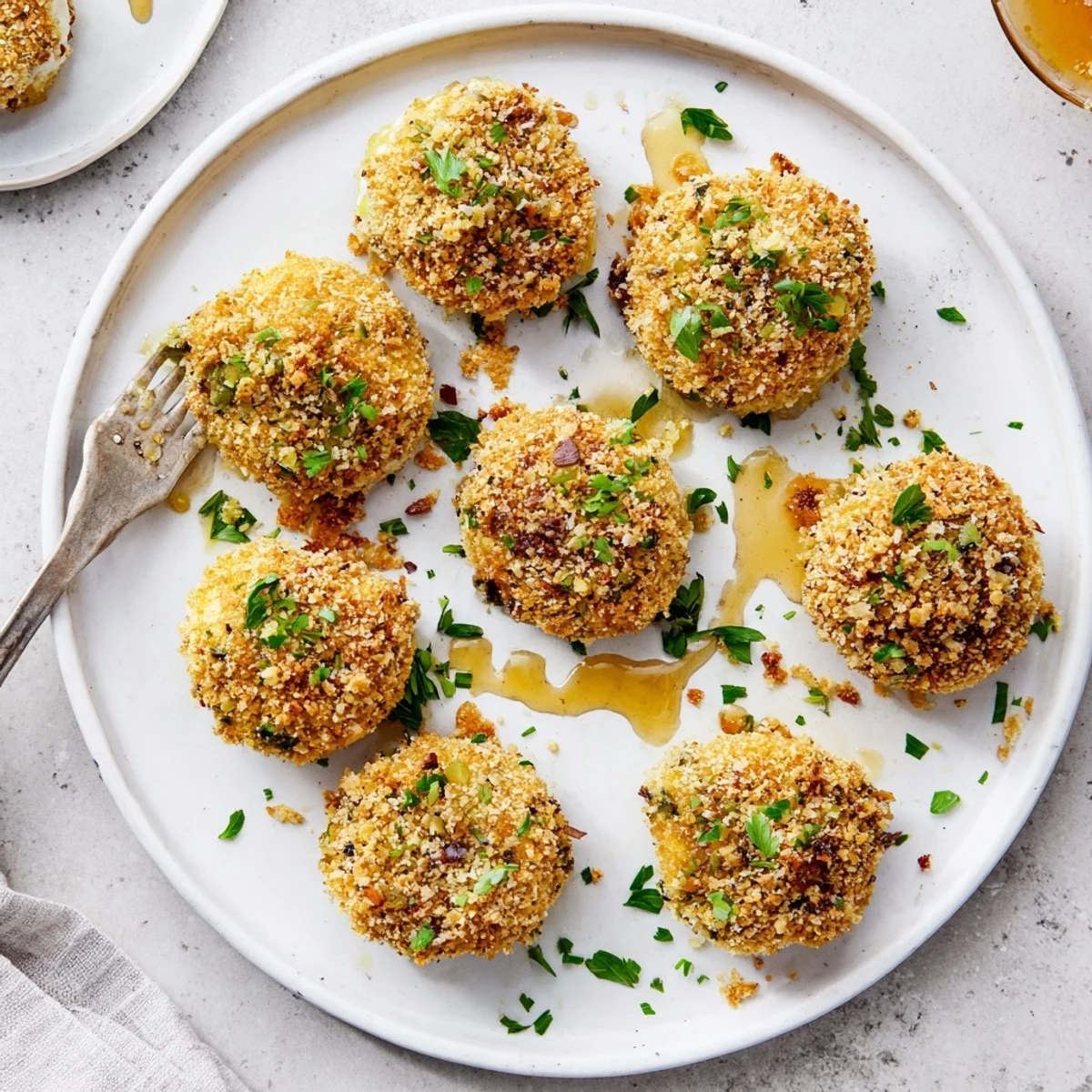
- Carefully lower three or four medallions into the hot oil and fry for one to two minutes per side until they're golden brown and crisp, then transfer them to paper towels to drain.
 Save
Save My sister claimed she didn't even like goat cheese until she tried these warm from the skillet, and now she requests them every time she visits, often with specific instructions about the honey drizzle ratio.
Make Ahead Magic
You can coat the goat cheese medallions completely and refrigerate them on a parchment-lined sheet for up to four hours before frying, which is genuinely helpful when you're hosting and want to actually talk to your guests instead of hovering over the stove.
Serving Ideas
These are exceptional on their own, but I've also discovered they transform a simple green salad into something restaurant-worthy when placed warm on top of mixed greens with a balsamic vinaigrette. They pair beautifully with crisp white wines or lighter beers.
Variations That Work
Sometimes I swap pretzels for crushed pistachios when I want something more elegant, and the subtle nutty flavor works surprisingly well with the tangy cheese. You can also add a teaspoon of everything bagel seasoning to the pretzel crumbs for an extra savory punch.
- Try panko breadcrumbs mixed with herbs if pretzels aren't your thing
- A pinch of smoked paprika in the flour adds a lovely subtle warmth
- Serve with fig jam instead of honey for a more sophisticated sweet note
 Save
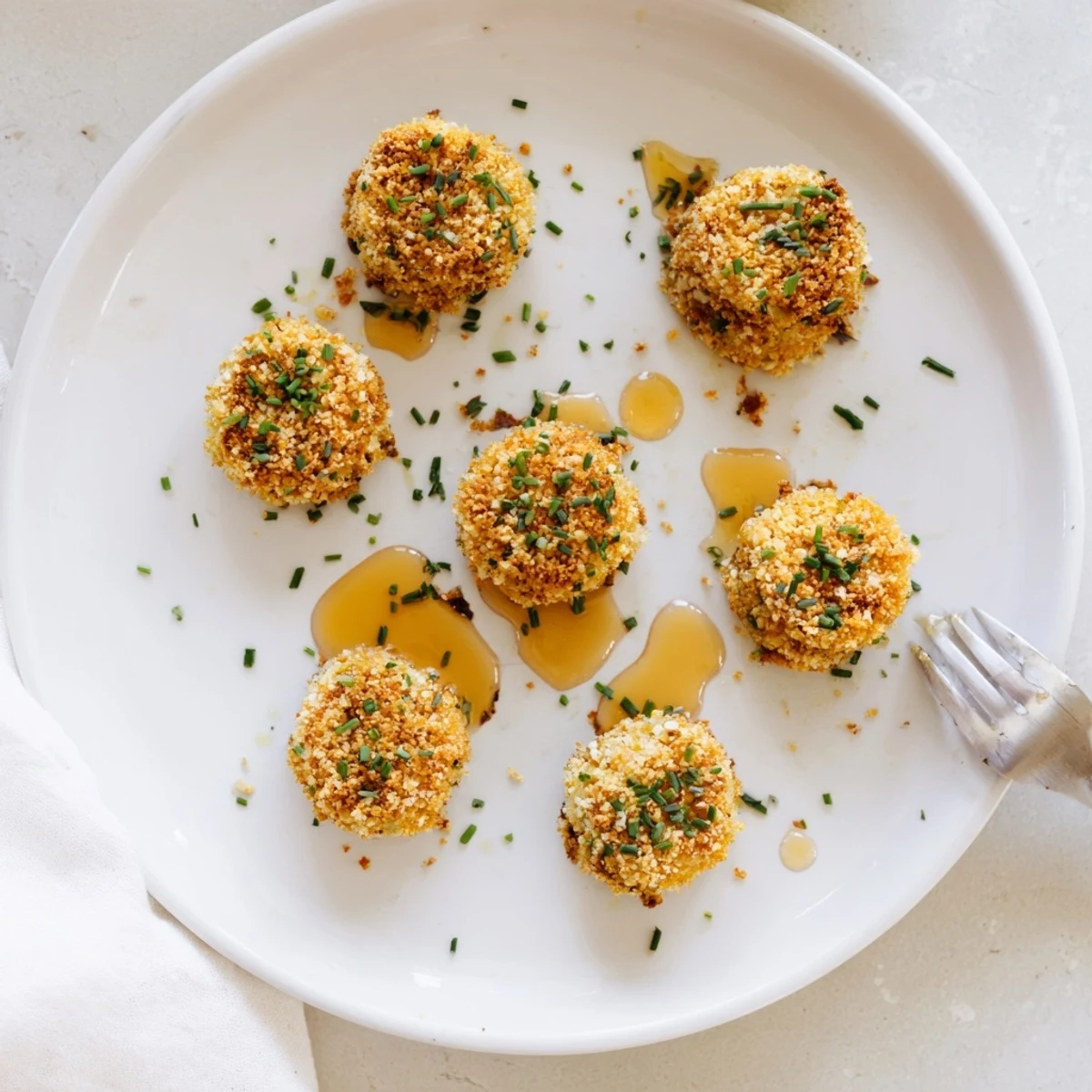
Save These have become my go-to when I want to serve something that feels impressive but requires actual effort that matches the reaction they get, which is always worth it.
Recipe FAQs
- → Can I make these ahead of time?
-
Prepare the coated medallions up to 4 hours ahead and refrigerate. Fry just before serving for optimal crispness. Leftovers can be reheated in a 375°F oven for 5-8 minutes.
- → What type of pretzels work best?
-
Standard salted pretzel sticks or twists crushed finely create the best texture. Unsalted pretzels work if you prefer less sodium. Avoid pretzel nuggets as they don't crush evenly.
- → Can I bake instead of fry?
-
Baking at 400°F for 12-15 minutes produces a lighter version, though the crust won't be quite as crunchy. Brush with oil before baking and flip halfway through for even browning.
- → How do I prevent the cheese from melting too much?
-
Keep the goat cheese very cold throughout preparation. Refrigerate after coating and work quickly when frying. The 15-minute chilling step is crucial for structure.
- → What sauces pair well with these medallions?
-
Honey, balsamic glaze, or fig preserves complement the salty exterior. Apricot jam, spicy aioli, or herb-infused honey also make excellent dipping options.
- → Can I use different cheese?
-
Blue cheese, Brie, or halloumi work with this method. Adjust frying time as softer cheeses may need less time. Goat cheese provides the best balance of tang and structure.