
 Save
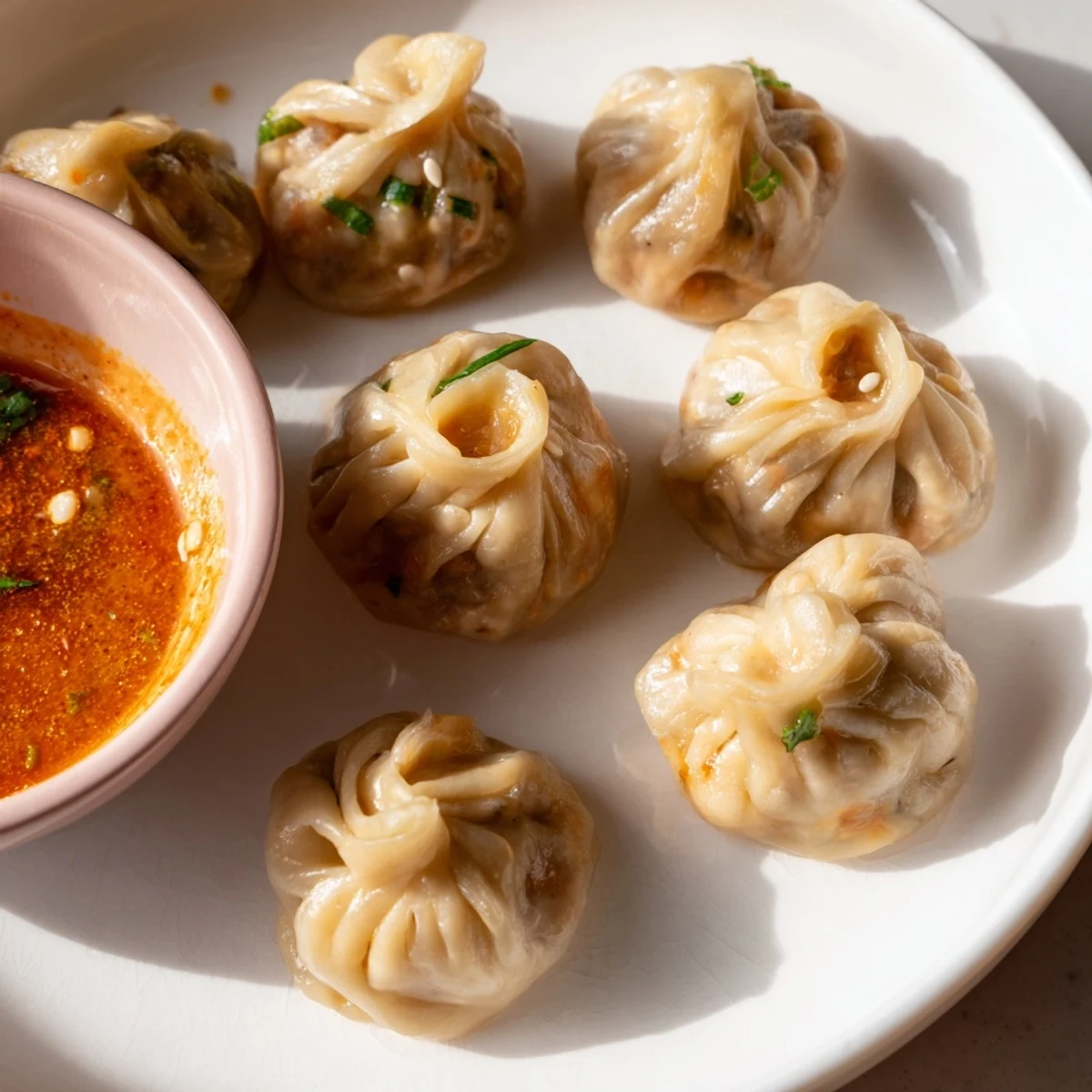
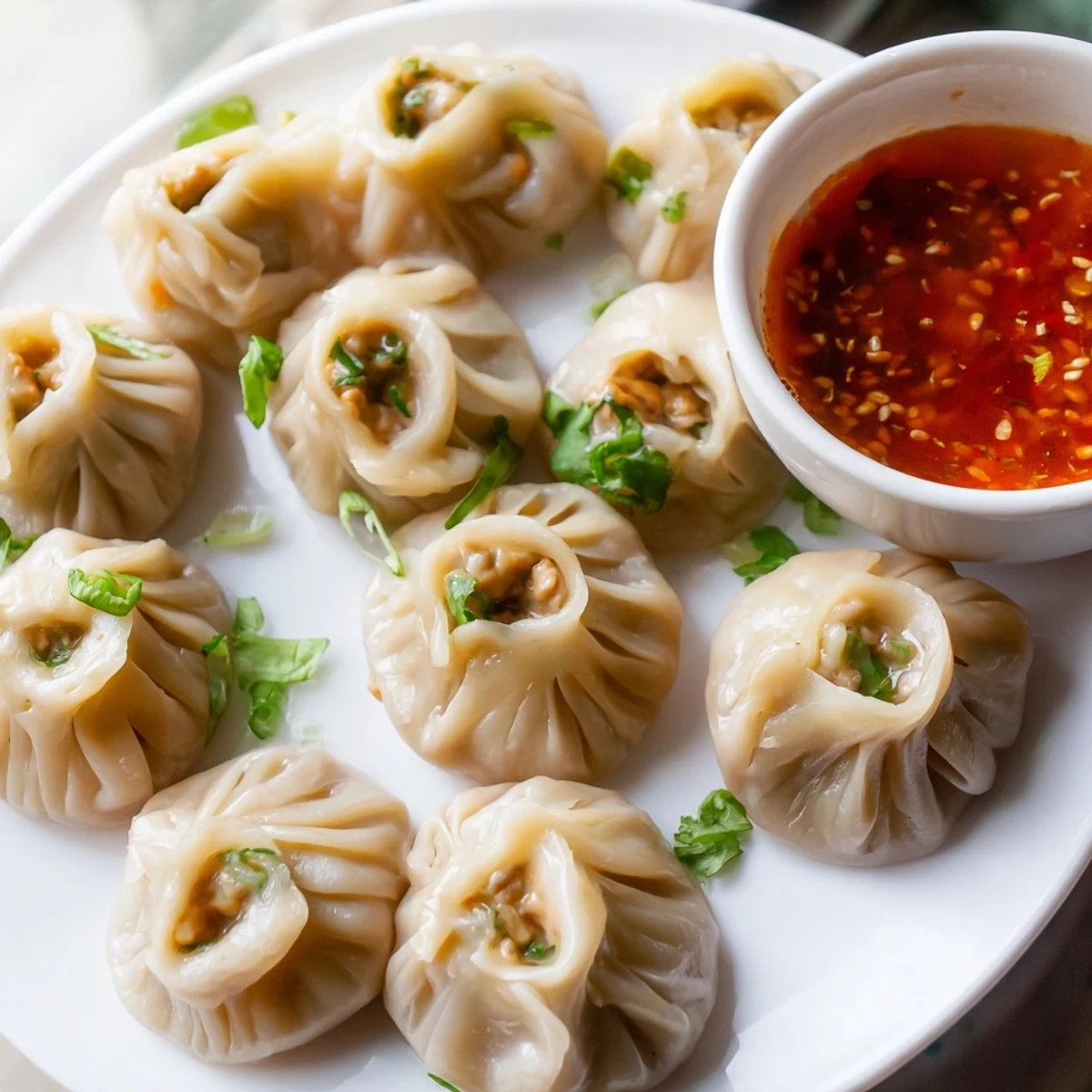
Save Master the art of crafting authentic Nepali momo with this detailed guide to creating perfectly pleated, juicy steamed dumplings. Learn the secrets of achieving silky-smooth dough that wrappers delicate fillings of seasoned meat or fresh vegetables. The process involves kneading a simple flour dough until elastic, preparing aromatic fillings with garlic, ginger, cilantro, and traditional Himalayan spices, then mastering the distinctive pleating technique that seals in all those delicious juices. Steam them until translucent and tender, then pair with a fiery charred tomato sauce brightened with sesame seeds and fresh herbs. These versatile dumplings accommodate both meat lovers and vegetarians, freeze beautifully for future meals, and bring the authentic taste of Himalayan street food directly to your kitchen table.
The steam curling up from my bamboo steamer still takes me back to a tiny kitchen in Kathmandu where I first learned to fold momos. My host mother laughed as my clumsy attempts produced twisted, lopsided dumplings, but she taught me that practice makes perfect and even ugly momos taste delicious. Now when I make these, I can almost hear the busy streets of Nepal outside my window.
Last winter during a snowstorm, I spent an entire afternoon teaching my roommate how to pleat the dough. We made sixty momos, burning our fingers on the steamer but laughing through every mistake. That night, huddled around the table with steam rising between us, I realized momos taste best when shared with people you love.
Ingredients
- All purpose flour: Creates the perfect tender yet sturdy wrapper that holds together during steaming
- Ground meat: Chicken stays juicy but pork and beef work beautifully for richer flavor
- Fresh ginger and garlic: These aromatics are non negotiable for authentic momo flavor
- Cilantro and green onions: Fresh herbs bring brightness that balances the warm spices
- Soy sauce: Adds essential umami and salt to the filling mixture
- Tomatoes for chutney: Charring them over a flame adds a smoky depth that blending alone cannot achieve
Instructions
- Make the dough first:
- Combine flour and salt in a large bowl, gradually adding water until you have a smooth, elastic dough that bounces back when pressed. Let it rest covered for at least 30 minutes so the gluten relaxes and becomes easier to roll.
- Mix your filling:
- Combine your chosen protein with all the aromatics, spices, and fresh herbs. Mix thoroughly with your hands until everything is evenly distributed and the mixture develops a slightly sticky texture that will hold together inside the dumplings.
- Roll and wrap:
- Divide dough into 24 small balls and roll each into a thin circle about 3 inches across. Place a tablespoon of filling in the center and fold the edges together, creating small pleats as you work around the circle until the dumpling is sealed tight.
- Steam them perfectly:
- Arrange your momos in a lightly oiled steamer, making sure they do not touch each other. Steam for 10 to 12 minutes until the dough becomes translucent and the filling is cooked through.
- Blend the chutney:
- Char your tomatoes until the skins blister and blacken, then peel and blend with garlic, ginger, chilies, sesame seeds, cilantro, and lime juice until you have a smooth, spicy sauce.
 Save
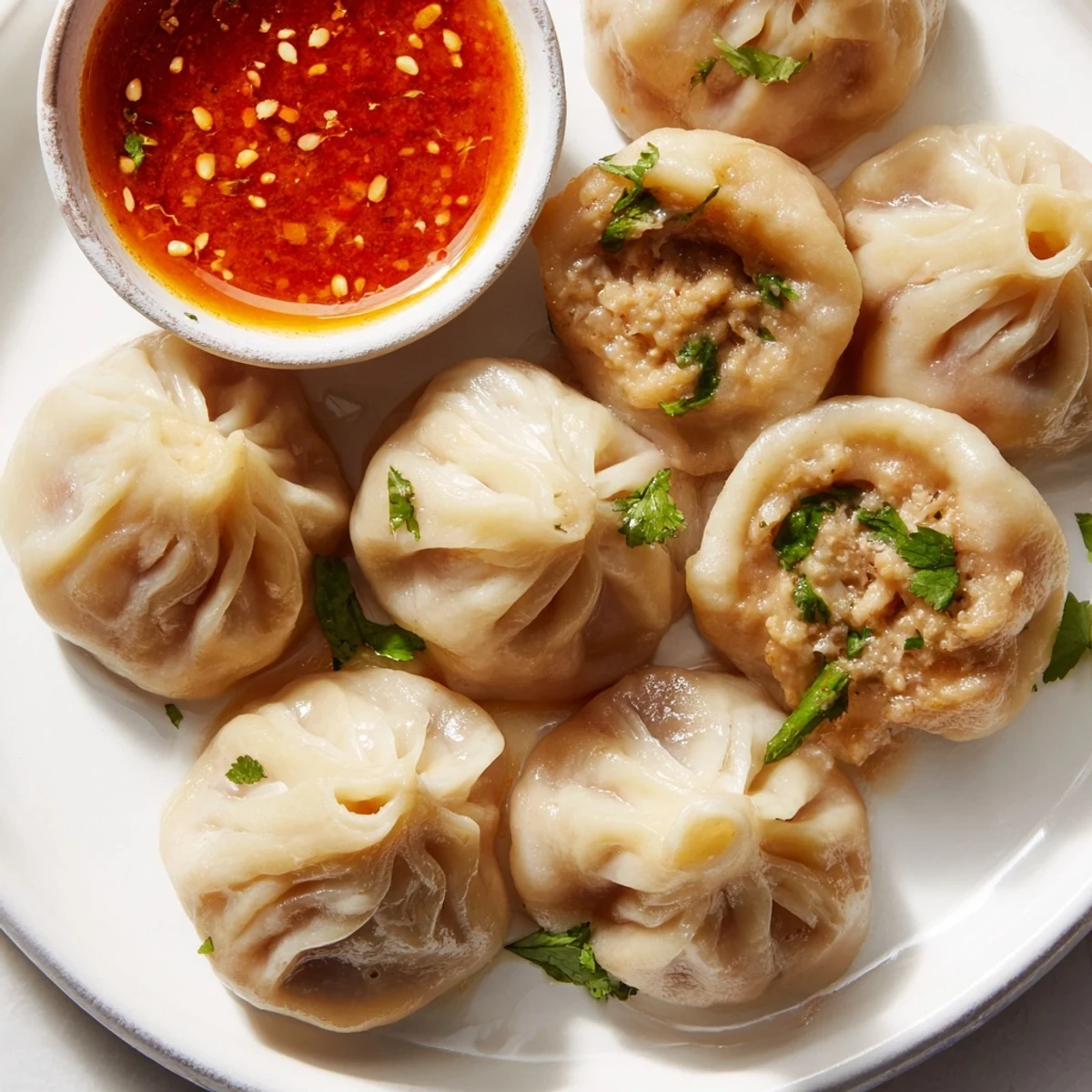
Save My grandmother once told me that food made with hands carries love in every bite, and I understand that completely when making momos. The rhythm of mixing, rolling, and folding becomes almost meditative, and the first bite of a freshly steamed dumpling brings everyone to the table.
The Secret To Juicy Momos
After years of making momos, I discovered that adding a tiny cube of butter inside each dumpling before sealing creates an explosion of richness when you bite into it. The butter melts during steaming and keeps the filling incredibly moist.
Freezing For Later
I always double this recipe and freeze half on a baking sheet before transferring to bags. They steam up perfectly from frozen, just add two extra minutes to the cooking time. Having homemade momos ready on busy weeknights feels like a gift to my future self.
Getting The Fold Right
The pleating technique takes practice but do not stress about perfection. Some of my best tasting momos have been the ugliest ones. Your folds will get neater with each dumpling you make.
- Keep a small bowl of water nearby to moisten edges if they will not stick
- The filling should not touch the edges or your momos will burst open
- Work with one wrapper at a time and keep the rest covered with a damp towel
 Save
Save These momos have become my go to comfort food, whether I am celebrating good news or needing a warm hug on a difficult day. I hope they bring as much joy to your table as they have to mine.
Recipe FAQs
- → What makes Nepali momo different from other dumplings?
-
Nepali momo stand out through their distinctive pleating technique that creates a thick, chewy bottom while keeping the top delicate and translucent. The filling features Himalayan spices like cumin and coriander blended with fresh ginger, garlic, and cilantro. Unlike many Asian dumplings, momo are always steamed never fried and traditionally served with a charred tomato-based chutney rather than soy-vinegar dips. The dough uses just flour and water, creating a tender wrapper that beautifully showcases the juicy filling within.
- → Can I freeze uncooked momo for later?
-
Absolutely! Arrange uncooked momo in a single layer on a baking sheet lined with parchment paper. Freeze until solid about 2 hours then transfer to freezer bags. They will keep for up to 2 months. Steam frozen momo directly from the freezer adding 3-4 extra minutes to the cooking time. Do not thaw first as this makes the wrappers soggy. This makes momo perfect for meal prep you can have fresh-tasting dumplings ready in under 15 minutes on busy weeknights.
- → How do I prevent momo from becoming dry?
-
The key to juicy momo lies in two techniques. First do not overcook steam just until the dough becomes translucent and the filling feels hot when pierced about 10-12 minutes. Second ensure your filling contains enough moisture from the vegetables and a small amount of oil. Some traditional cooks even place a tiny cube of butter inside each momo before sealing which melts during steaming creating a burst of rich flavor. Serve immediately with the dipping sauce to maintain moisture.
- → What can I serve with momo besides tomato chutney?
-
While the classic charred tomato sauce is traditional momo pair beautifully with pickled vegetables like radish cucumber or carrot for a refreshing contrast that cuts through the rich filling. A simple spicy soy-vinegar dip works well too. For a complete Nepali meal serve alongside aloo dum (spiced potato curry) crisp vegetable fritters called pakora or a fresh cucumber salad with yogurt dressing. Hot chai or chilled lassi makes the perfect beverage accompaniment to balance the spices.
- → Is there a trick to perfect pleating?
-
Pleasing pleats come with practice but start with keeping your dough circles thin about 3 inches diameter with slightly thicker centers. Hold one filled circle in your left hand and use your right thumb to create small folds while your left thumb gently pushes the filling toward the center. Work around the edge making 6-8 even folds then twist to seal. Don't worry about perfection momo taste delicious regardless of appearance. If pleating proves too challenging simply press edges together firmly and crimp with a fork for a rustic look.
- → Can I make momo without a traditional steamer?
-
Yes! Several household items work well for steaming momo. Place a heatproof bowl upside down in a large pot set a plate on top and add water to just below the plate. Cover tightly with a lid. Alternatively use a colander set over a pot of boiling water as long as the holes are small enough that dumplings won't fall through. Electric rice cookers with a steaming basket attachment also work perfectly. Line whatever steamer you use with cabbage leaves or parchment paper to prevent sticking.