
 Save
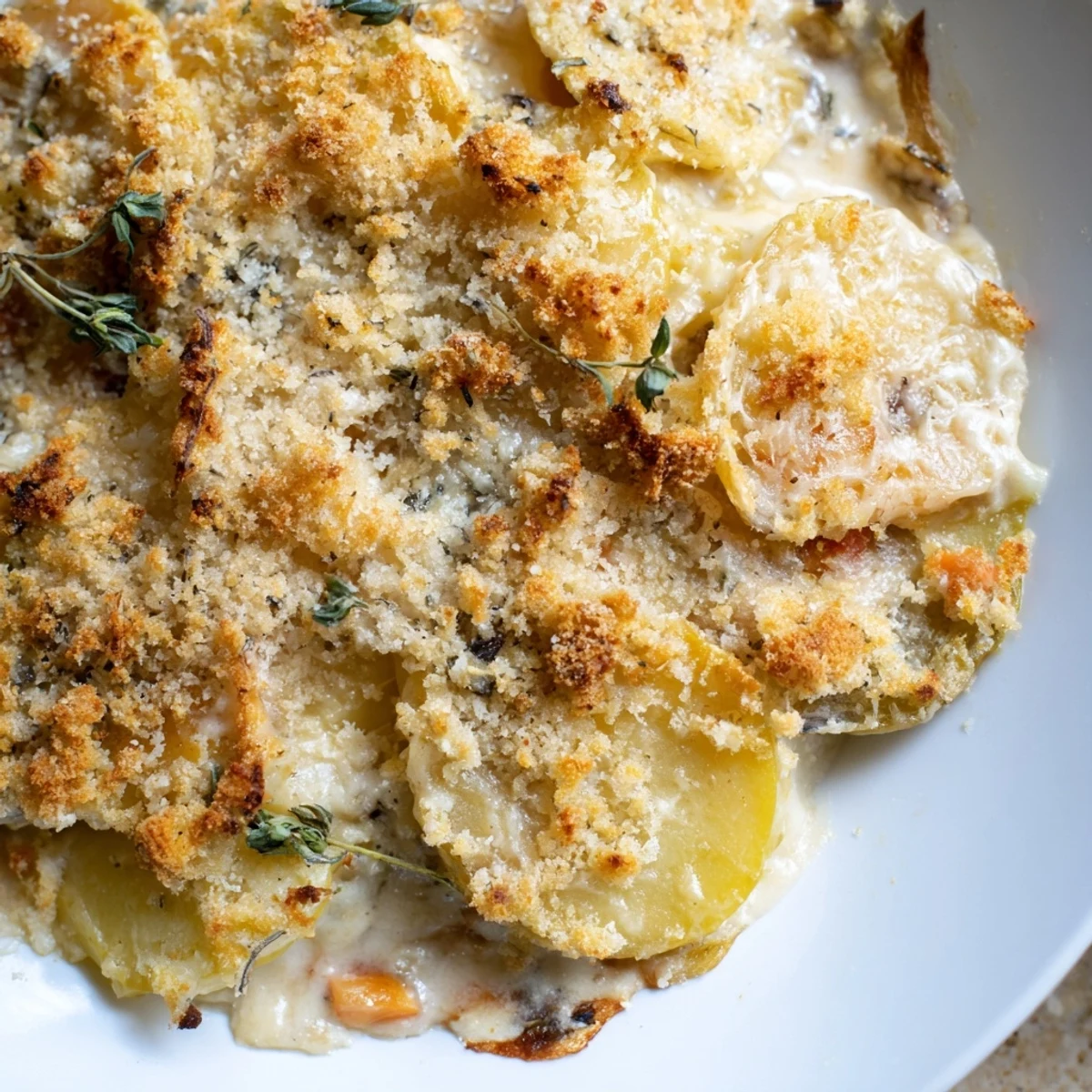
Save This comforting gratin combines thinly sliced winter vegetables—potatoes, parsnips, carrots, rutabaga, and leeks—layered with a velvety homemade béchamel sauce seasoned with nutmeg. The dish gets its rich character from generous amounts of grated Gruyere and Parmesan, while a buttery breadcrumb topping adds irresistible crunch. After an hour in the oven, the vegetables become meltingly tender, the cheese bubbles and browns, and the whole dish emerges as a golden, fragrant masterpiece. Perfect as a hearty main for vegetarians or an impressive side for holiday gatherings.
The kitchen was bitterly cold that January, the kind where you can see your breath in the air before the oven kicks on. I had a CSA box overflowing with root vegetables and no idea what to do with all those knobby parsnips and rutabaga. This gratin became my salvation, transforming humble winter produce into something that felt like a warm embrace after a long day in the snow.
I first made this for a dinner party during a snowstorm, half expecting my friends to cancel last minute. Instead they arrived with rosy cheeks and empty stomachs, and we stood around the oven watching the cheese bubble through the foil window. Every time I make it now, I think of how the house smelled that night, like butter and comfort and friendship.
Ingredients
- Yukon Gold potatoes: Their waxy texture holds up better than Russets, keeping distinct layers instead of melting into mush
- Parsnips and carrots: These add natural sweetness that balances the rich sauce, so do not skip them
- Rutabaga: Peel it thickly, the outer layer can be bitter and tough even after baking
- Leek: Soak the sliced leek in water to remove hidden grit, then pat completely dry
- Unsalted butter: Using unsalted lets you control the seasoning, especially important with salty cheese
- All purpose flour: This creates the roux base that thickens your sauce into velvety perfection
- Whole milk: The milkfat creates that luxurious restaurant texture you cannot get with low fat versions
- Freshly grated nutmeg: A pinch adds warmth that makes people ask what your secret ingredient is
- Gruyere cheese: Worth every penny, its nutty flavor is what makes this taste French and sophisticated
- Parmesan cheese: Adds a salty bite that cuts through the creaminess
- Fresh breadcrumbs: Make them from day old bread for the crunchiest topping that stays crisp
- Fresh thyme: The woodsy aroma bridges the gap between earthy vegetables and rich cheese
Instructions
- Get your oven ready:
- Preheat to 375°F and butter your baking dish thoroughly, especially the corners where cheese likes to stick
- Prep your vegetables:
- Slice everything as thin as you can, a mandoline helps but a steady knife works too
- Make the roux:
- Melt butter over medium heat, whisk in flour for one minute until it smells nutty and pale
- Create the sauce:
- Slowly pour in milk while whisking, keep stirring until it coats the back of a spoon
- Season perfectly:
- Add nutmeg, salt, and pepper, taste and adjust before removing from heat
- First layer:
- Arrange half the vegetables overlapping slightly, pour half the sauce over them, scatter half the Gruyere
- Second layer:
- Repeat with remaining vegetables and sauce, top with Gruyere and all the Parmesan
- Add the crunch:
- Mix breadcrumbs with melted butter and thyme, sprinkle evenly like you are tucking it in for a nap
- Bake covered:
- Foil for 35 minutes lets steam cook the vegetables through without drying out the top
- Golden finish:
- Uncover and bake 15 more minutes until the cheese bubbles and turns golden brown in spots
- Wait patiently:
- Letting it rest for 10 minutes seems impossible but helps the sauce set so servings hold their shape
 Save
Save My mother in law still talks about the first time she tasted this, asking three times what was in the sauce because she could not believe something so simple could taste so complex. It has become our winter solstice tradition, the dish that signals the real beginning of the holiday season.
Make It Ahead
You can assemble this entire gratin up to 24 hours before baking, just wrap it tightly and keep it in the refrigerator. The vegetables actually benefit from sitting in the sauce, absorbing flavor as they wait. Add about 10 extra minutes to the covered baking time if it goes into the oven cold from the fridge.
Cheese Choices
While Gruyere is traditional, I have made excellent versions with aged Gouda or Comté when the budget was tight. The key is choosing a cheese that melts smoothly and has some pronounced flavor. Avoid fresh mozzarella, it is too mild and turns rubbery when baked this long.
Serving Suggestions
This gratin shines alongside a simple green salad with sharp vinaigrette to cut the richness. I have also served it as a main dish with roasted chicken or tucked it next to a holiday ham. A glass of the same white wine you used to cook with, maybe a Chardonnay, pulls everything together beautifully.
- Let it rest longer than you think, the sauce needs time to thicken up
- The edges get the most crisped and flavorful, save those pieces for yourself
- This is one of those dishes that tastes even better at room temperature
 Save
Save There is something deeply satisfying about taking the most unglamorous vegetables from the bottom of the crisper drawer and turning them into something people ask for by name. This is the kind of cooking that feels like magic, even though it is just patience and cheese.
Recipe FAQs
- → What vegetables work best in this gratin?
-
Yukon Gold potatoes, parsnips, carrots, rutabaga, and leeks create a wonderful flavor and texture combination. The potatoes provide structure, parsnips add subtle sweetness, carrots contribute color and earthiness, while rutabaga offers a pleasant peppery note. Feel free to substitute celeriac or sweet potato based on preference.
- → Can I prepare this gratin ahead of time?
-
Absolutely. Assemble the entire gratin up to 24 hours in advance, cover tightly, and refrigerate. When ready to bake, let it sit at room temperature for 30 minutes, then bake as directed. You may need an additional 5-10 minutes if baking cold from the refrigerator.
- → How do I know when the vegetables are fully cooked?
-
Insert a paring knife or fork through the center of the gratin—it should slide through the layers with no resistance. The top should be deeply golden brown, and you'll see the sauce bubbling up around the edges. The 10-minute resting period is crucial as it allows the vegetables to finish cooking and the sauce to set slightly.
- → Can I make this gluten-free?
-
Yes, substitute the all-purpose flour with a 1:1 gluten-free flour blend for the roux, and use gluten-free breadcrumbs or crushed gluten-free crackers for the topping. The technique remains exactly the same, and the results will be equally delicious.
- → What pairs well with winter vegetable gratin?
-
This gratin shines alongside roasted meats like pork loin or chicken, making it ideal for Sunday dinner. For a vegetarian meal, serve with a crisp green salad dressed with vinaigrette. A chilled Chardonnay or Sauvignon Blanc complements the rich, creamy elements beautifully, while the vegetable sweetness pairs nicely with the wine's acidity.
- → Why should I let the gratin rest before serving?
-
The resting period allows the hot, bubbling sauce to thicken slightly, which helps the layers hold together when you serve it. Cutting too soon will cause the slices to slide apart. Ten minutes of resting also brings the temperature down to a more enjoyable eating level and allows the flavors to meld together.