
 Save
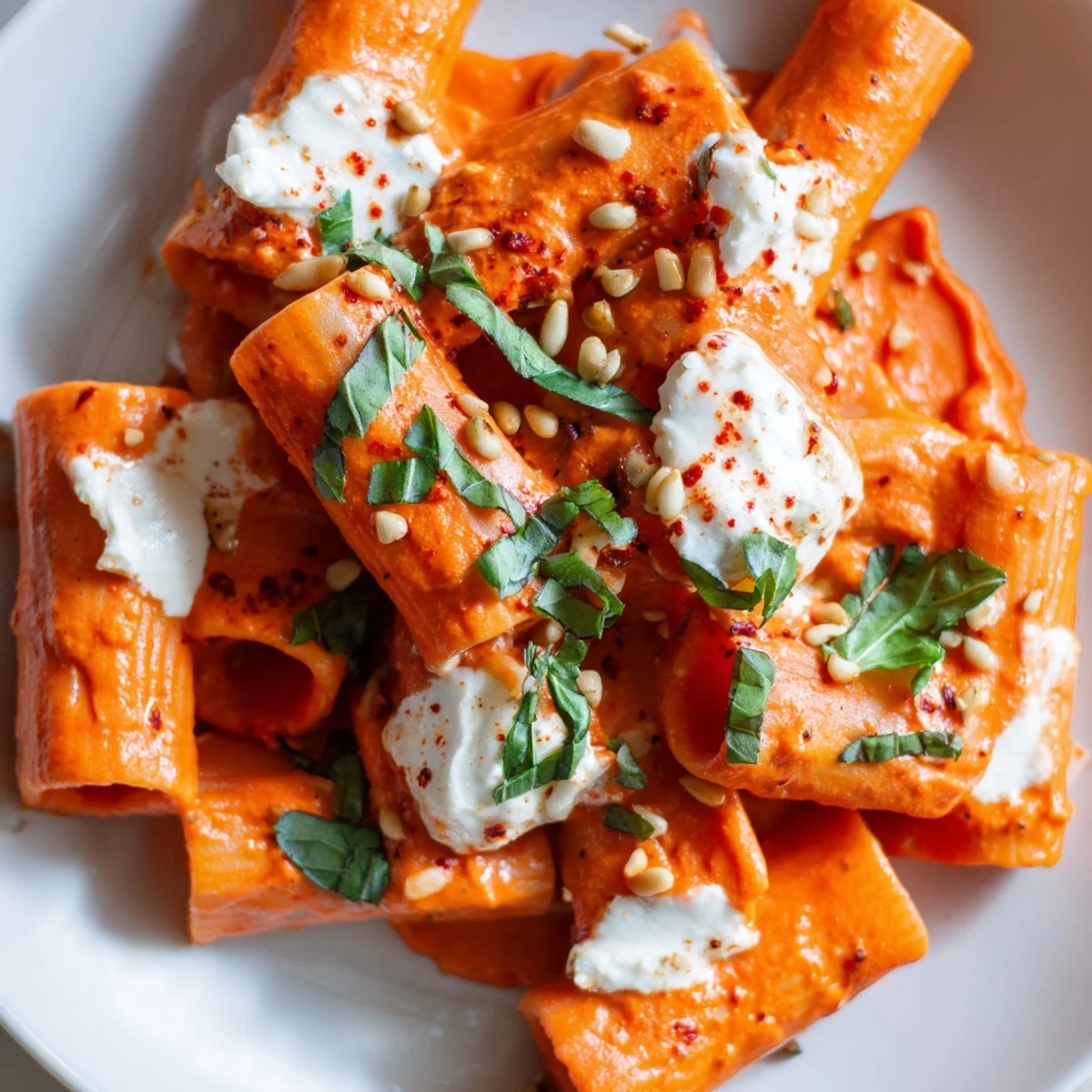
Save This vibrant dish creates a rich sauce by blending roasted red peppers with sautéed onions, garlic, and smoked paprika. Whisk tangy goat cheese and heavy cream into the purée until smooth, then toss with al dente penne. Finish with fresh basil and toasted pine nuts for a Mediterranean-inspired meal.
There's a particular Wednesday evening I can't forget, when I opened the fridge to find three roasted red peppers from the farmers market staring back at me and absolutely nothing else that felt exciting. I'd been craving something warm and substantial, but not complicated—something that could come together while I listened to music and unwound. That's when I blended those peppers into something silky, stirred in goat cheese, and suddenly had a sauce so vibrant it looked like it belonged on a gallery wall. Twenty-five minutes later, I understood why this simple combination has been making people happy in kitchens across the Mediterranean for so long.
I made this for my sister on a rainy Sunday, and she sat at the counter watching steam rise from the pasta water while I worked, asking questions about why the sauce was so red and where the creaminess came from when there was barely any cream involved. She tasted it and got quiet for a moment—the kind of quiet that means something landed just right. She's made it three times since, and once texted me a photo of her version with the basil scattered across the top like confetti, asking if hers looked as good as mine. It did.
Ingredients
- Penne or rigatoni, 350 g (12 oz): Use a good quality pasta that holds sauce in its ridges—the shape matters more than you'd think, and cooking it al dente keeps it from turning mushy once it hits the warm sauce.
- Roasted red bell peppers, 3 large: Buy them roasted and jarred if you're short on time, but if you roast your own, the flavor deepens and the skins peel away like silk—don't skip this step if you can manage it.
- Kosher salt, 1 tbsp for pasta water: This isn't optional; it seasons the pasta from the inside out and makes a real difference in the final dish.
- Olive oil, 2 tbsp: Good olive oil carries the flavor of everything it touches, so use something you'd actually enjoy tasting on its own.
- Yellow onion, 1 medium, diced: Dicing it small means it softens quickly and distributes flavor evenly throughout the sauce.
- Garlic cloves, 3, minced: Mince these finely so they release their aroma and bloom properly in the hot oil—whole cloves would feel harsh against the delicate pepper and cheese flavors.
- Crushed red pepper flakes, 1/2 tsp (optional): This adds a whisper of heat that makes the sweetness of the peppers pop, but leave it out if spice isn't your thing.
- Smoked paprika, 1/2 tsp: This tiny amount gives depth and a subtle smokiness that tricks your brain into thinking the peppers were roasted over fire.
- Soft goat cheese, 80 g (3 oz): Room temperature goat cheese melts into the sauce without becoming grainy—take it out of the fridge while you cook the pasta.
- Heavy cream, 60 ml (1/4 cup): This seems like a small amount, but it works with the goat cheese to create a silky, cohesive sauce that clings to every strand.
- Salt and black pepper, to taste: Season gradually and taste as you go; the goat cheese adds saltiness, so you might need less than you expect.
- Fresh basil, 2 tbsp chopped: Tear it by hand rather than cutting it—the bruising from a knife releases bitterness that you don't want at the last moment.
- Toasted pine nuts, 25 g (1/4 cup): Buy them already toasted or toast them yourself in a dry skillet for two minutes, watching closely so they don't burn—they add crunch and richness that balances the creamy sauce.
- Extra crumbled goat cheese (optional): A final scatter of cheese across the top is never a mistake, especially if you love that tangy note.
Instructions
- Start the pasta:
- Fill a large pot with water, add kosher salt, and bring it to a rolling boil—you want it properly salty before the pasta goes in. Add pasta and cook according to package directions, stirring occasionally so nothing sticks.
- Build the base:
- While pasta cooks, heat olive oil in a large skillet over medium heat until it shimmers slightly. Add diced onion and let it soften for about five minutes, stirring occasionally, until it turns translucent and smells sweet—this is the foundation everything else rests on.
- Wake up the spices:
- Bloom the seasonings:
- Add minced garlic, red pepper flakes, and smoked paprika to the softened onion and stir constantly for about one minute—you'll smell the spices open up and release their full character. This quick cooking prevents the garlic from tasting raw or bitter.
- Add the peppers:
- Pour in the roasted red peppers and let them warm through for two to three minutes, stirring gently so they break down slightly and distribute their color throughout the oil. The mixture will start to look like a rustic sauce already.
- Blend into silk:
- Transfer everything to a blender (or use an immersion blender right in the skillet) and purée until completely smooth—this is where the magic happens, where chunky peppers transform into something luxurious and restaurant-quality. Taste the sauce at this point; it should taste like roasted peppers and garlic, nothing more.
- Add richness:
- Return the puréed sauce to the skillet over low heat, then crumble in the goat cheese and pour in the heavy cream, stirring gently until the cheese melts and the sauce becomes silky and cohesive. If lumps form, lower the heat even more and be patient—forcing it will make the cream separate.
- Combine everything:
- Reserve about 120 ml of pasta water before draining the pasta, then add the drained pasta directly to the sauce and toss gently but thoroughly, coating every piece. If the sauce seems too thick or clings heavily, add pasta water a splash at a time until it coats the pasta with a creamy sheen.
- Serve right away:
- Divide into bowls or plates immediately while everything is still hot and steaming. Scatter fresh basil, toasted pine nuts, and extra goat cheese across the top, and serve without hesitation.
 Save
Save This dish somehow became the thing I make when I want to feel accomplished without much effort, and the thing people ask for when they come to my kitchen. There's something about watching someone's face when they taste how that tangy cheese plays against the sweet peppers—it's a small moment, but it matters.
Why Roasted Peppers Change Everything
Raw peppers are bright and crisp, but roasting them coaxes out a deep, concentrated sweetness and gives the skin a slight char that adds complexity. When you blend roasted peppers into a sauce, they become almost velvety—nothing like the texture you'd get from fresh peppers, which would taste sharp and slightly watery. I learned this lesson the hard way by trying to make this dish with raw peppers once, and the sauce tasted thin and one-dimensional. Now I always use roasted, and the difference is night and day.
The Goat Cheese Secret
Goat cheese does something special when it melts into a warm sauce—it adds richness and a subtle tartness that prevents the dish from feeling heavy or one-note. Unlike cream cheese or ricotta, goat cheese has personality; it doesn't just disappear and leave behind fat, it stays present in the flavor profile. The trick is to take it out of the fridge before you start cooking so it softens slightly, and to never let the sauce boil once it's added. Low heat and patience make all the difference between a silky sauce and a broken, grainy mess.
Small Touches That Make a Difference
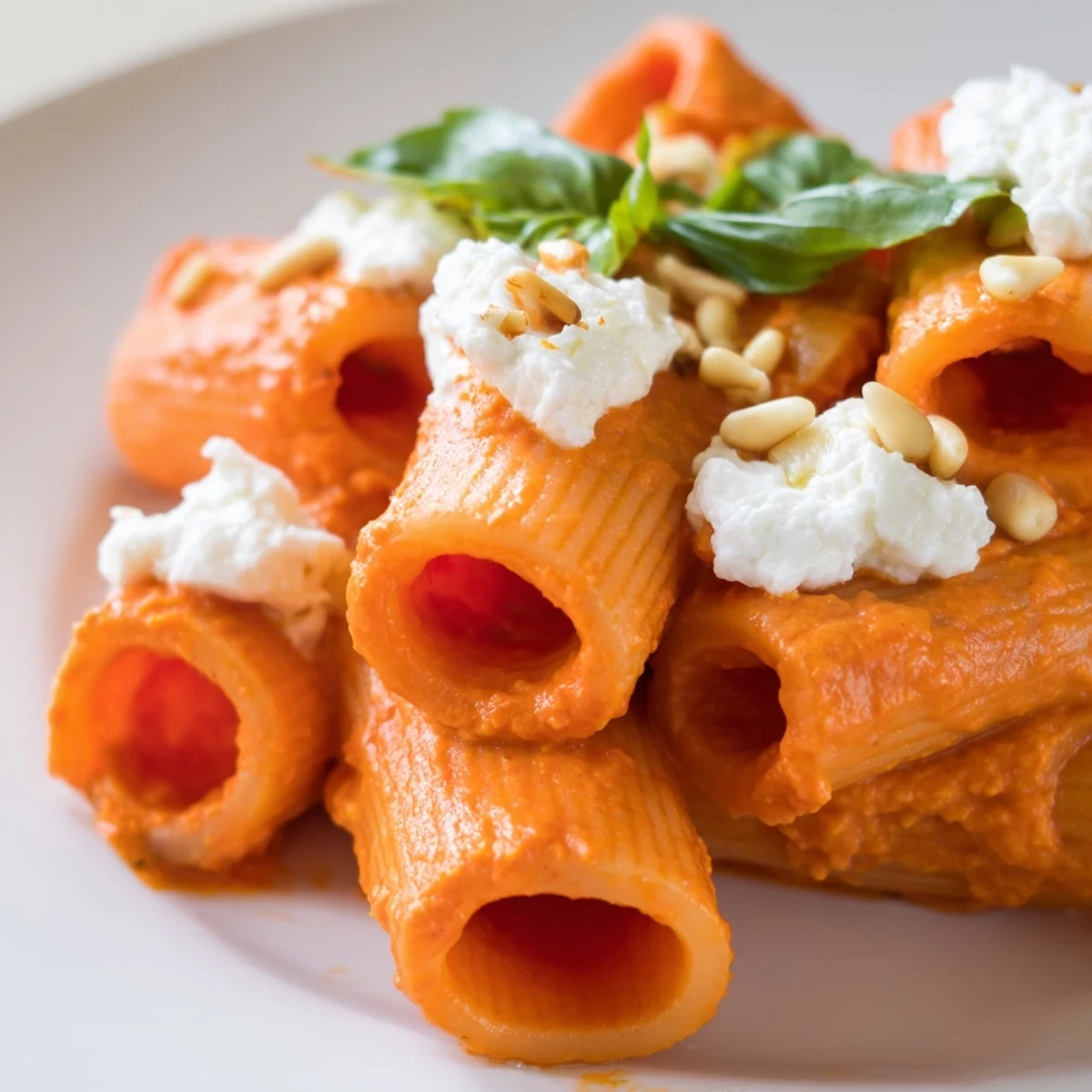
The toasted pine nuts aren't just decoration—they add a delicate crunch and a buttery richness that rounds out the soft, creamy elements of the dish. The fresh basil scattered at the end brings brightness and a hint of freshness that cuts through the richness. Even the smoked paprika, at just half a teaspoon, adds a subtle depth that makes people ask what the secret ingredient is.
- If you don't have pine nuts, walnuts or almonds work beautifully and cost less, though they're slightly more robust in flavor.
- Tearing basil by hand instead of cutting it with a knife prevents bruising and keeps the flavor clean and herbaceous.
- A crack of fresh black pepper at the end wakes up all the other flavors and reminds you they're there.
 Save
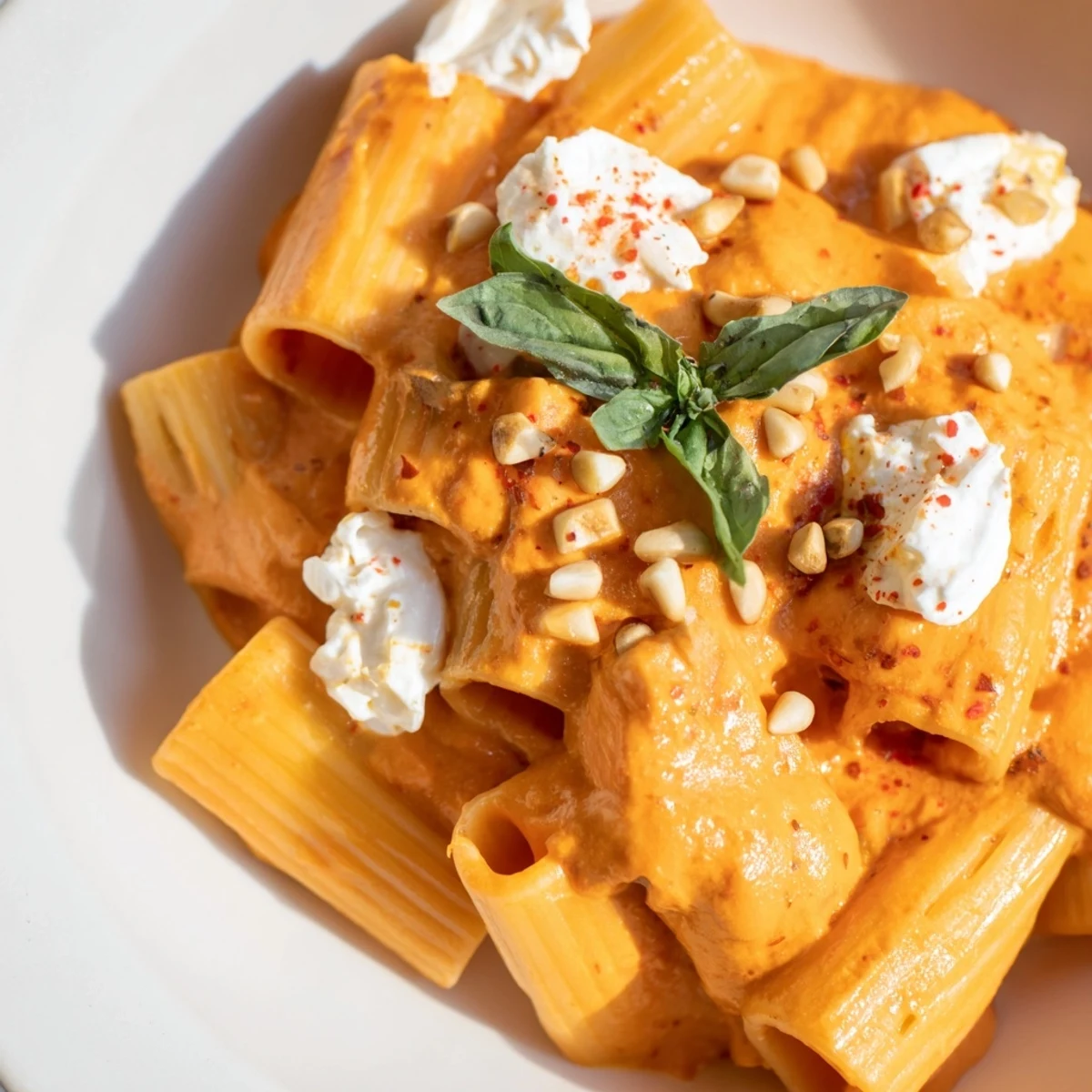
Save This is the kind of dish that reminds you why cooking matters—not because it's complicated or impressive in the traditional sense, but because something so simple and honest can taste this good. Make it for someone you want to feed well, or make it for yourself on a night when you deserve something special.
Recipe FAQs
- → Can I use jarred roasted peppers?
-
Yes, jarred roasted red peppers work well. Just ensure they are thoroughly drained to prevent the sauce from becoming too watery.
- → What pasta shapes are best?
-
Penne and rigatoni are excellent choices because their ridges trap the creamy sauce. Fusilli is another great option for coating.
- → How can I make this spicy?
-
Add the optional crushed red pepper flakes while sautéing the onions. You can increase the amount to suit your heat preference.
- → Is this suitable for meal prep?
-
Yes, it stores well in the refrigerator for up to three days. Reheat gently with a splash of water or cream to loosen the sauce.
- → Can I freeze leftovers?
-
It is best enjoyed fresh, as cream-based sauces can separate when frozen. If freezing, undercook the pasta slightly.