
 Save
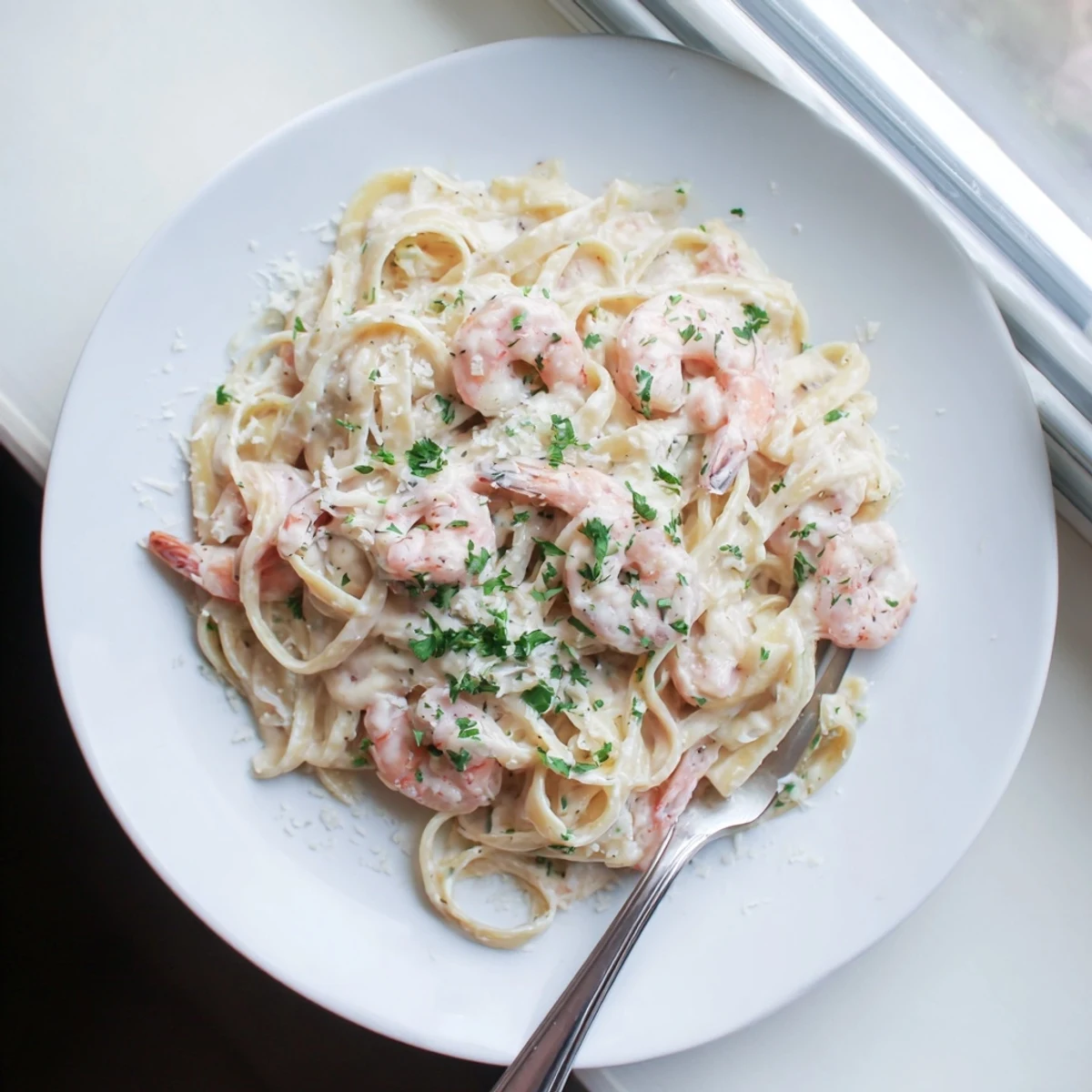
Save This satisfying pasta dish combines plump, succulent shrimp with al dente fettuccine in a velvety Parmesan-garlic cream sauce. The entire dish comes together in a single skillet, meaning the pasta cooks directly in the creamy broth, absorbing maximum flavor while cutting down on cleanup time. With just 10 minutes of prep and 20 minutes of cooking, you'll have a restaurant-worthy Italian-American classic on the table. The sauce achieves perfect consistency through a combination of heavy cream, whole milk, and chicken broth, while freshly grated Parmesan creates that signature rich, umami depth. A hint of red pepper flakes adds subtle warmth, though it's entirely optional if you prefer a milder dish.
The first time I made shrimp Alfredo, I stood over a boiling pot of pasta while simultaneously trying not to burn my garlic butter sauce in another pan. My tiny apartment kitchen had zero counter space, and I ended up splattering cream sauce everywhere while transferring pasta back and forth. That night I ate delicious food from a paper plate on my couch, surrounded by dirty dishes. I promised myself there had to be a better way.
Last winter my friend came over for dinner on a Tuesday, exhausted from work. I made this in about 30 minutes while she sat at my counter with a glass of wine, and she kept asking what smelled so incredible. We ended up lingering at the table for hours, just talking and going back for seconds.
Ingredients
- Large shrimp: Fresh or thawed shrimp make all the difference here—avoid pre-cooked since they turn rubbery when reheated
- Fettuccine: The flat noodles hold onto that rich sauce beautifully
- Butter: Unsalted lets you control the seasoning perfectly
- Heavy cream: This creates that luxurious restaurant-style texture
- Parmesan cheese: Freshly grated melts better than the pre-shredded stuff
- Whole milk: Lightens the cream just enough without sacrificing richness
- Garlic cloves: Dont be shy here—garlic makes this dish sing
- Shallot: Adds a subtle sweetness that pairs beautifully with seafood
- Chicken broth: Low sodium is key since the cheese brings plenty of salt
- Salt and pepper: Season in layers for the best flavor
- Red pepper flakes: Just a hint adds lovely warmth without overpowering
- Fresh parsley: Brightens up all that creamy richness
Instructions
- Build your flavor base:
- Melt butter in a large deep skillet over medium heat, then sauté shallot and garlic until fragrant but not browned
- Sear the shrimp:
- Cook seasoned shrimp for about 2 minutes per side until just pink, then remove them from the pan
- Create the sauce:
- Pour in broth, cream, and milk, bringing everything to a gentle simmer
- Cook the pasta:
- Add dry fettuccine right into the liquid, stirring frequently for 10-12 minutes until al dente
- Make it creamy:
- Lower heat and stir in Parmesan and red pepper flakes until melted into a luscious sauce
- Bring it together:
- Return the shrimp to the pan and toss everything for 1-2 minutes
- Finish and serve:
- Adjust seasoning if needed and sprinkle with fresh parsley before serving
 Save
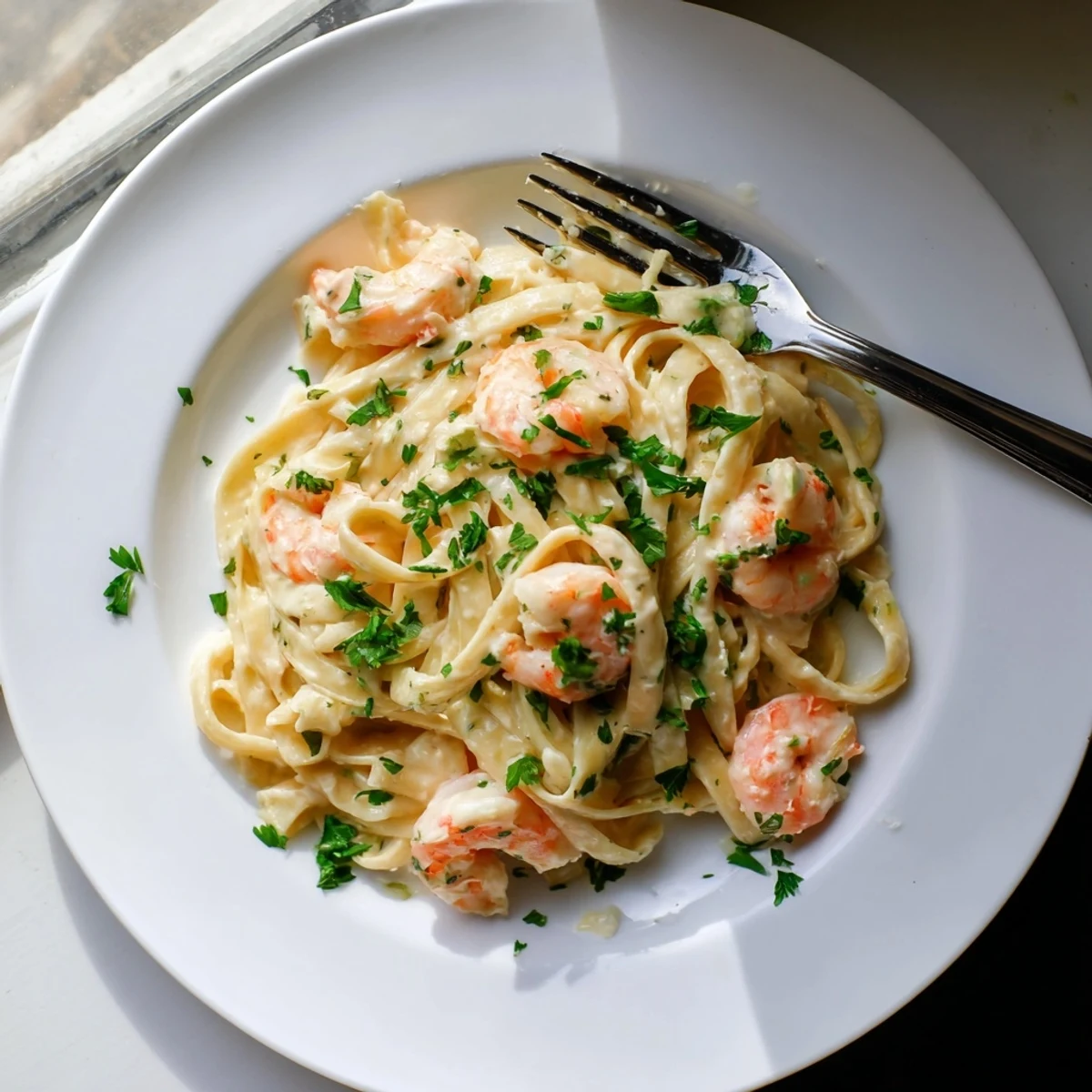
Save This recipe became my go-to for hosting because nobody believes it only took thirty minutes. Something about that creamy sauce and perfectly cooked shrimp makes people feel special, like theyre at a fancy Italian restaurant.
Making It Lighter
Sometimes I swap half-and-half for heavy cream, and honestly, barely notice the difference. The pasta still cooks beautifully in the liquid, and you save some calories without sacrificing that velvety texture.
Adding More Goodness
Sautéed mushrooms or baby spinach work wonderfully here—just add them after the garlic step before the liquids go in. They wilt down nicely and make the dish feel a bit more substantial without much extra effort.
Perfect Pairings
A crisp green salad with bright vinaigrette cuts through all that richness perfectly. A chilled Pinot Grigio or Sauvignon Blanc complements the shrimp beautifully.
- Warm crusty garlic bread for soaking up extra sauce
- Lemon wedges on the side for a bright acidic hit
- Extra Parmesan at the table because theres no such thing as too much
 Save
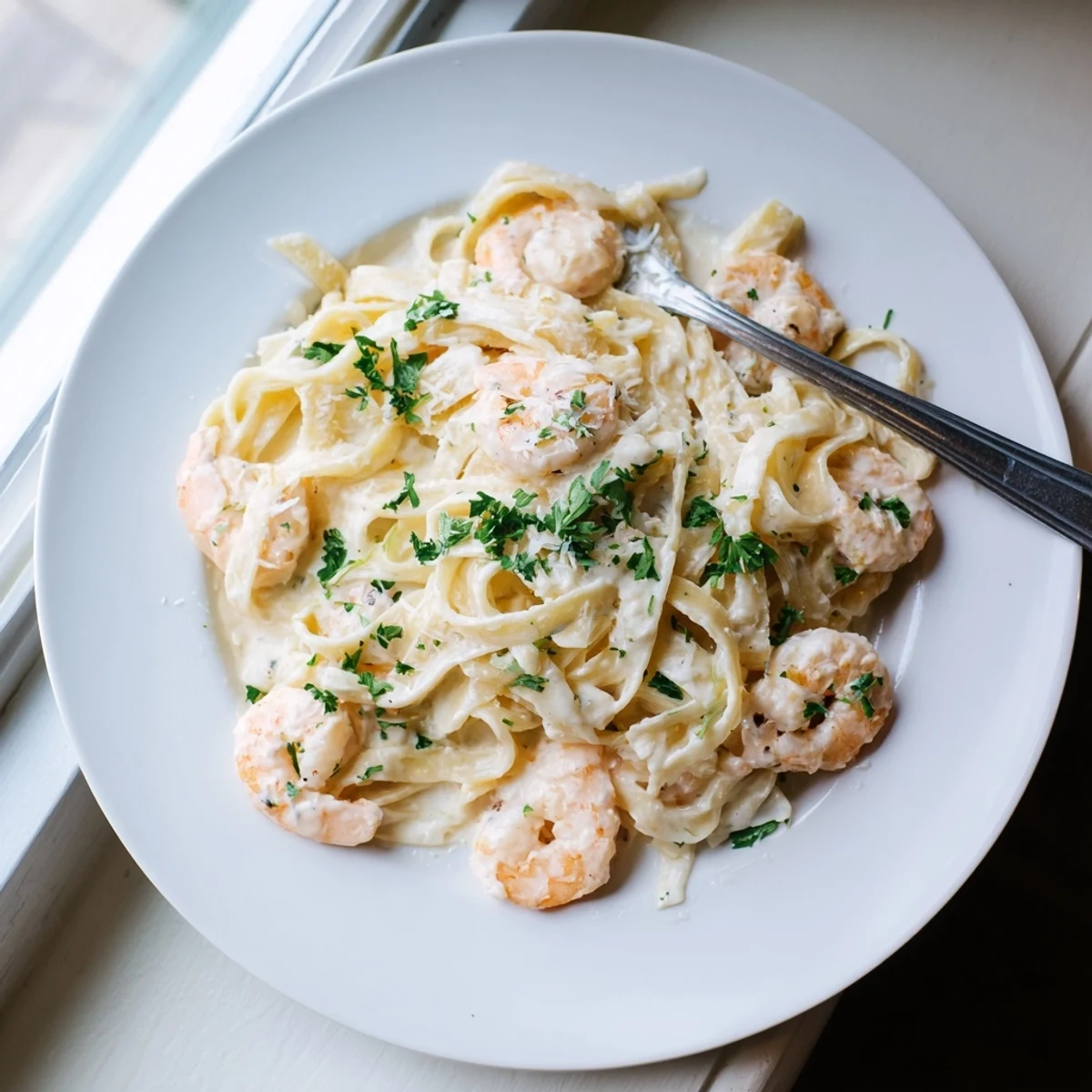
Save Theres something deeply satisfying about a one-pan meal that tastes like it came from a restaurant kitchen. This is the kind of dinner that makes weeknights feel like a special occasion.
Recipe FAQs
- → Can I use frozen shrimp for this dish?
-
Yes, frozen shrimp work perfectly. Thaw them completely in cold water or overnight in the refrigerator before cooking. Pat them dry with paper towels to remove excess moisture, which helps achieve better searing and prevents the sauce from becoming too watery.
- → What pasta shapes can substitute for fettuccine?
-
Linguine, tagliatelle, or pappardelle are excellent alternatives with similar ribbon-like textures. For something different, penne or rigatoni also work well—the sauce clings nicely to their ridges. Adjust cooking time slightly based on pasta thickness.
- → How do I prevent the sauce from separating?
-
Keep heat at medium-low or low when adding the Parmesan. High heat can cause dairy to break and become grainy. Stir continuously as the cheese melts, and remove from heat once the sauce reaches desired consistency. The starch from pasta also helps stabilize the emulsion.
- → Can I make this ahead of time?
-
This dish is best enjoyed fresh, as pasta absorbs sauce and becomes less creamy upon sitting. If needed, cook pasta and sauce separately, then combine just before serving with a splash of cream to loosen. Reheat gently over low heat, adding more liquid if needed.
- → How can I lighten this dish?
-
Replace half the heavy cream with half-and-half or whole milk. Use less Parmesan or supplement with nutritional yeast for cheesy flavor. Add more vegetables like spinach, mushrooms, or bell peppers to increase portion size without adding much cream. You can also increase shrimp quantity for more protein.
- → Why cook pasta directly in the sauce?
-
Cooking fettuccine in the creamy broth allows starch to release into the liquid, naturally thickening the sauce and helping it cling to every strand. This technique creates a silkier, more cohesive dish while infusing the pasta with flavor throughout—not just on the surface.