
 Save
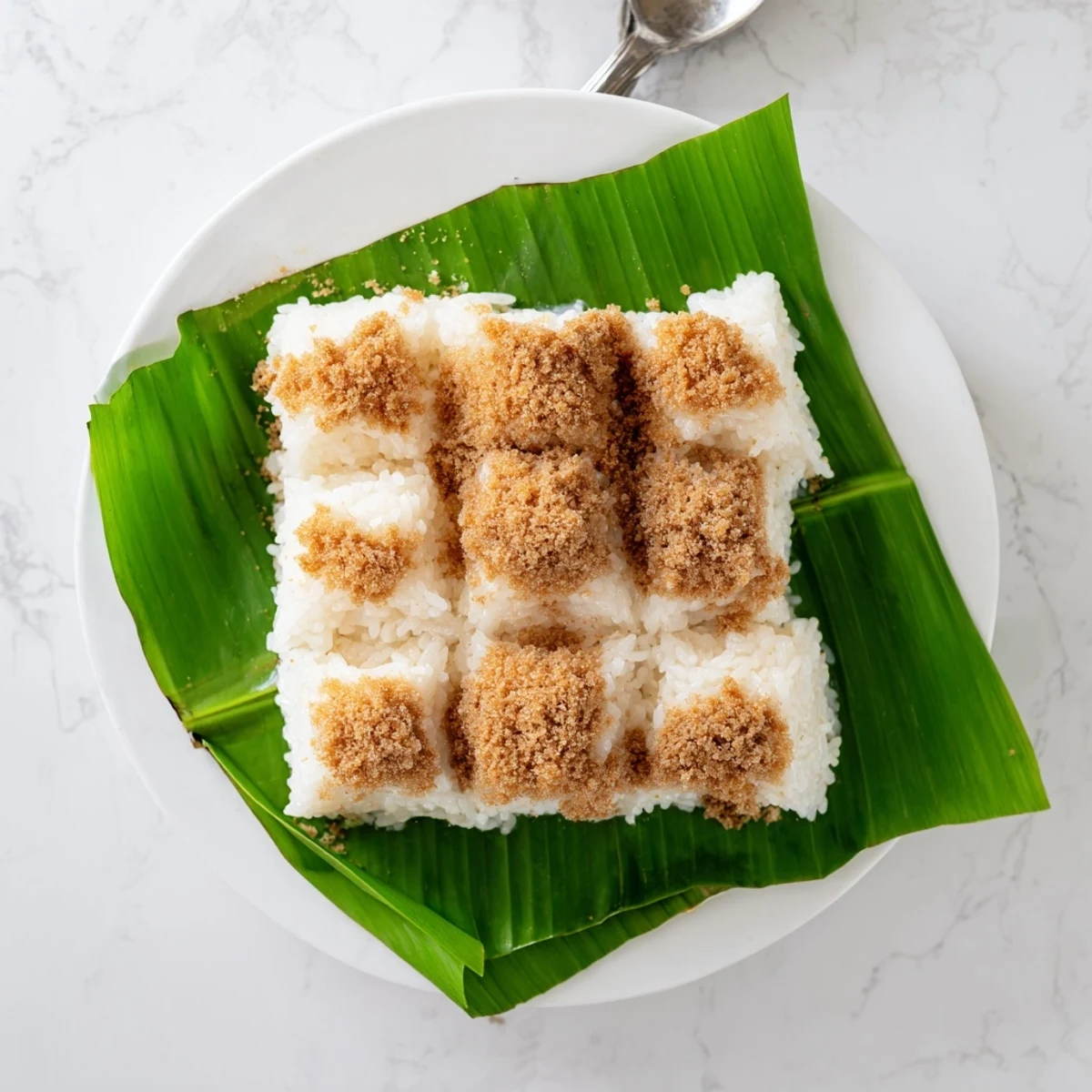
Save Pulut Inti is a cherished Malaysian kuih that combines steamed glutinous rice with a luscious coconut topping sweetened with palm sugar. The rice becomes tender and sticky after steaming with coconut milk, while the topping achieves a perfect balance of sweetness from gula Melaka. Traditionally wrapped in banana leaves, this portable treat offers a beautiful presentation and subtle earthy aroma. The optional blue pea flower extract adds a stunning natural blue hue to the rice. Best enjoyed at room temperature or slightly warm, these handheld delights capture the essence of Malaysian dessert culture.
The first time I encountered Pulut Inti was at a Malaysian night market, where vendors called out to passersby while banana leaf parcels steamed gently in woven baskets. Something about that aroma, coconut and caramelized sugar mingling with the earthy scent of warm banana leaves, stopped me in my tracks. I bought three pieces and ate them while leaning against a nearby wall, utterly captivated by the contrast between the chewy sweet rice and the fragrant, slightly salty coconut topping.
Last Ramadan, I decided to make these for my neighbor who had just returned from visiting family in Penang. She took one bite and her eyes actually welled up, telling me it tasted exactly like her grandmother's version. Now she requests them every Eid, and I've learned to double the recipe because somehow they always disappear faster than expected.
Ingredients
- Glutinous rice: This variety becomes irresistibly sticky when steamed, creating that chewy texture that's the hallmark of perfect kuih. I learned the hard way that skipping the overnight soak results in unpleasantly firm grains.
- Coconut milk: The fat content here is crucial for keeping the rice moist and tender. Fresh is ideal, but canned works in a pinch, just shake it well before measuring.
- Palm sugar: Also called gula Melaka, this unrefined sugar brings a complex, smoky sweetness that regular brown sugar simply cannot match. Grate it yourself if buying blocks for the best texture.
- Fresh coconut: The white meat only, please, and grate it finely if you can. The packaged frozen stuff works when fresh isn't available, but fresh gives you that authentic texture.
- Pandan leaf: That subtle vanilla like fragrance is absolutely essential for the real deal. Skip the extract if you must find the real leaves at Asian markets.
- Banana leaves: More than just pretty packaging, they impart an earthy, tea like aroma while keeping everything moist. Pass them quickly over an open flame to make them pliable.
Instructions
- Soak the glutinous rice:
- Give those grains a good long bath, at least four hours or overnight if you can plan ahead. They should plump up noticeably and feel almost velvety between your fingers.
- Prepare the steaming mixture:
- Drain the soaked rice well and combine it with the coconut milk and salt in a heatproof bowl. If you're using blue pea flower extract, add those one or two drops now and watch the rice turn the most mesmerizing shade of indigo.
- Steam the rice:
- Set up your steamer over high heat and cook the rice for 30 to 35 minutes, giving it a gentle stir halfway through. You'll know it's done when the grains are translucent and tender, still slightly chewy but not hard in the center.
- Make the palm sugar syrup:
- While the rice steams, combine the chopped palm sugar, water, and knotted pandan leaf in a saucepan over medium heat. Stir until the sugar completely dissolves and the mixture thickens slightly, then fish out that pandan leaf.
- Cook the coconut topping:
- Add the grated coconut and salt to the sugar syrup, then reduce the heat to low. Keep stirring constantly for 5 to 8 minutes until the coconut is evenly coated and the mixture is moist but not at all watery. It should hold its shape when you press a spoon into it.
- Assemble the parcels:
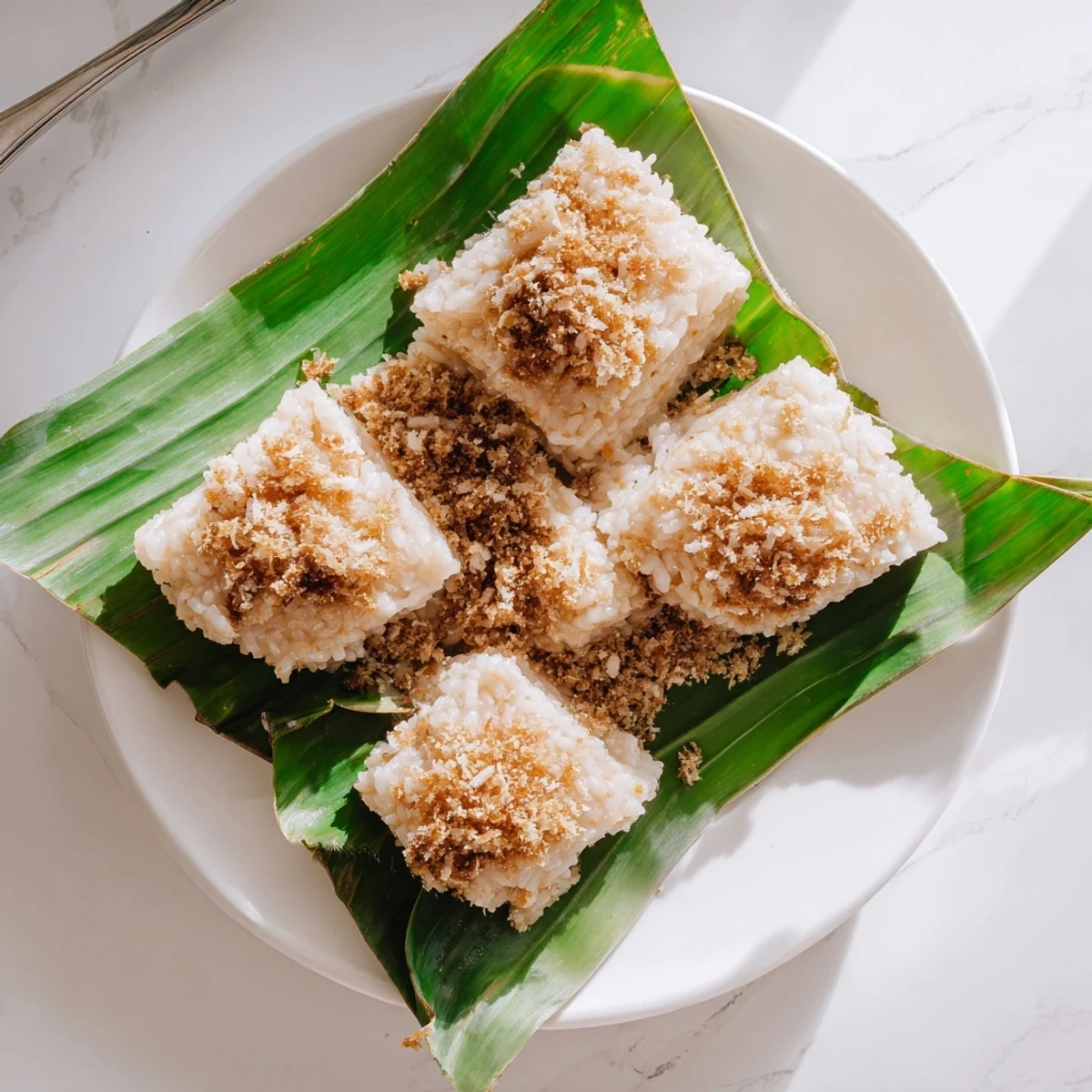
- Scoop about two tablespoons of the warm rice onto a softened banana leaf square and gently flatten it into a rough disc. Pile a generous spoonful of the coconut topping on top, then fold the banana leaf around it, tucking in the sides and leaving the top slightly exposed.
 Save
Save My daughter helped me fold the parcels for a school international day, and though her folding technique was far from perfect, the teachers told me her Pulut Inti was the first dish to vanish from the sharing table. There's something universally appealing about that sweet, chewy, coconutty combination that transcends cultural boundaries.
Getting That Perfect Texture
The secret lies in not oversteaming the glutinous rice. I've found that 30 minutes is usually the sweet spot, any longer and the grains start to become mushy rather than pleasantly chewy. Trust your senses, if the rice looks glossy and the grains separate easily when you fluff them, it's done.
Working With Banana Leaves
If you've never handled banana leaves before, they can be surprisingly stiff and prone to cracking. The trick is to quickly pass them over a gas flame or dip them in boiling water for just a few seconds. This makes them pliable and releases those wonderful aromatic oils that will infuse your Pulut Inti.
Making Ahead And Storing
Pulut Inti is best enjoyed the same day it's made, when the rice is still slightly chewy and the coconut topping is at its peak freshness. However, if you do need to store leftovers, keep them in an airtight container at room temperature for just one day. For longer storage, refrigerate them and re steam gently before serving to restore that perfect texture.
- Never refrigerate the assembled parcels without wrapping them tightly or the rice will harden
- The coconut topping can be made a day ahead and kept at room temperature
- If the rice seems dry after reheating, brush it with a little coconut milk
 Save
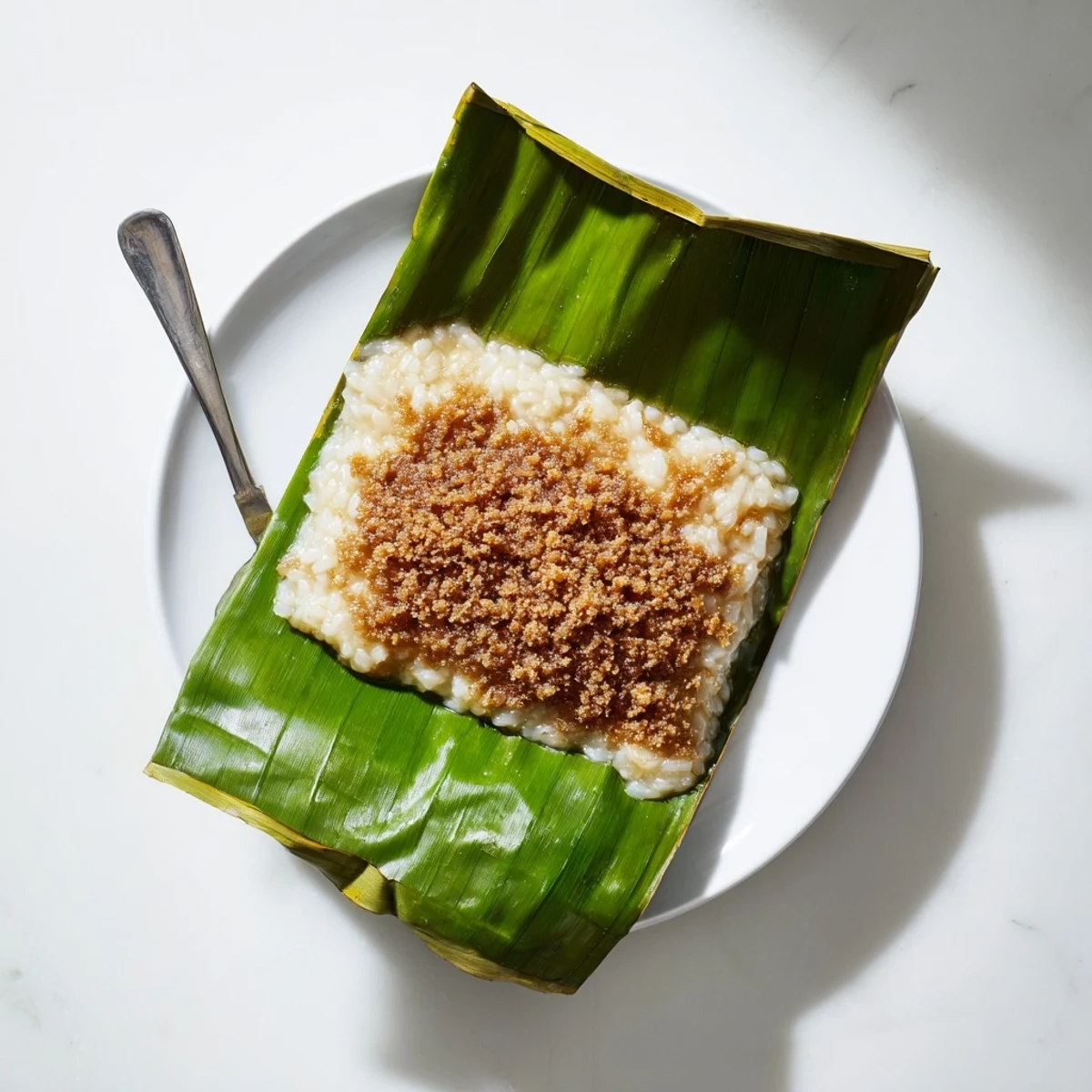
Save There's something deeply satisfying about unwrapping a warm Pulut Inti parcel, revealing that little package of sweet coconut topped rice inside. It's a humble dessert that carries centuries of tradition in every bite.
Recipe FAQs
- → What makes Pulut Inti special?
-
The combination of tender sticky rice infused with coconut milk and the sweet palm sugar coconut topping creates a perfect balance of textures and flavors that's quintessentially Malaysian.
- → How long should glutinous rice be soaked?
-
Soak the glutinous rice for at least 4 hours, though overnight soaking ensures the most tender and evenly cooked grains.
- → Can I make Pulut Inti without banana leaves?
-
Yes, you can serve the rice and topping on small plates or wrap them in parchment paper. The banana leaves add authentic aroma and presentation but aren't essential.
- → What can I substitute for palm sugar?
-
Brown sugar works as a substitute, though gula Melaka (palm sugar) provides the authentic caramel-like flavor that makes this treat special.
- → How should I store Pulut Inti?
-
Keep in an airtight container at room temperature for up to one day. For longer storage, refrigerate and re-steam before serving to restore the soft texture.
- → Is the blue color necessary?
-
Blue pea flower extract is completely optional. It creates the signature blue hue often seen in Nyonya-style versions, but traditional Pulut Inti uses white rice.