
 Save
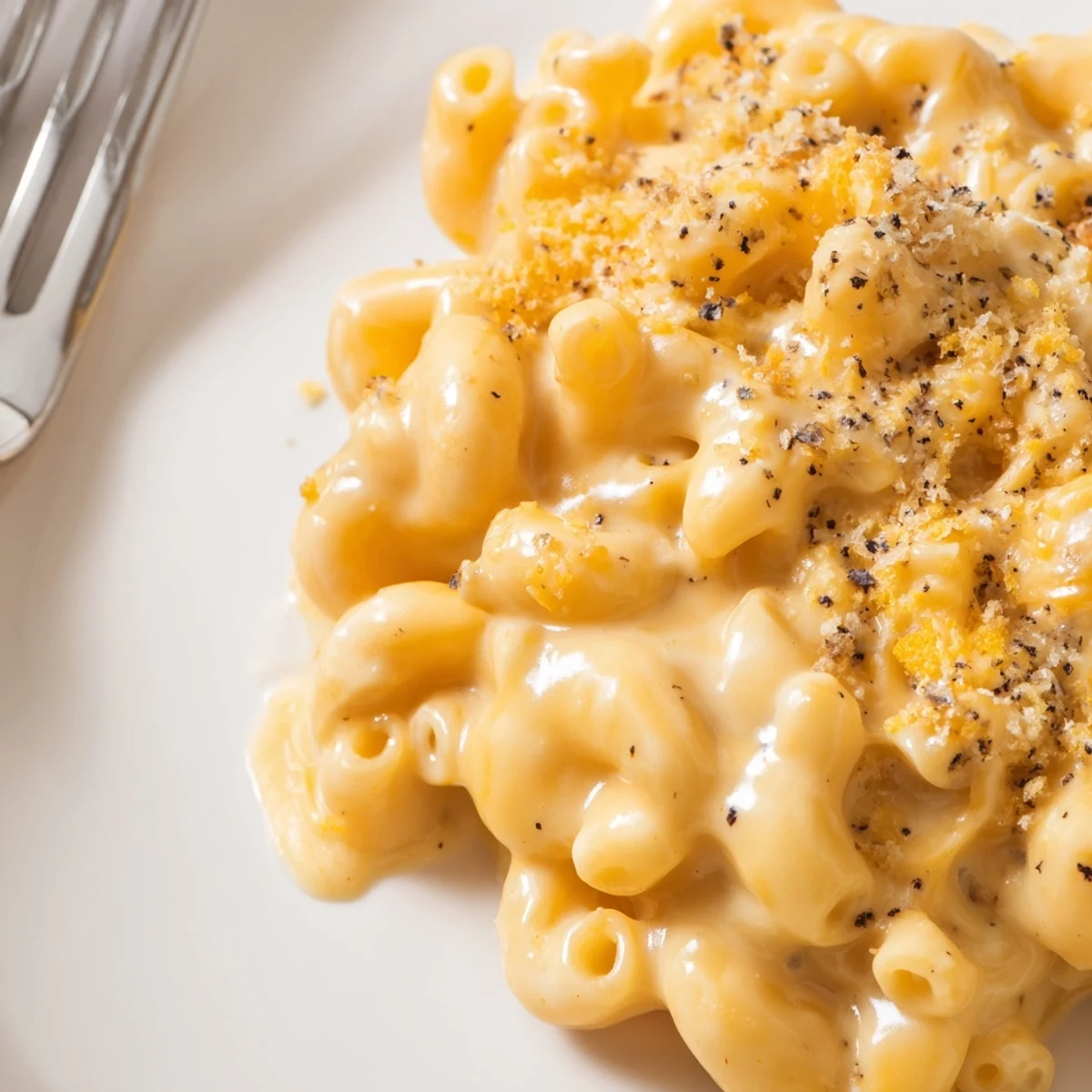
Save Classic comfort: tender elbow pasta enveloped in a smooth, roux-based cheddar sauce, brightened with a touch of Dijon. Cook pasta to just al dente, whisk a butter-and-flour roux with milk until it thickens, then stir in sharp and mild cheddars until silky before folding in the pasta.
For a crunchy finish, combine breadcrumbs with melted butter and parmesan, sprinkle on top, and bake until golden. Variations include bacon, sautéed onions, or a Gruyère blend for added depth.
The rain was hammering against the kitchen window and I had nothing planned for dinner, so I rummaged through the pantry and found a box of elbow macaroni staring back at me like a challenge. Forty five minutes later my roommate walked in, stopped mid sentence, and just said oh my god what is that smell. That pot of mac and cheese disappeared before it even had a chance to cool down.
I made this for a potluck once and brought it in a casserole dish with the breadcrumb topping all golden and crisp. A coworker who never comments on food pulled me aside to ask for the recipe, and honestly that felt better than any restaurant review could.
Ingredients
- 300 g elbow macaroni: The classic shape holds sauce in those little curves, but any small pasta works in a pinch.
- 2 cups whole milk: Whole milk is non negotiable here, skim will leave you with a thin sad sauce.
- 2 tbsp unsalted butter: This forms the base of your roux and adds a gentle richness that anchors everything.
- 2 tbsp all purpose flour: Just enough to thicken the milk without muting the cheese flavor.
- 1 cup sharp cheddar, grated: Sharp cheddar brings the tang and personality to the party.
- 1 cup mild cheddar, grated: Mild cheddar melts beautifully and rounds out the sharpness so nothing fights for attention.
- 1/2 tsp Dijon mustard: A tiny secret that makes the cheese taste more like cheese without anyone guessing why.
- Salt and black pepper: Season gradually and taste as you go, the cheese already brings salt.
- 1/4 cup breadcrumbs (optional): For that irresistible crunchy crown on top if you are baking it.
- 1 tbsp melted butter (optional): Mixed with the breadcrumbs for a toasted buttery finish.
- 2 tbsp parmesan, grated (optional): Sprinkled into the topping for an extra savory kick.
Instructions
- Get your oven ready:
- If you are going the baked route, preheat to 180C (350F) now so it is hot and waiting when you need it.
- Cook the pasta:
- Boil the macaroni in salted water until just al dente, it will cook a little more in the sauce later so pull it a minute early.
- Start the roux:
- Melt the butter in a saucepan over medium heat, then whisk in the flour and let it bubble for about a minute until it smells slightly nutty.
- Build the sauce:
- Pour in the milk slowly while whisking constantly to keep lumps away, then let it simmer gently until it coats the back of a spoon, about 4 to 5 minutes.
- Add the cheese:
- Kill the heat, toss in both cheeses and the Dijon, and stir patiently until everything melts into one glossy golden pool.
- Combine everything:
- Fold the cooked pasta into the sauce and make sure every noodle is swaddled in cheesy goodness.
- Bake if you want crunch:
- Spread the mixture into a greased baking dish, scatter the breadcrumb butter parmesan mixture on top, and bake for 15 to 20 minutes until the crust is deeply golden.
 Save
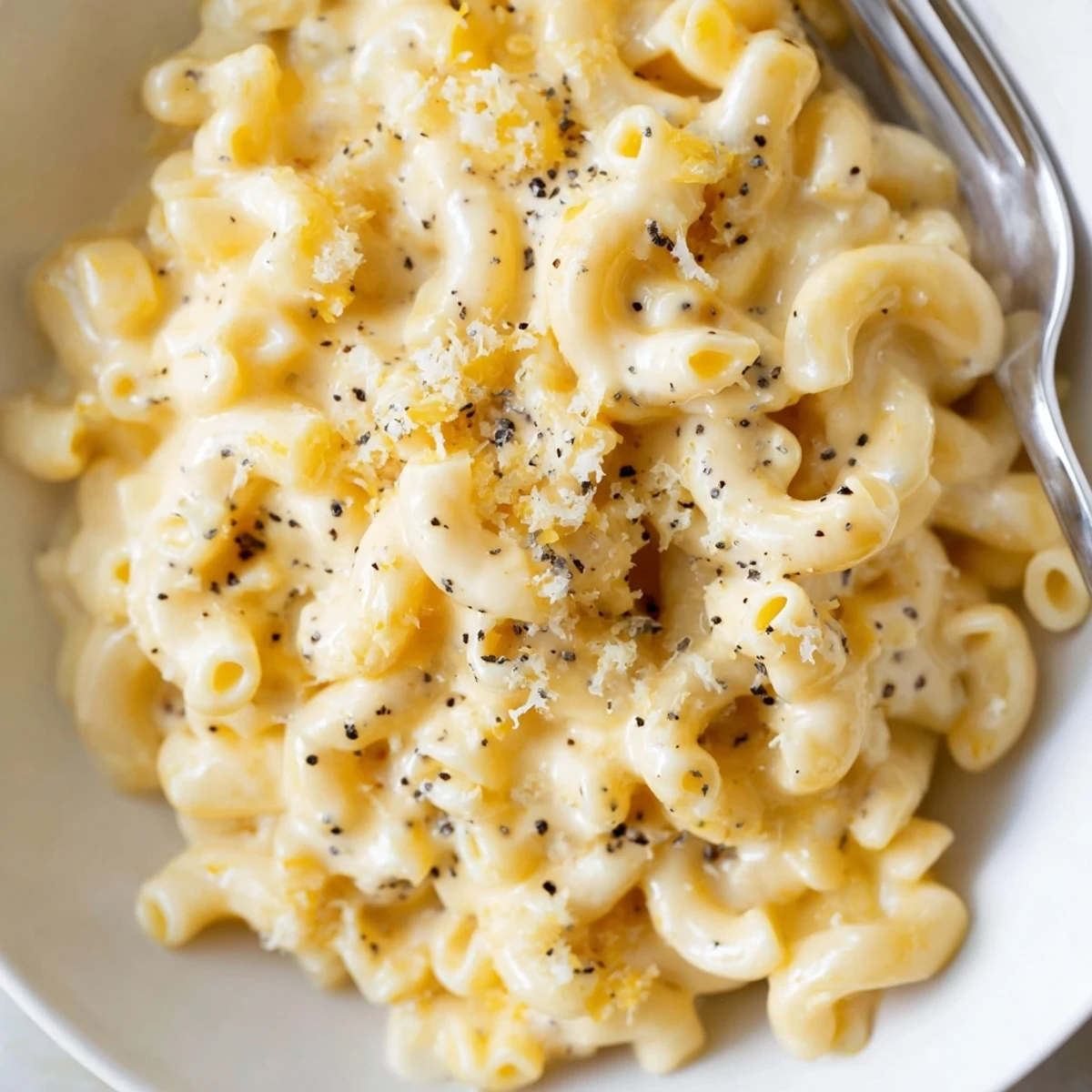
Save There is something about a bubbling dish of mac and cheese coming out of the oven that turns grown adults into impatient kids hovering around the counter with forks ready.
Mix It Up With Variations
Throw in crumbled cooked bacon, caramelized onions, or a few dashes of hot sauce if you want to take it somewhere unexpected. Swapping half the cheddar for Gruyere adds a nutty depth, and Monterey Jack makes it stretchier and mellow.
Making It Gluten Free
Use your favorite gluten free pasta and swap the all purpose flour for a one to one gluten free blend in the roux. The texture will be slightly different but the cheese carries this dish, so nobody at the table will feel like they are missing out.
Tools That Actually Help
A heavy bottomed saucepan makes the roux behave and prevents hot spots that can scorch the milk. Keep these in mind and cleanup stays painless.
- A flat whisk reaches into the corners of the pan better than a balloon whisk.
- Grate cheese directly into a bowl lined with parchment for zero stick cleanup.
- Taste the sauce before combining with pasta because adjusting salt afterward is much harder.
 Save
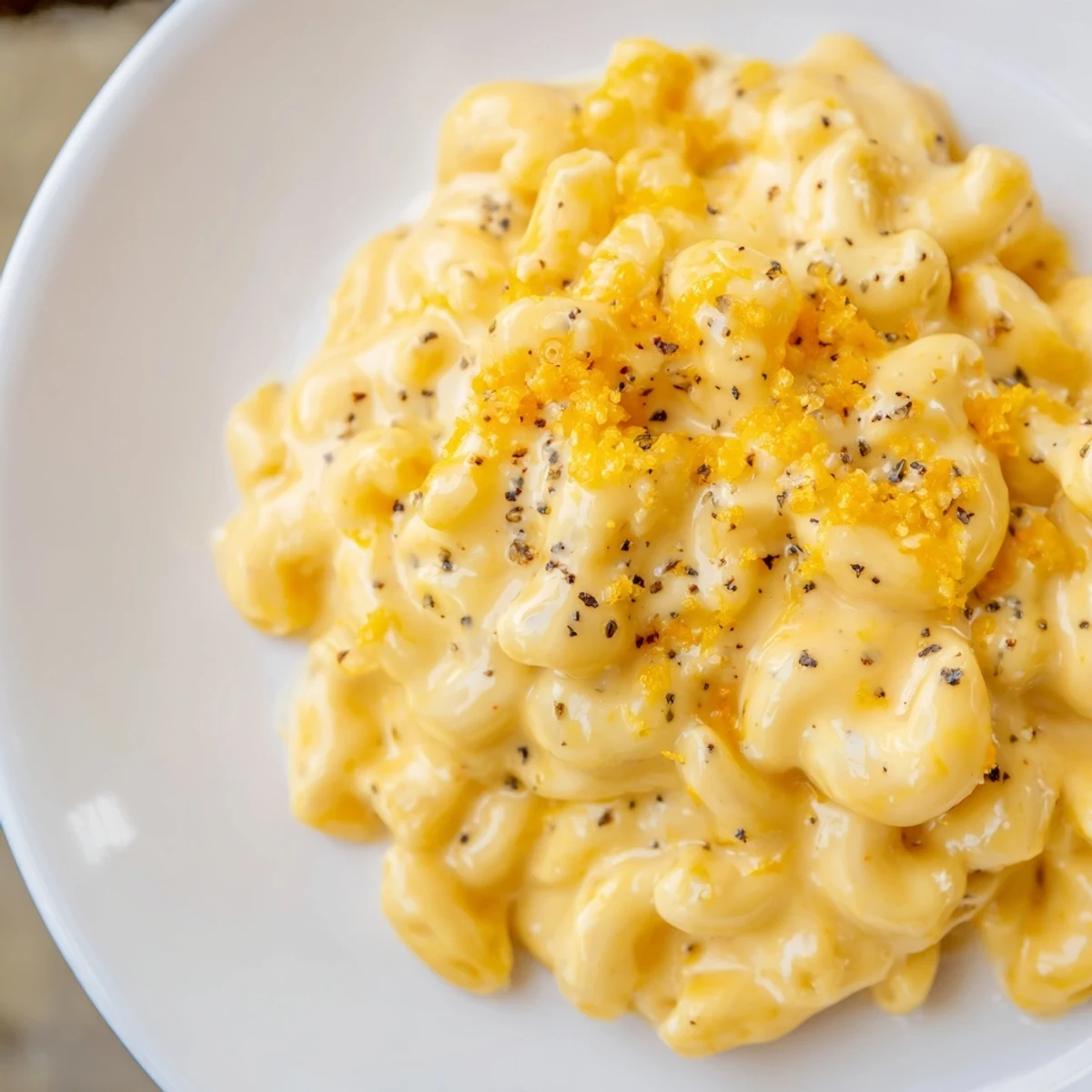
Save Make a double batch because leftovers reheat beautifully with a splash of milk and taste even better the next day. This is comfort food at its most forgiving and most rewarding.
Recipe FAQs
- → How do I prevent the sauce from becoming grainy?
-
Maintain moderate heat when melting the cheese and add it off the heat if needed. Stir continuously and use freshly grated cheddar rather than pre-shredded, which often contains anti-caking agents that hinder smooth melting.
- → What is the best way to get al dente pasta?
-
Follow package timing but taste a minute or two before the lower end of the range. Drain when the center has a slight bite; it will finish softening as it absorbs the sauce or during a short bake.
- → Can I bake it for a crunchy top without drying the sauce?
-
Yes. Transfer sauced pasta to a greased dish, sprinkle the buttered breadcrumb mixture evenly, and bake at 180°C (350°F) for 15–20 minutes until golden. Cover briefly if the top is browning too quickly.
- → Which cheeses work well besides cheddar?
-
Gruyère, Monterey Jack, or a blend of sharp and mild cheddars add complexity. Hard cheeses like parmesan are best reserved for the topping or a small finishing addition due to their texture when melted.
- → How can I adapt this for gluten-free diets?
-
Use gluten-free pasta and substitute the all-purpose flour in the roux with a gluten-free flour blend or cornstarch (mix cornstarch with a little cold milk before adding). Check breadcrumb labels or omit the topping.
- → Any tips for reheating leftovers?
-
Reheat gently on the stovetop over low heat, adding a splash of milk to loosen the sauce and stirring until creamy. For oven reheating, cover with foil at 160°C (325°F) until warmed through to avoid drying.