
 Save
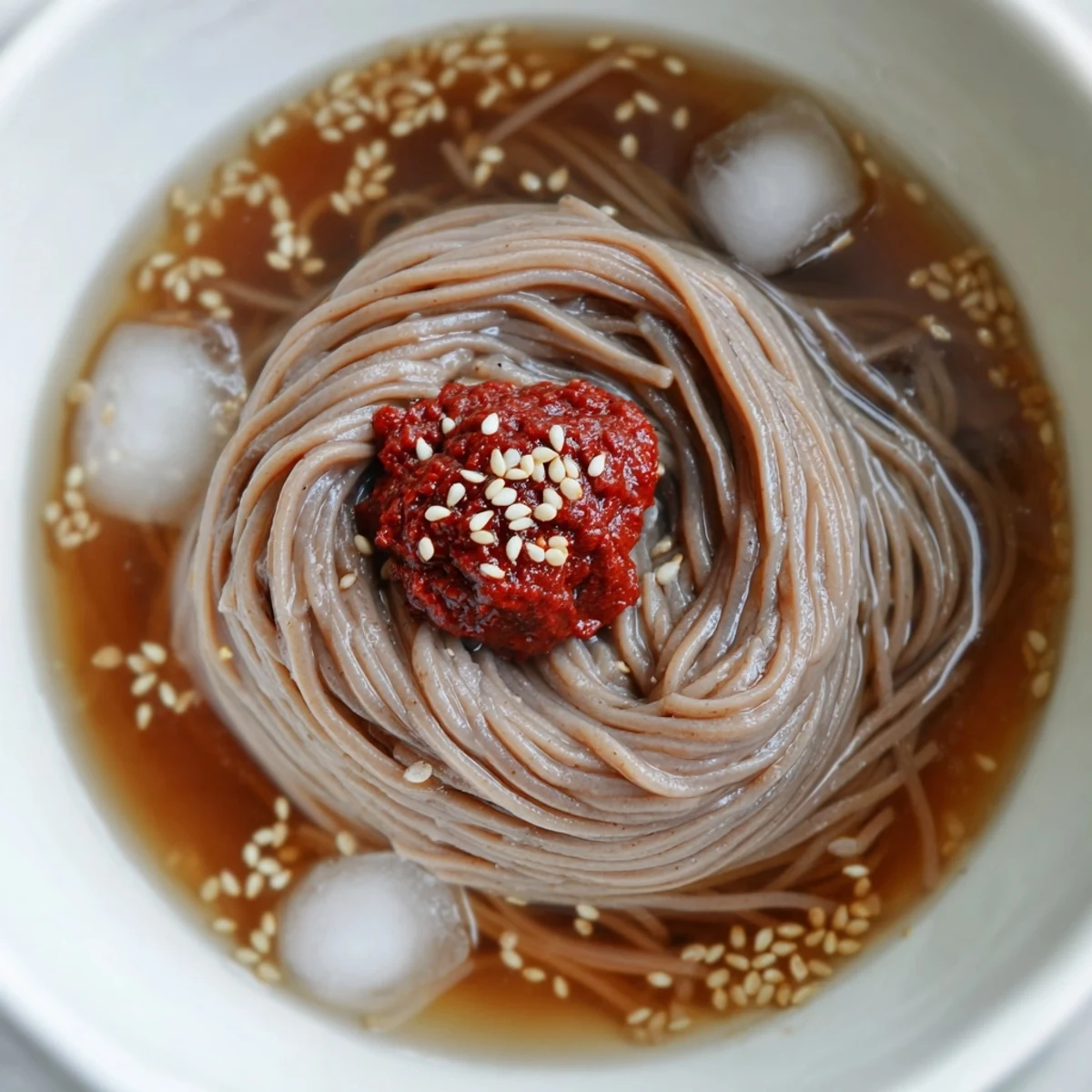
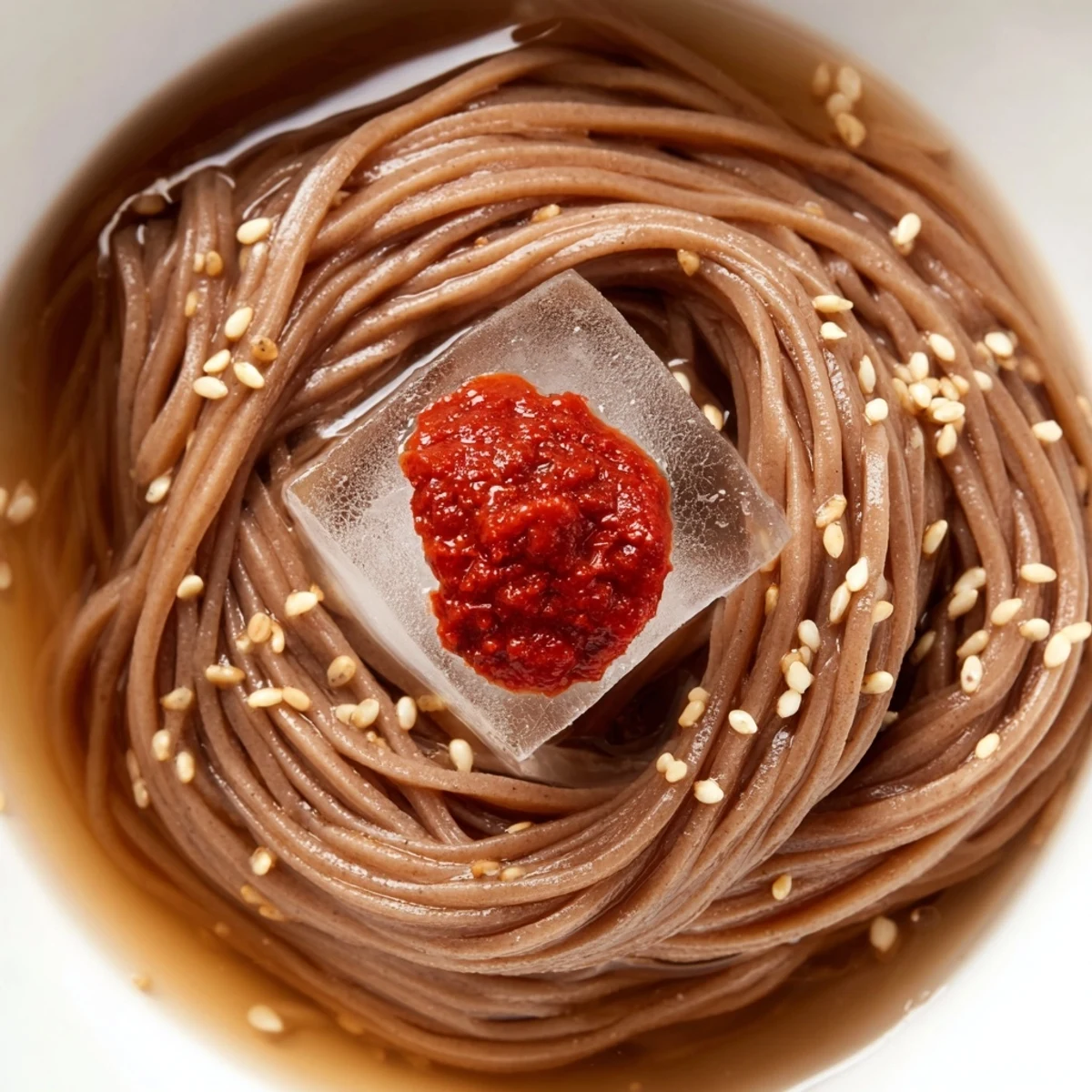
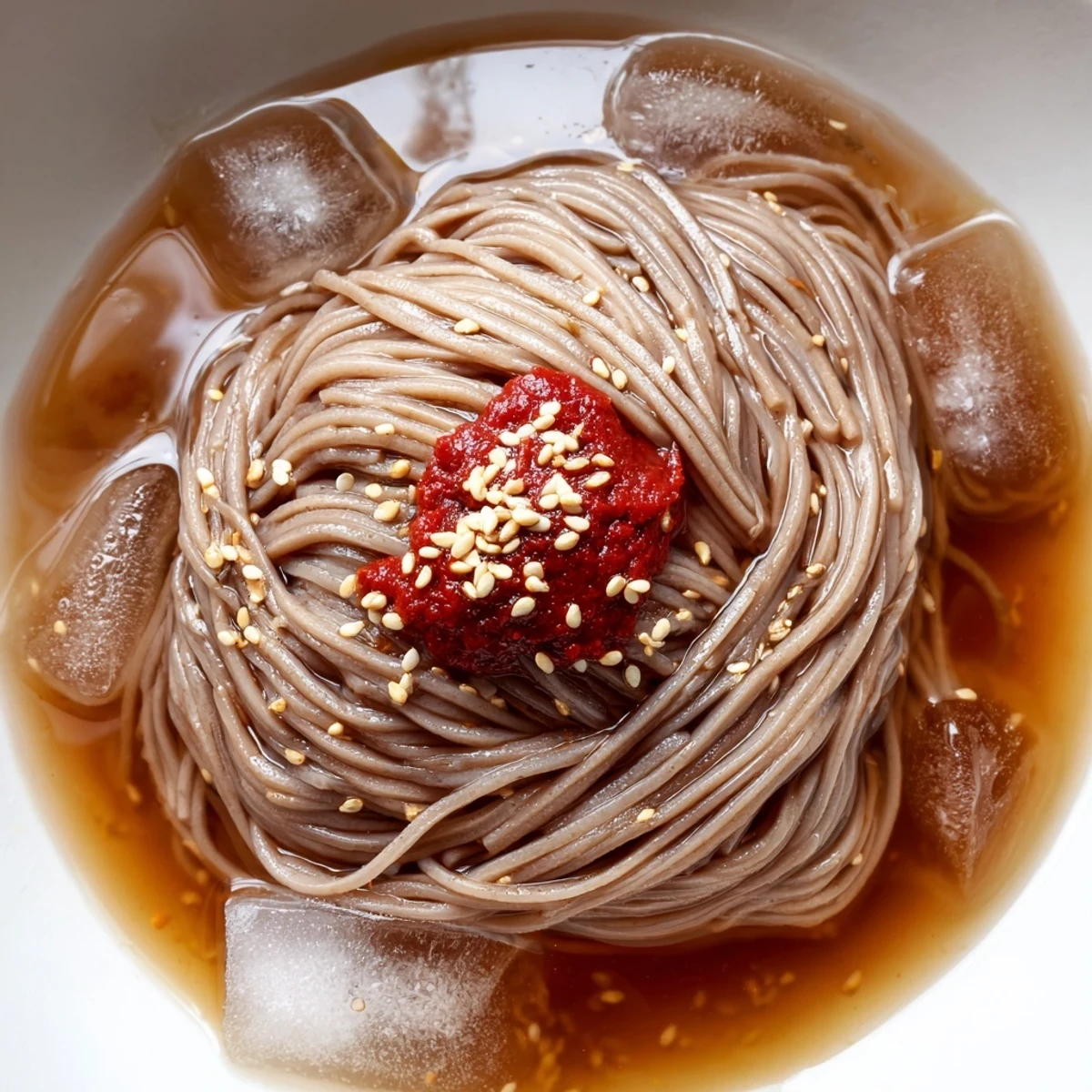
Save This beloved Korean dish features springy buckwheat noodles served in an ice-cold, tangy beef broth. The refreshing soup combines perfectly cooked naengmyeon with thinly sliced beef, crisp cucumber, sweet Asian pear, and a soft-boiled egg. The broth gets its signature zing from rice vinegar and a touch of soy sauce, while sesame oil adds nutty depth. Traditionally enjoyed during summer months, this dish offers the perfect balance of textures and temperatures—chewy noodles meet crisp vegetables in a bracingly cold liquid. Serve with gochujang for extra heat or keep it classic with just vinegar and mustard at the table.
The first time I had naengmyeon was at a tiny Seoul restaurant in the dead of winter, watching locals slurp these icy noodles while steam rose from their breath. It seemed completely backwards to me—freezing cold broth when snow was falling outside—but one bite changed everything. Now I crave that shocking cold refreshment when summer hits, and my kitchen becomes the only place I want to be.
Last July, when my air conditioner broke and I was melting into my couch, I remembered this dish. My neighbor came over sweating and complaining about the heat, so I made us both bowls. We sat on the floor with the fan pointed directly at us, eating cold soup and laughing about how ridiculous summer weather can be.
Ingredients
- Beef broth: Homemade gives you that rich depth but low-sodium works in a pinch
- Rice vinegar: This is what gives the broth its signature tang—dont skip it
- Sugar: Balances the acidity and mirrors traditional Korean sweetness
- Sesame oil: Just half a teaspoon adds a nutty backbone to the cold broth
- Naengmyeon noodles: Look for buckwheat noodles in Asian markets, soba works too
- Asian pear: Adds incredible crunch and natural sweetness you cant get anywhere else
- Cucumber: Thinly sliced brings cooling freshness and extra texture
- Ice cubes: Non-negotiable for keeping everything shockingly cold
Instructions
- Make the broth ahead:
- Whisk everything together in a bowl and let it chill for at least an hour—the flavors need time to become friends.
- Prep your toppings:
- Boil those eggs for exactly 10 minutes so the yolks stay creamy, then slice everything while the noodles cook.
- Cook and chill the noodles:
- Boil them for 3-4 minutes, then rinse under freezing cold water until theyre literally cold to the touch.
- Build your bowl:
- Pile noodles high, pour that icy broth over them, and arrange toppings like youre plating for a food magazine.
- Add the ice:
- Drop in those ice cubes right before serving so everything stays cold until the very last slurp.
 Save
Save My Korean friend told me her grandmother would make this after big family meals, calling it stomach-settling soup. Now whenever I eat something heavy or spicy, I automatically crave those cold chewy noodles and that bright broth.
Getting The Broth Balance Right
I once made the broth way too sour because I got heavy-handed with the rice vinegar. Now I start with less, taste, and add more gradually—everyone prefers their balance slightly different anyway.
The Noodle Texture Secret
The first few times I made this, my noodles turned into a gummy mess. Then I learned you have to be aggressive with the cold water rinse—really massage them under the tap until the water runs completely clear.
Serving Like A Pro
Korean scissors are a game changer here—cut the noodles a few times right in the bowl so theyre easier to slurp. Also, keep extra vinegar and mustard on the table so everyone can customize their own bowl.
- Use scissors to cut noodles into manageable sections
- Offer extra gochujang for heat lovers
- Keep a pitcher of extra cold broth handy
 Save
Save Theres something almost meditative about slurping icy noodles when the world feels too hot. Hope this brings you as many cool moments as its brought me.
Recipe FAQs
- → What makes naengmyeon broth authentic?
-
Traditional naengmyeon broth combines beef stock with rice vinegar, soy sauce, and sesame oil. Some versions incorporate dongchimi (radish water kimchi) brine for added fermentation flavor and natural sweetness.
- → Can I substitute the noodles?
-
Soba noodles work well as a substitute for naengmyeon. Look for thin buckwheat varieties that mimic the chewy texture. Udon or thin wheat noodles can be used but will have a different mouthfeel.
- → How cold should the broth be?
-
The broth should be thoroughly chilled, ideally below 40°F (4°C). Adding ice cubes directly to the bowls before serving maintains the optimal temperature throughout the meal.
- → Is this dish gluten-free?
-
Traditional naengmyeon contains wheat. For gluten-free options, use 100% buckwheat soba noodles and tamari instead of soy sauce. Always check labels as some buckwheat noodles include wheat flour.
- → What protein works best?
-
Thinly sliced beef brisket is traditional, but pork belly or shredded chicken breast work beautifully. For vegetarian versions, try adding tofu or extra vegetables like radish and carrots.
- → Can I prepare this ahead?
-
The broth improves after resting overnight and can be made up to 3 days in advance. Cook noodles fresh just before serving to maintain texture. Keep toppings sliced and chilled separately.