
 Save
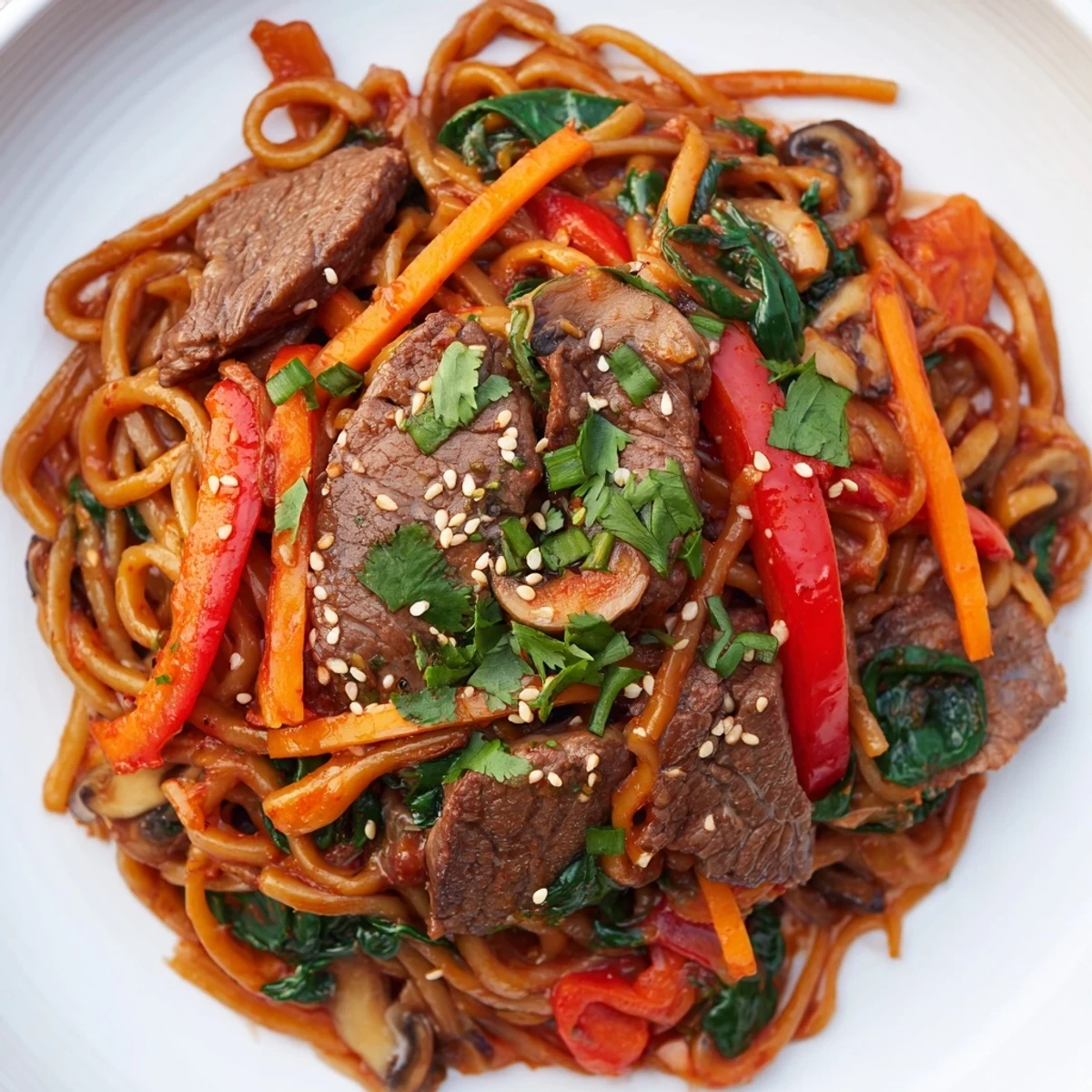
Save This Korean-inspired noodle dish features thinly sliced beef sirloin stir-fried with julienned carrots, bell peppers, mushrooms, and spinach. The chewy sweet potato noodles are coated in a homemade sauce blending soy sauce, brown sugar, gochujang, and sesame oil for that perfect balance of savory and sweet. Ready in under an hour, this comforting bowl delivers restaurant-quality flavors with simple preparation.
The first time I made these noodles, my kitchen filled with this incredible aroma of sesame and garlic that had my roommate hovering around the stove. We ended up eating straight from the wok, standing up, because waiting for bowls seemed ridiculous. That moment taught me that some dishes demand to be enjoyed immediately, piping hot and barely plated.
Last winter, I made a huge batch for my sister who was recovering from surgery. She took three bites and immediately asked for the recipe, saying it was the first thing that actually tasted like comfort. Now it is our go-to whenever someone needs feeding, whether they are celebrating a promotion or drowning their sorrows.
Ingredients
- 350 g (12 oz) beef sirloin or ribeye, thinly sliced: Freezing the beef for 20 minutes makes slicing thin strips effortless and ensures tender bites
- 1 tbsp soy sauce, 1 tsp sesame oil, 1 tsp sugar, 1 garlic clove, minced: This simple marinade transforms the beef, giving it depth and preventing toughness during high heat cooking
- 300 g (10 oz) Korean sweet potato noodles (dangmyeon) or dried udon noodles: These chewy, glassy noodles are what make the dish authentic and satisfying, plus they hold onto sauce beautifully
- 1 medium carrot, 1 red bell pepper, 100 g (3.5 oz) shiitake or button mushrooms: The combination brings crunch, sweetness, and earthiness that balances the rich beef
- 100 g (3.5 oz) baby spinach, 2 spring onions: Spinach wilts into silky ribbons while spring onions add fresh bites and color
- 3 tbsp soy sauce, 1 tbsp brown sugar, 1 tbsp gochujang: This trio creates that signature Korean flavor profile, salty, sweet, and gently spicy
- 1 tbsp rice vinegar, 2 tsp sesame oil, 1 tbsp water, 1 tsp grated ginger: The vinegar cuts through richness, ginger adds warmth, and extra sesame oil creates that glossy finish
- 1 tbsp toasted sesame seeds, 2 tbsp chopped fresh cilantro or parsley: These final touches add nutty crunch and fresh herbal brightness that lifts the whole dish
Instructions
- Marinate the beef:
- Toss the sliced beef with soy sauce, sesame oil, sugar, and minced garlic, then let it sit for at least 10 minutes while you prep everything else. This step is not optional, it is what keeps the beef tender and flavorful.
- Cook the noodles:
- Boil the noodles according to package directions until just tender, then drain and rinse under cold water to stop cooking and remove excess starch. Do not skip the rinse, or your final dish will turn gummy.
- Whisk together the sauce:
- Combine all sauce ingredients in a small bowl until the sugar dissolves completely, stirring until you have a smooth, reddish brown liquid. Taste it now and adjust the heat level if you are sensitive.
- Stir fry the vegetables:
- Heat your wok over medium high heat until it is almost smoking, add a splash of oil, then sauté the carrots, peppers, and mushrooms for 3 to 4 minutes. Toss in the spinach and spring onions for another minute or two until everything is bright and just tender, then remove to a plate.
- Sear the beef:
- In the same hot wok, add the marinated beef and stir fry for 2 to 3 minutes until browned and cooked through. Do not crowd the pan or the beef will steam instead of sear.
- Bring it all together:
- Return the vegetables and noodles to the wok with the beef, pour in the sauce, and toss everything for 2 to 3 minutes until hot and coated in that glossy, fragrant sauce.
- Finish and serve:
- Divide among bowls and sprinkle generously with sesame seeds and cilantro or parsley, then serve immediately while the noodles are still chewy and the sauce is clinging to everything.
 Save
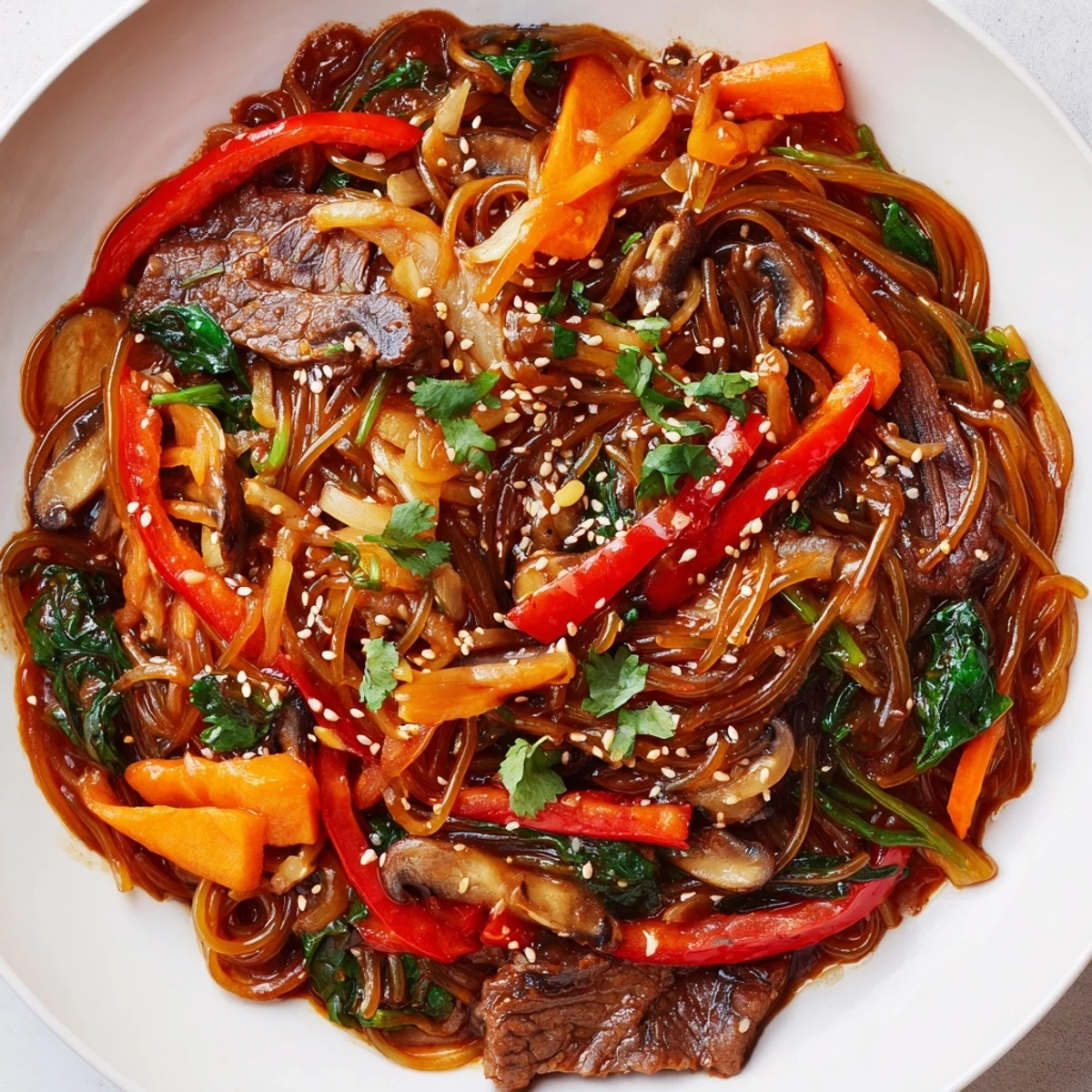
Save These noodles have become my answer to every question about what to make when you want something comforting but not heavy. The way the sauce clings to each chewy strand, the tender beef, the crisp vegetables, it all works together so perfectly that I rarely change anything about it anymore.
Making It Your Own
Swap the beef for sliced chicken or shrimp if you prefer, or make it vegetarian with firm tofu that has been pressed and cubed. The sauce works with almost any protein, and I have even used leftover roasted pork in a pinch. Just remember to adjust cooking times so nothing overcooks while you are building layers of flavor.
The Heat Factor
Gochujang brings a gentle warmth rather than overwhelming spice, but you can absolutely dial it up or down. Start with less if you are unsure, then add more at the end if you want more kick. I once accidentally doubled it and created a version that still gets requested whenever my spice loving friends visit.
Noodle Wisdom
Sweet potato noodles are worth seeking out for their unique bounce and slight sweetness, but udon works beautifully if that is what you can find. Just avoid delicate rice noodles, they will turn to mush under the weight of the sauce and vegetables. The thicker the noodle, the better it stands up to these bold flavors.
- Soak dried noodles in warm water while prepping to shorten cooking time
- Reserve a splash of noodle water in case your sauce needs thinning
- Leftovers reheat surprisingly well, though the noodles will soften slightly
 Save
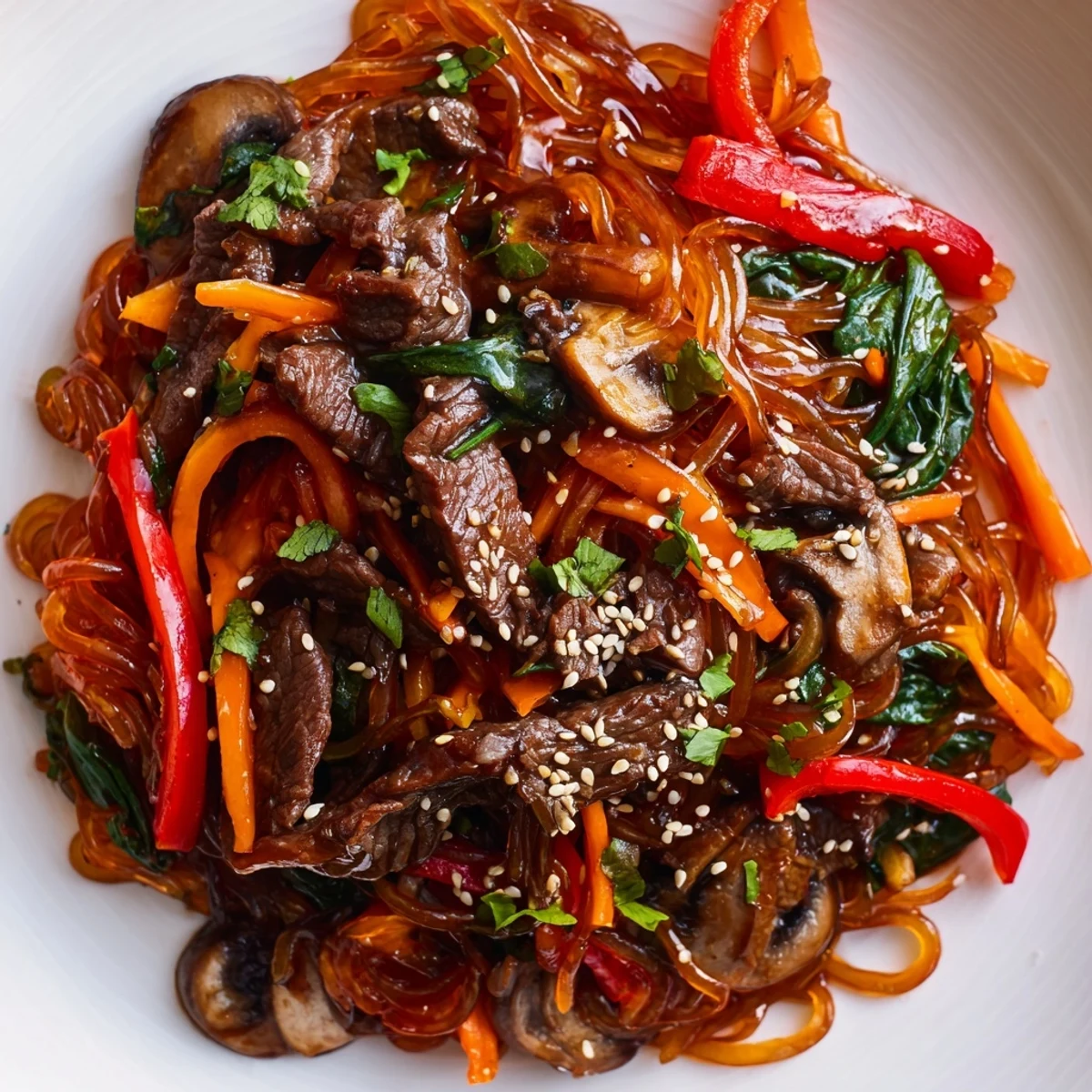
Save I hope these noodles bring as much joy to your table as they have to mine over the years. There is something deeply satisfying about a dish that comes together so quickly yet tastes like it took hours.
Recipe FAQs
- → What type of noodles work best?
-
Korean sweet potato noodles (dangmyeon) are traditional, offering a delightfully chewy texture. Dried udon noodles make an excellent substitute with similar bite.
- → Can I make this dish spicy?
-
Adjust the gochujang amount to increase heat. For more spice, add Korean chili flakes (gochugaru) or a drizzle of sriracha when tossing.
- → What beef cuts are suitable?
-
Sirloin or ribeye work beautifully when thinly sliced against the grain. Flank steak is another budget-friendly option that stays tender.
- → How do I store leftovers?
-
Refrigerate in an airtight container for up to 3 days. The noodles will absorb more sauce, so you may want to add a splash of water when reheating.
- → Is this gluten-free adaptable?
-
Yes—use tamari instead of soy sauce and select gluten-free noodles. Always check your gochujang label, as some brands contain wheat.
- → What vegetables can I add?
-
Zucchini, broccoli florets, snap peas, or bok choy make wonderful additions. Add heartier vegetables earlier in the stir-fry process.