
 Save
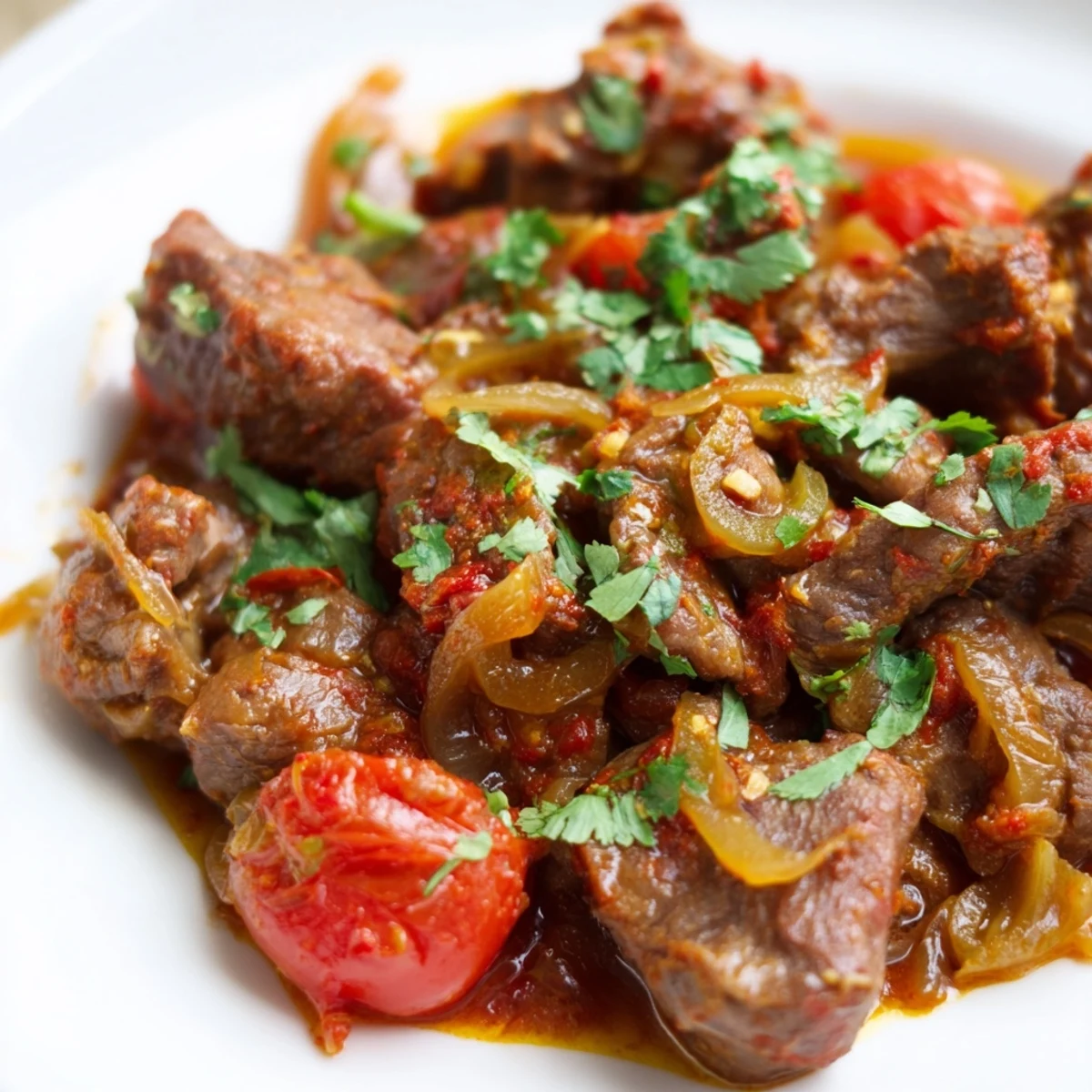
Save This beloved Kenyan dish transforms tender goat meat into a savory, aromatic masterpiece. The meat simmers with aromatic onions, garlic, and ginger until tender, then gets stir-fried with fresh tomatoes and traditional spices including paprika, ground coriander, and turmeric.
The result is a rich, glossy coating that clings beautifully to each bite-sized piece. Perfect served alongside ugali, rice, or chapati, this dish brings authentic East African flavors to your table with just 20 minutes of prep and about an hour of cooking time.
The first time I encountered goat wet fry was at a tiny roadside joint in Nairobi, where the cook kept rhythm on his cutting board and the whole street smelled like caramelized onions and spices. I watched him work, seemingly without measuring anything, creating this glossy, rich dish that made everyone at the communal table fall silent. That night I learned that Kenyan cooking is about patience and letting flavors build in layers.
My friend Wanjiku taught me that the secret is in the timing of each ingredient and knowing when the oil is hot enough. She would stand over the pan, listening to the sizzle change pitch, and that is when she would add the tomatoes. Now I can tell by smell alone when the dish is ready to serve.
Ingredients
- Goat meat: The star of the show, with its distinct gamey flavor that becomes beautifully tender when slow cooked
- Onions: Sweetness is essential here, so let them caramelize until they are deep golden brown
- Tomatoes: They break down to create that signature rich, glossy sauce
- Garlic and ginger: The aromatic foundation that gives the dish its characteristic warmth
- Green chilies: Adjust to your heat preference but do not skip them entirely
- Fresh coriander: Added at the end for brightness and color
- Paprika and ground coriander: These spices create the beautiful reddish hue and complex flavor
- Turmeric: Optional but adds lovely color and subtle earthiness
- Water: Just enough to tenderize the meat as it simmers
Instructions
- Start with the meat:
- Place the goat meat in a large saucepan with half the onions, garlic, ginger, and some salt. Add enough water to cover and simmer gently until the meat is tender.
- Create the base:
- Heat oil in a heavy pan and cook the remaining onions until they turn a deep golden brown, stirring occasionally.
- Build the sauce:
- Add tomatoes and green chilies, cooking until they break down into a thick, fragrant mixture that smells like comfort.
- Combine and coat:
- Add the cooked meat with any remaining juices, then stir in all the spices and let everything cook together until the sauce clings to the meat.
- Finish with freshness:
- Taste and adjust seasoning, then stir in fresh coriander and give it one final minute to meld together.
 Save
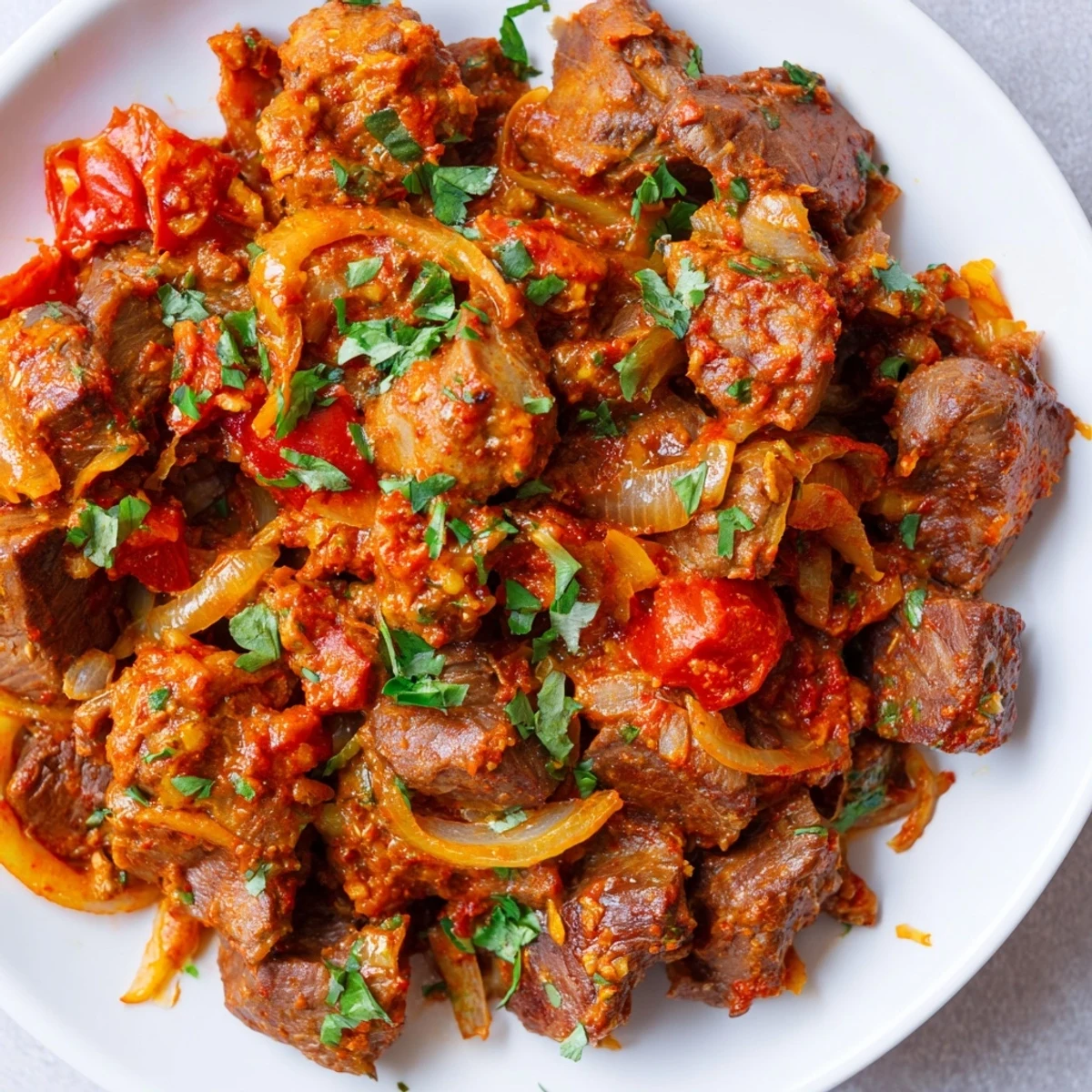
Save This recipe has become my go to for gatherings because it tastes even better the next day, which means less stress when hosting. My family now requests it for every special occasion, and I have learned to make double batches.
Choosing the Right Meat
Look for goat meat with a good amount of marbling and some fat, as this keeps the meat moist during cooking. Younger goat meat will be more tender and milder in flavor.
Serving Suggestions
Traditional ugali is the perfect canvas for soaking up that rich sauce, but rice or warm chapati work beautifully too. The dish really shines when you have something to scoop up every last drop.
Make It Your Own
While this recipe is traditional, you can adapt it based on what you have available and your family preferences.
- Substitute beef or lamb if goat is not available in your area
- Add a diced carrot along with tomatoes for natural sweetness
- Finish with a squeeze of lemon juice for brightness
 Save
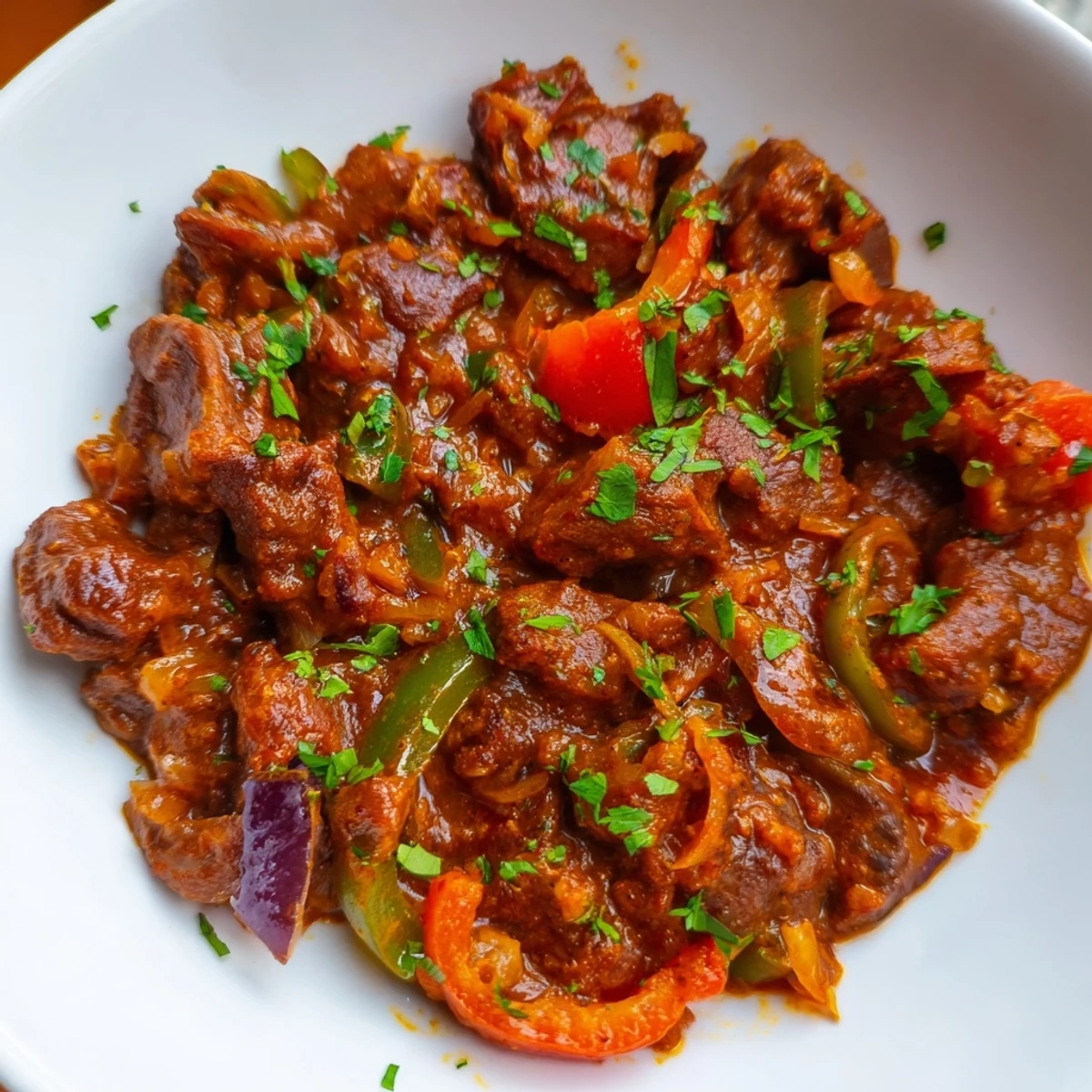
Save There is something deeply satisfying about this dish, the way it fills your kitchen with such welcoming aromas and brings everyone to the table. Serve it hot, with good company, and watch how quickly it disappears.
Recipe FAQs
- → What makes Kenyan goat wet fry unique?
-
The signature wet fry technique creates a thick, glossy sauce that coats the meat rather than being soupy or dry. The combination of tomatoes, onions, and traditional spices like paprika and ground coriander creates a distinctive aromatic profile that's quintessentially Kenyan.
- → Can I substitute goat meat with other proteins?
-
Absolutely. Beef, lamb, or chicken work beautifully with this preparation method. Adjust cooking times accordingly—chicken will need less time to become tender, while beef may require slightly longer simmering.
- → How do I know when the consistency is correct?
-
The ideal wet fry consistency is thick enough to coat the meat generously but not so liquid that it becomes a soup. The sauce should cling to each piece when stirred, creating that characteristic glossy finish.
- → What's the best way to serve Kenyan goat wet fry?
-
Traditionally served hot with ugali (stiff cornmeal porridge), rice, or chapati. The starchy sides perfectly complement the rich, spiced meat. For an authentic experience, pair with a light, fruity red wine or cold beer.
- → How can I adjust the heat level?
-
The green chilies are optional and can be adjusted to taste. Start with one chili, slice it thinly, and add more if desired. You can also remove the seeds to reduce heat while maintaining the fresh pepper flavor.
- → Can this be made ahead of time?
-
While best served immediately for maximum juiciness, you can prepare it ahead and reheat gently. The flavors often develop further overnight. Add a splash of water when reheating to restore the glossy consistency.