
 Save
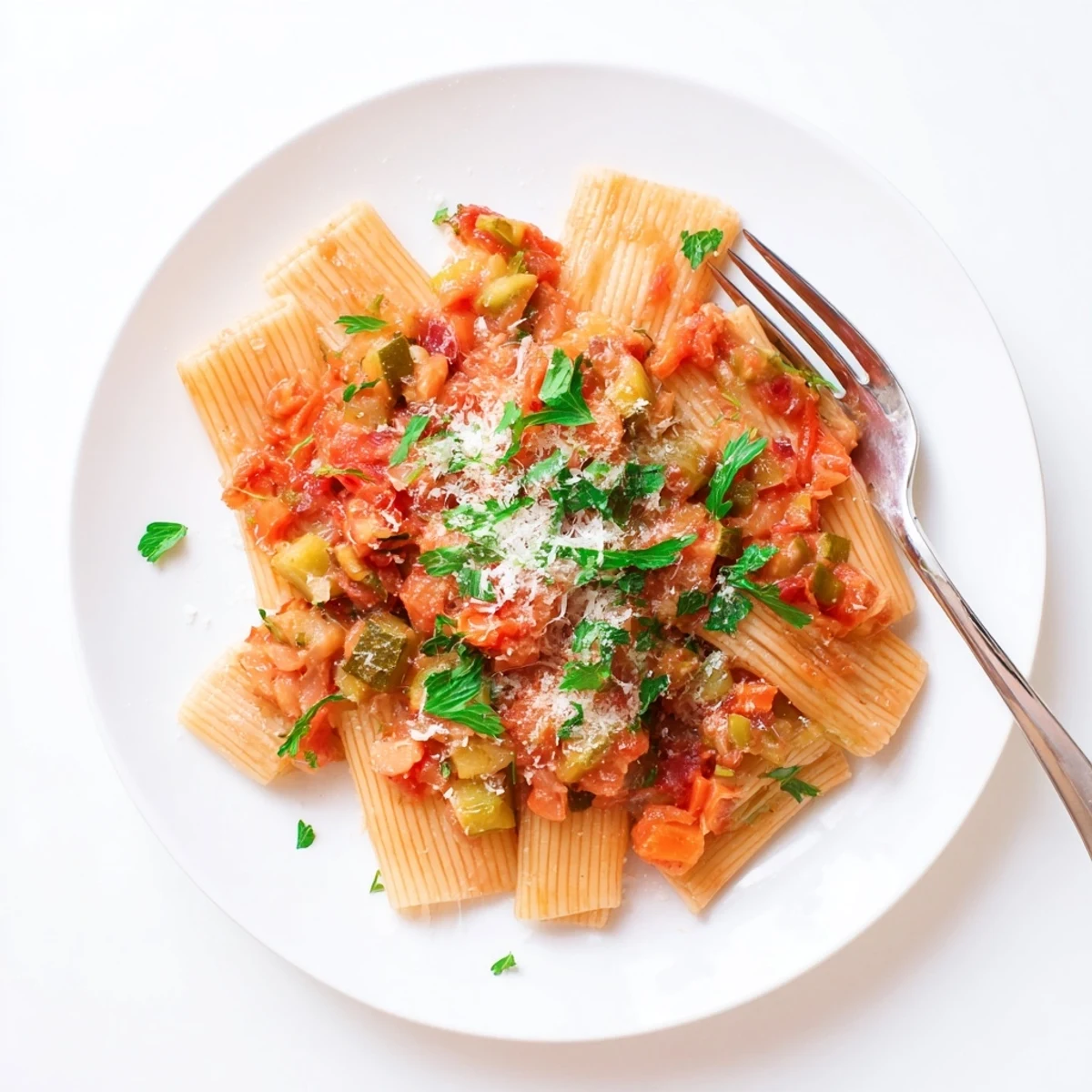
Save This rustic Italian sauce transforms simple zucchini into a rich, flavorful topping. Fresh vegetables simmer with aromatic herbs and tomatoes, creating a versatile condiment perfect for coating pasta, complementing grilled meats, or topping crusty bread.
The preparation comes together in just 15 minutes of active cooking, then simmers gently to develop deep flavors. Zucchini provides a tender texture while carrots add subtle sweetness. Dried oregano and basil infuse the sauce with classic Italian essence, and red pepper flakes offer optional warmth.
Finished with fresh parsley and optional Parmesan, this sauce yields four generous cups. It's naturally vegetarian and gluten-free, making it suitable for various dietary needs. The consistency can be customized—leave it chunky for rustic appeal or blend until smooth for a refined finish.
The first time I made this zucchini sauce, I was trying to use up an overflowing garden harvest and ended up with something my husband now requests weekly. There's something magical about how zucchini transforms from watery and bland into this deeply savory, almost creamy sauce that clings to every strand of pasta.
Last summer, my neighbor brought over armfuls of zucchini from her garden, and I made three batches of this sauce in one afternoon. My kitchen smelled like herbs and garlic, and we ended up eating it for dinner three nights that week with different accompaniments each time.
Ingredients
- 2 medium zucchini: Fresh zucchini works best here, slightly firm to the touch, and avoid ones with soft spots
- 1 medium yellow onion: Finely chopped so it melts into the sauce, creating a sweet base
- 2 cloves garlic: Minced fresh, never jarred, it makes all the difference in the final depth
- 1 (400 g) can diced tomatoes: Good quality canned tomatoes work beautifully year round when fresh are out of season
- 1 small carrot: Grated, this adds natural sweetness that balances the zucchini and cuts acidity
- 2 tbsp extra virgin olive oil: The foundation of the sauce, use one you like the taste of
- 1 tsp dried oregano: Greek oregano has the most robust flavor if you can find it
- 1 tsp dried basil: Or 2 tbsp fresh basil if you have it growing on your windowsill
- 1/2 tsp red pepper flakes: Optional, but I love the subtle warmth it brings
- Salt and freshly ground black pepper: Season gradually as you cook, tasting as you go
- 2 tbsp fresh parsley: Added at the end for bright freshness and color
- 1 tbsp grated Parmesan cheese: Optional for serving, though a little goes a long way
Instructions
- Warm the olive oil:
- Pour the olive oil into your largest skillet and set it over medium heat, watching until it shimmers and thins out slightly
- Soften the onion:
- Add the chopped onion and cook for 3 to 4 minutes, stirring occasionally, until it's translucent and fragrant
- Add the garlic:
- Stir in the minced garlic and let it cook for just 1 minute until you can smell it, watching carefully so it doesn't brown
- Cook the vegetables:
- Add the diced zucchini and grated carrot, sautéing for 5 to 7 minutes until the zucchini starts to soften and release its liquid
- Add tomatoes and seasonings:
- Pour in the diced tomatoes with their juice, then stir in the oregano, basil, red pepper flakes, salt, and pepper
- Simmer the sauce:
- Bring everything to a gentle bubble, then lower the heat and let it simmer uncovered for 20 minutes until the sauce thickens and the zucchini is tender
- Finish and serve:
- Taste and adjust the seasoning, stir in the fresh parsley, and serve hot over your favorite pasta or with crusty bread
 Save
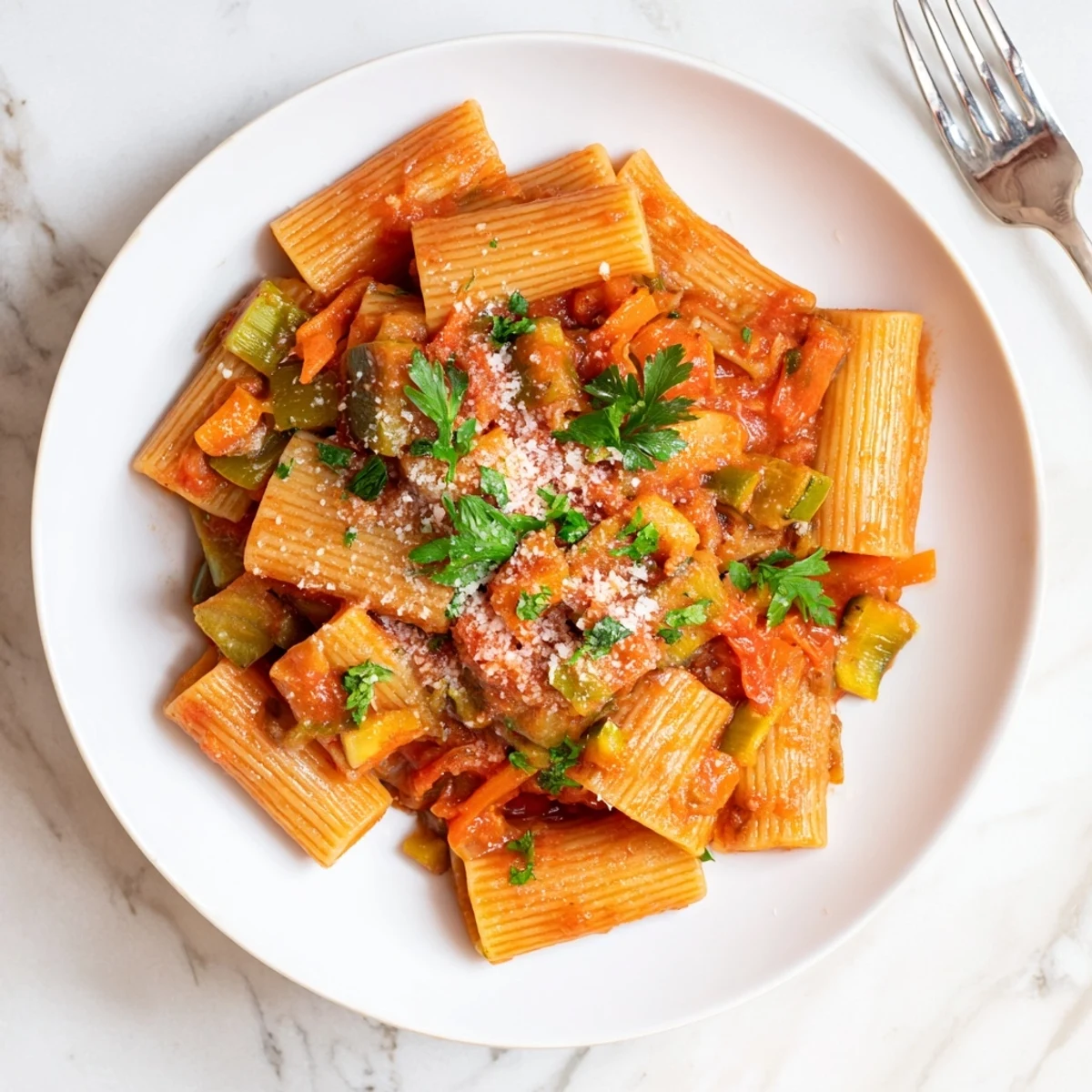
Save This recipe became my go to for unexpected guests because it looks impressive but comes together from pantry staples. My friend Maria asked for the recipe after she licked her plate clean at a casual Tuesday dinner.
Making It Your Own
I've discovered that adding a splash of white wine with the tomatoes creates restaurant style depth. Sometimes I throw in a handful of chopped spinach or kale during the last few minutes of cooking to sneak in extra greens.
Storage And Leftovers
The sauce actually tastes better the next day as the flavors meld together. Store it in an airtight container in the refrigerator for up to 5 days, or freeze portion sized amounts for those busy weeknight dinners.
Serving Ideas
Beyond pasta, this sauce works beautifully over grilled chicken or fish. I've even spooned it over scrambled eggs and used it as a pizza sauce instead of the usual red sauce.
- Toss with penne or fusilli for maximum sauce adherence
- Serve over polenta for a cozy winter dinner
- Layer into lasagna for a lighter alternative to meat sauce
 Save
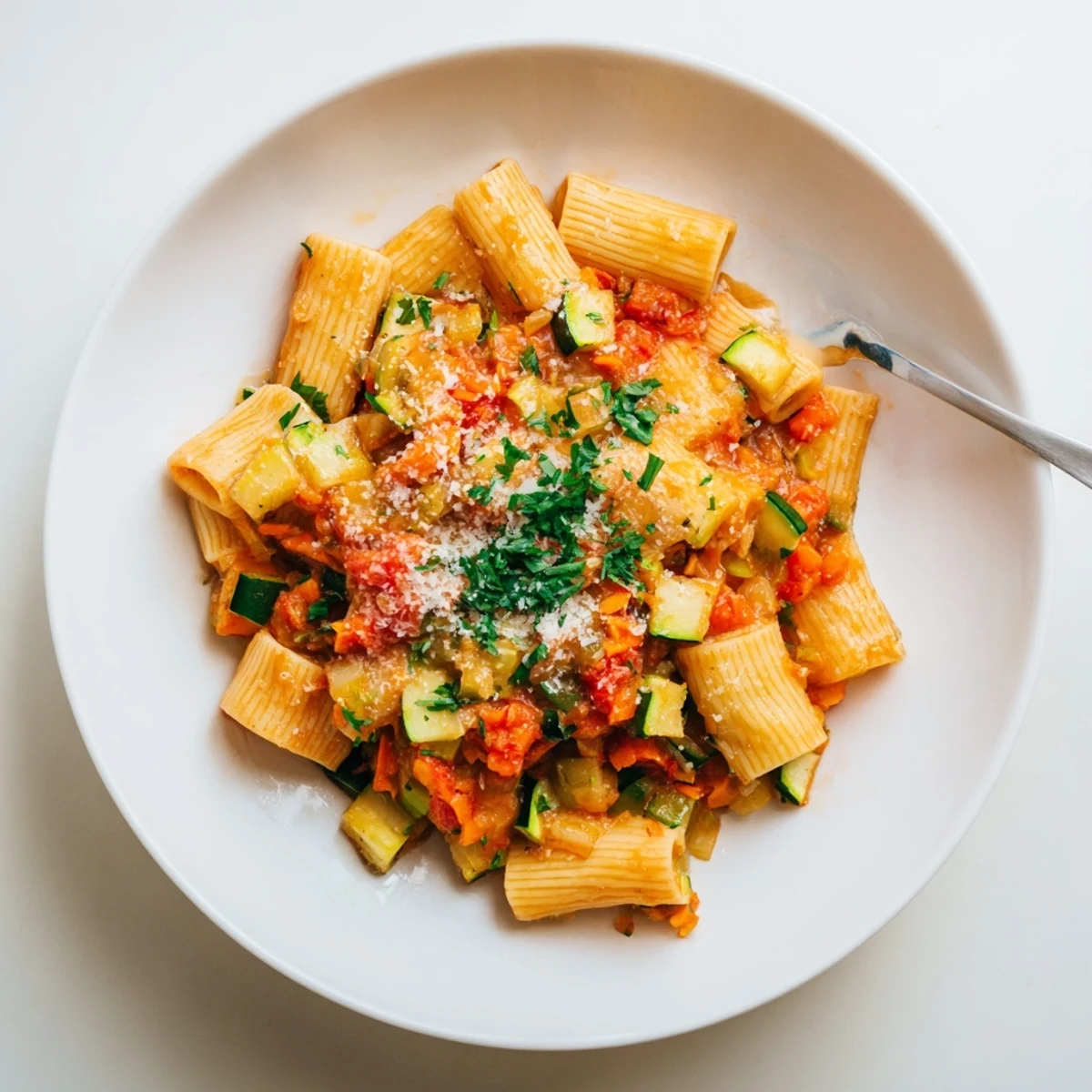
Save There's something deeply satisfying about turning simple vegetables into a sauce that feels luxurious and comforting. This recipe reminds me that the best dishes often come from making do with what you have and letting simple ingredients shine.
Recipe FAQs
- → Can I freeze this zucchini sauce?
-
Yes, this sauce freezes beautifully. Cool completely before transferring to airtight containers or freezer bags. It will keep for up to 3 months in the freezer. Thaw overnight in the refrigerator and reheat gently on the stovetop, adding a splash of water if needed to restore consistency.
- → What pasta shapes work best with this sauce?
-
The sauce's chunky texture clings well to short pasta shapes like penne, rigatoni, or fusilli. It also coats long noodles such as spaghetti or linguine beautifully. For a more rustic presentation, try it with gemelli or cavatappi. The vegetable pieces nestle into the crevices, ensuring every bite is flavorful.
- → How can I make this sauce more hearty?
-
Add protein-rich ingredients like cannellini beans, chickpeas, or browned ground meat during the simmering stage. Stirring in ricotta or dollops of mascarpone at the end creates a creamy version. For extra texture, incorporate chopped olives, capers, or toasted pine nuts just before serving.
- → Is it necessary to peel the zucchini?
-
No, leaving the skin on adds color and nutrients to the sauce. The zucchini skin softens considerably during cooking and contributes to the rustic appearance. If you prefer a smoother texture or are working with large, mature zucchini with tough skins, peeling is acceptable.
- → Can I use fresh tomatoes instead of canned?
-
Absolutely. Use about 4 ripe medium tomatoes, chopped, in place of the canned variety. Fresh tomatoes yield a slightly lighter, brighter flavor. Simmer for a few extra minutes to break down the fresh tomatoes and achieve the desired consistency. Peak-season tomatoes will produce the most vibrant results.
- → What can I substitute for fresh basil?
-
Dried basil works well as specified, but other fresh herbs also complement this sauce. Try fresh Italian parsley, thyme, or marjoram for different flavor profiles. A combination of fresh herbs—basil, parsley, and oregano—creates an especially aromatic finish. Add fresh herbs at the end to preserve their delicate oils.