
 Save
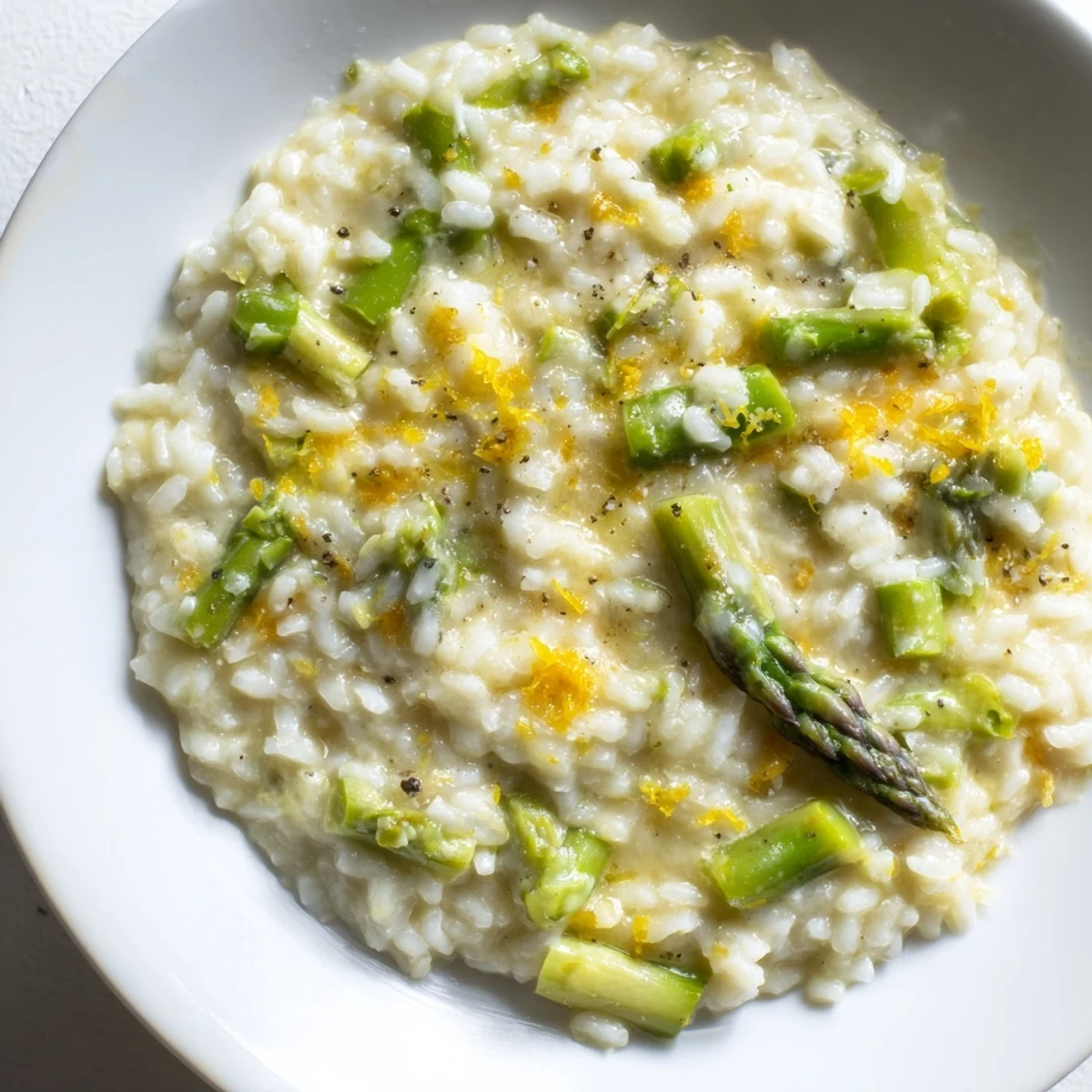
Save This creamy risotto highlights tender asparagus pieces gently blanched to preserve color and texture. Arborio rice is toasted and slowly cooked while stirred frequently with warm vegetable broth and dry white wine to achieve a smooth, al dente consistency. Butter and freshly grated Parmesan enrich each bite, with a hint of lemon zest to brighten the flavors. Ideal for a special dinner, it balances vibrant vegetables and rich dairy for an elegant plate.
The kitchen was quiet except for the gentle bubbling of broth and rain tapping against the window pane. I'd been wanting to master risotto properly for years, ever since a disappointing attempt at a dinner party left me with mushy rice and frustrated guests. Something about the rhythm of stirring—adding broth, waiting, stirring again—felt almost meditative that evening. When I finally took that first bite and tasted the perfectly al dente grains suspended in that luscious cream, I knew I'd finally understood what all the fuss was about.
I made this for Valentine's Day two years ago, during that strange winter when everything felt uncertain and we needed small moments of beauty more than ever. My partner and I stood side by side at the stove, taking turns adding broth and chatting about nothing and everything. The way the kitchen filled with the scent of shallots sizzling in butter, then the bright green asparagus hitting the pan—it was the most romantic dinner we'd had in months. Now every time I see asparagus at the farmers market, I'm reminded that sometimes the most elegant things are also the simplest.
Ingredients
- Asparagus: Choose firm bright green stalks with tightly closed tips—blanching them first preserves their vibrant color and ensures they cook through without becoming mushy in the rice
- Arborio rice: This short grain rice has a high starch content that releases slowly during cooking, creating that signature creamy texture without actually needing cream
- Warm vegetable broth: Adding cold broth shocks the rice and interrupts the starch release—keep it simmering on a back burner so it's always ready to go
- Dry white wine: The acidity cuts through the richness and adds subtle complexity—Pinot Grigio or Sauvignon Blanc work beautifully here
- Shallot and garlic: These aromatic foundations build layers of flavor—cook them gently so they sweeten rather than brown or burn
- Butter and Parmesan: Stirred in at the very end, these transform the rice from simple grains into something luxuriously creamy and indulgent
- Olive oil: Helps prevent the butter from burning during the initial cooking stages
- Lemon zest: The bright floral finish makes everything taste lighter and fresher—a secret trick I learned from an Italian nonna who swore it made the dish sing
Instructions
- Prep the asparagus:
- Bring a medium saucepan of salted water to a boil and blanch the asparagus pieces for 2 minutes until they're bright green and just tender, then transfer immediately to an ice bath to stop the cooking and preserve that gorgeous color
- Start the aromatics:
- Heat olive oil and half the butter in a large sauté pan over medium heat—when the butter foams, add the chopped shallot and cook for 2 minutes until translucent, then add the minced garlic for just 30 seconds until fragrant
- Toast the rice:
- Add the arborio rice and stir constantly to coat every grain in the fat, toasting for 1 to 2 minutes until you see the edges turn slightly translucent—this creates a protective layer that helps the rice hold its texture
- Add the wine:
- Pour in the white wine and keep stirring until it's almost completely absorbed, about 1 minute—the rice will start to smell slightly nutty as the alcohol cooks off
- Add broth gradually:
- Begin adding the warm vegetable broth one ladleful at a time, stirring frequently and waiting until most of the liquid is absorbed before adding the next ladle—this slow process is what releases the starch and creates the creaminess
- Finish cooking:
- Continue adding broth for about 18 to 20 minutes until the rice is creamy but still has a slight bite in the center—stir in the blanched asparagus during the final 5 minutes so it heats through without overcooking
- The all important finish:
- Remove the pan from heat completely—this is crucial—then stir in the remaining butter and grated Parmesan vigorously until emulsified and glossy
- Season and serve:
- Taste and add salt and pepper as needed, finish with lemon zest if using, and serve immediately in warmed bowls with extra Parmesan on the table
 Save
Save This recipe has become my go to for anniversaries, promotions, or just Tuesday nights that need a little extra magic. There's something about the ritual of risotto—the standing at the stove, the stirring, the gradual transformation—that feels like an act of love. Every time I make it now, I think about how some of the best things in life really do just take patience and attention.
Perfecting the Texture
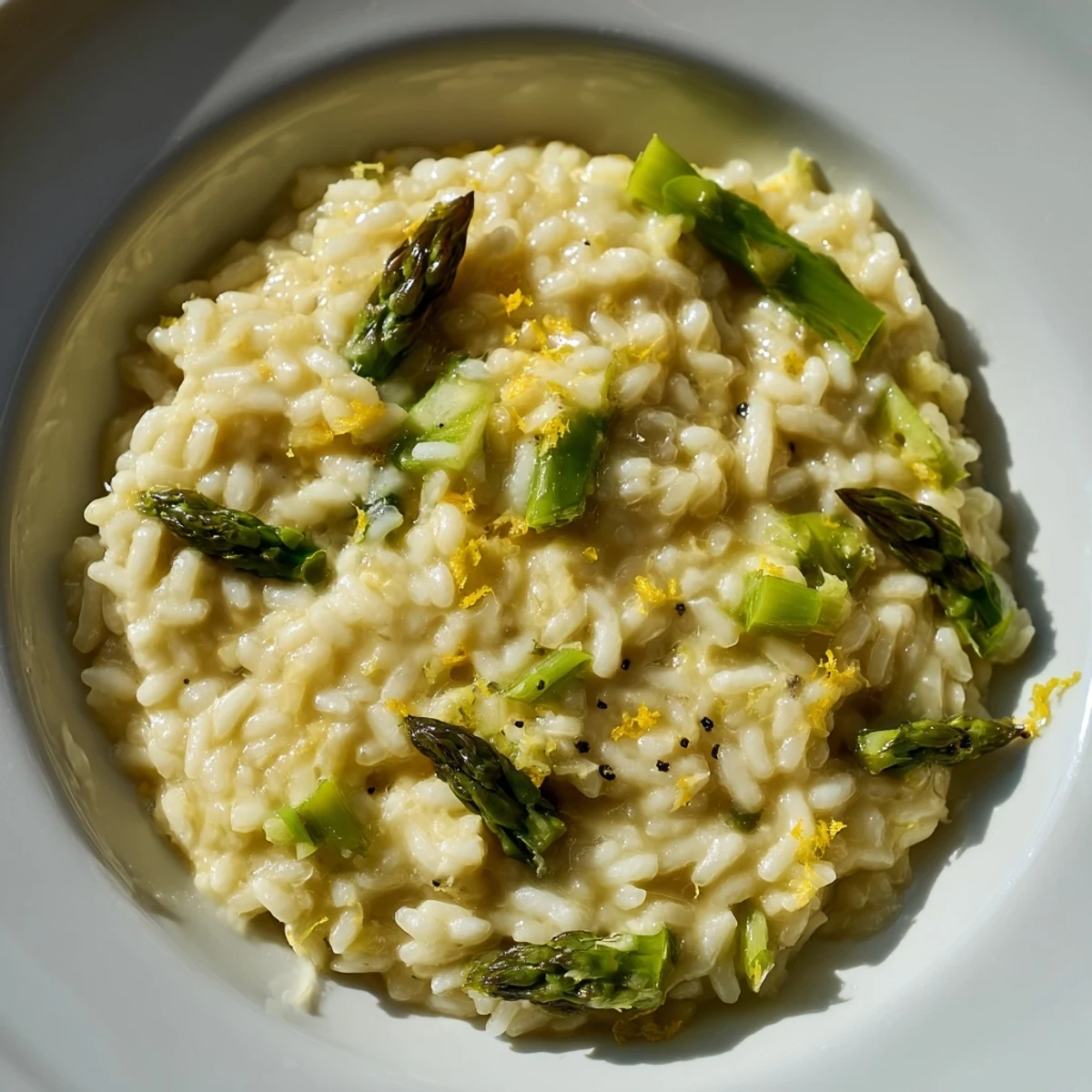
The difference between good risotto and great risotto comes down to that final texture—what Italians call all'onda because it should form gentle waves when you tilt the pan. You want rice suspended in a thickened emulsion, not a bowl of soup. I learned to stop cooking when the rice still has the tiniest white dot at the center—carryover cooking finishes it perfectly. And never wash arborio rice first—that starch on the surface is exactly what makes the magic happen.
Wine Pairings That Work
A crisp white wine that you used in the risotto creates a beautiful echo on the table—Pinot Grigio has the brightness to cut through the richness while complementing the asparagus. Sauvignon Blanc brings grassy notes that highlight the vegetables. If you prefer something slightly different, a dry Prosecco adds festive bubbles that feel perfect for special occasions. The key is staying with high acid whites rather than oaky Chardonnay, which can flatten the delicate flavors.
Making It Your Own
Once you've mastered the basic technique, this recipe becomes a canvas for seasonal vegetables and personal touches. I've made versions with sweet peas and mint in spring, wild mushrooms and thyme in fall, and even roasted butternut squash and sage when winter calls for comfort. The method stays the same—just adjust your additions based on what looks beautiful at the market. Some nights I add a splash of cream at the end, some nights I don't. That flexibility is what keeps risotto feeling fresh no matter how often you make it.
- Always taste your asparagus before blanching—thick stalks might need an extra minute while thin pencil spears could use less time
- If your risotto feels too thick before serving, add just one more ladle of broth rather than water to maintain the flavor intensity
- Leftovers actually make incredible arancini—form into balls, coat with breadcrumbs, and fry until golden and crisp outside
 Save
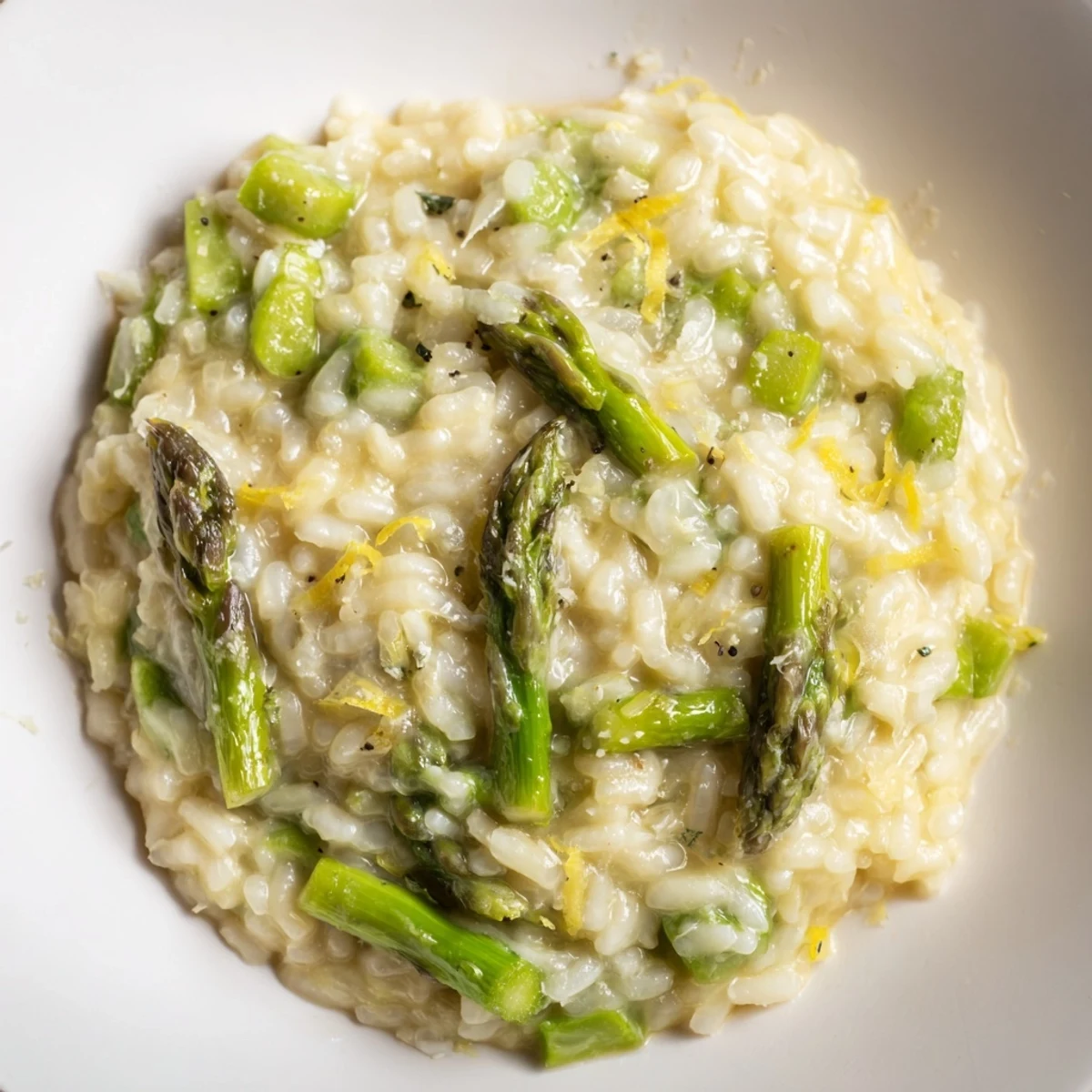
Save The first time I made this successfully, I stood at the stove for twenty minutes just stirring and thinking about how something so simple could feel so luxurious. Now whenever I need to make someone feel special—whether it's a partner, a friend, or even just myself on a quiet Friday—this is what I turn to. Sometimes the most romantic gesture is simply taking the time to cook something properly.
Recipe FAQs
- → How do I keep the asparagus tender and vibrant?
-
Blanch asparagus in boiling salted water for 2 minutes, then plunge into ice water to stop cooking and maintain its bright green color and crisp-tender texture.
- → What is the best way to cook the rice evenly?
-
Toast the Arborio rice briefly in butter and olive oil before gradually adding warm vegetable broth, stirring constantly to release starch and create a creamy texture.
- → Can I use a different vegetable broth?
-
Yes, using any high-quality vegetable broth helps infuse flavor while keeping the dish fresh and vegetarian-friendly.
- → What wine pairs well with this dish?
-
A crisp white wine such as Pinot Grigio or Sauvignon Blanc complements the creamy risotto and fresh asparagus beautifully.
- → How can I make the dish richer?
-
Add a splash of cream along with the final butter to enhance richness without overpowering the delicate asparagus flavor.