
 Save
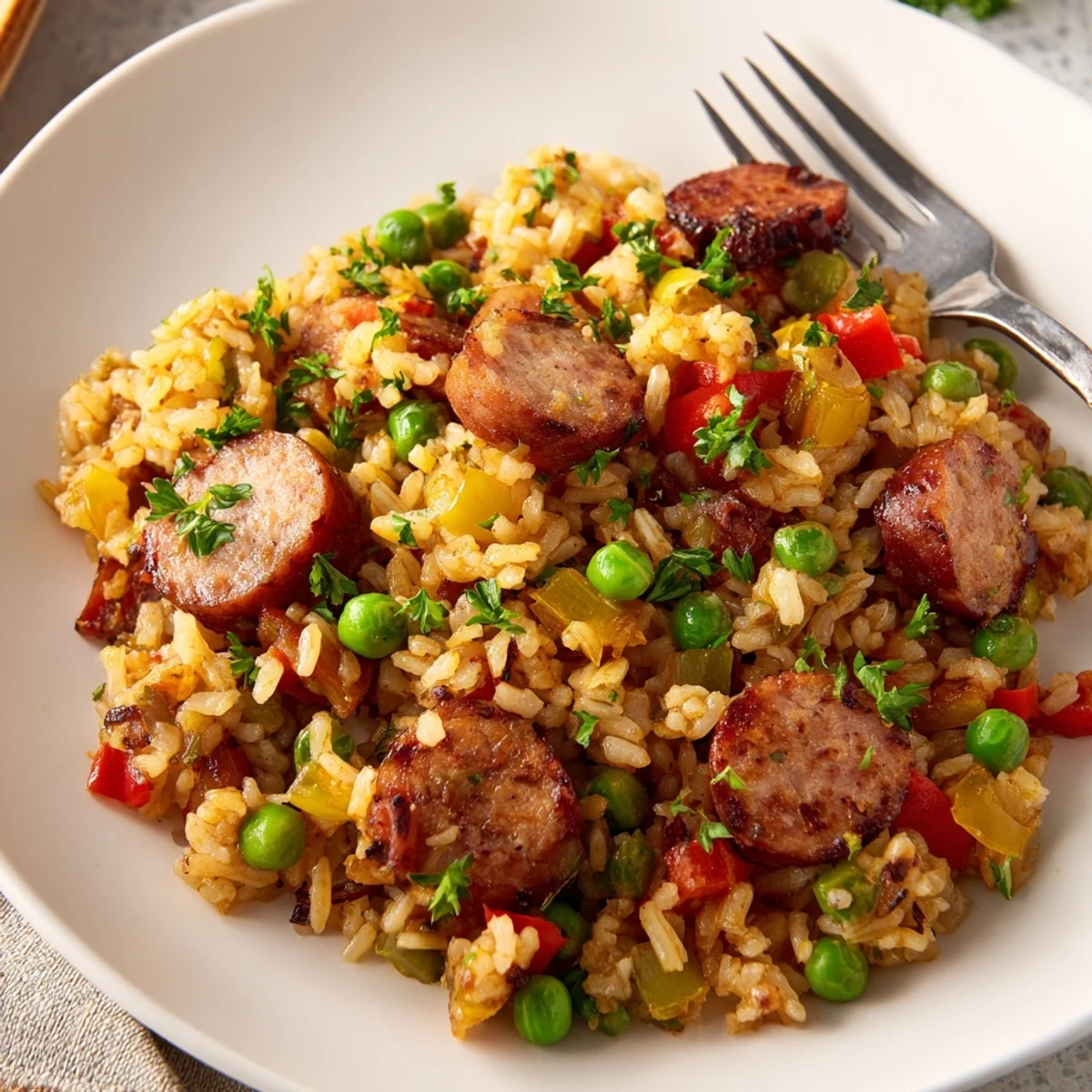
Save This satisfying one-pan dish transforms humble long-grain white rice into a golden, crispy masterpiece reminiscent of traditional Persian tahdig or Korean bibimbap bottoms. The rice develops a beautiful caramelized crust while absorbing smoky paprika, earthy thyme, and savory chicken broth flavors. Tender sliced chicken sausage provides protein and richness, while sweet red bell peppers and peas add color and freshness. The method involves toasting the rice in spices before simmering, then finishing uncovered to create that coveted crispy bottom layer. Perfect for busy weeknights when you want something comforting yet impressive.
The loud crackle of rice hitting a hot skillet on a Tuesday evening is one of those sounds that makes everyone wander into the kitchen asking when dinner will be ready.
My neighbor Dave knocked on my door one evening asking if I had any rice and ended up staying for dinner, forks in hand, standing over the skillet and scraping crunchy bits straight from the pan.
Ingredients
- 12 oz savory chicken sausage, sliced: Precooked sausage browns fast and adds deep savory flavor without needing extra seasoning.
- 1 cup long-grain white rice, rinsed: Rinsing removes surface starch so the grains stay separate and crisp up beautifully instead of turning gummy.
- 1 medium yellow onion, finely diced: Onion melts into the base and creates a sweet layer underneath the rice.
- 1 red bell pepper, diced: The sweetness and bright color balance the smoky paprika perfectly.
- 1 cup frozen peas, thawed: They add little bursts of freshness without any extra prep work.
- 2 cloves garlic, minced: Fresh garlic stirred in at the right moment gives you that aromatic punch without burning.
- 2 cups chicken broth: Broth instead of water is the simplest way to infuse flavor straight into every grain.
- 2 tbsp olive oil: You need enough fat to get that crust going and prevent sticking.
- 1 tsp smoked paprika: This is what gives the dish its warm, slightly smoky backbone.
- 1/2 tsp dried thyme: Thyme and chicken sausage are a natural pairing that elevates the whole skillet.
- 1/2 tsp ground black pepper: Freshly cracked makes a real difference here.
- 1/2 tsp kosher salt plus more to taste: Start conservative since the sausage and broth both bring salt.
- 2 tbsp fresh parsley, chopped: A handful at the end wakes everything up with color and freshness.
- Lemon wedges, optional: A squeeze of bright acid right before eating pulls all the flavors together.
Instructions
- Brown the sausage:
- Heat one tablespoon of olive oil in a large oven-safe skillet over medium-high heat until it shimmers. Add the sliced chicken sausage in a single layer and let it cook undisturbed for about two minutes per side until deeply golden, then remove to a plate.
- Soften the aromatics:
- Pour the remaining olive oil into the same skillet and add the diced onion and bell pepper. Cook for about four minutes, stirring occasionally, until the onion turns translucent and the pepper softens, then stir in the minced garlic for one minute until fragrant.
- Toast the rice:
- Add the rinsed rice, smoked paprika, thyme, black pepper, and salt directly to the skillet. Stir everything together for about two minutes so each grain gets coated in oil and the spices bloom and become fragrant.
- Simmer and steam:
- Pour in the chicken broth and bring the liquid to a bubbling simmer. Reduce the heat to low, cover with a tight-fitting lid, and let it cook undisturbed for fifteen minutes until the rice absorbs most of the liquid.
- Build the crispy crust:
- Uncover the skillet and scatter the thawed peas and reserved sausage evenly over the rice, pressing everything gently into the surface. Turn the heat up to medium-high and cook uncovered for eight to ten minutes, rotating the skillet occasionally, until you hear a crackling sound and the bottom develops a deep golden crust.
- Rest and serve:
- Remove the skillet from the heat and let it rest for five minutes so the rice firms up slightly. Sprinkle generously with fresh parsley and serve hot with lemon wedges on the side.
 Save
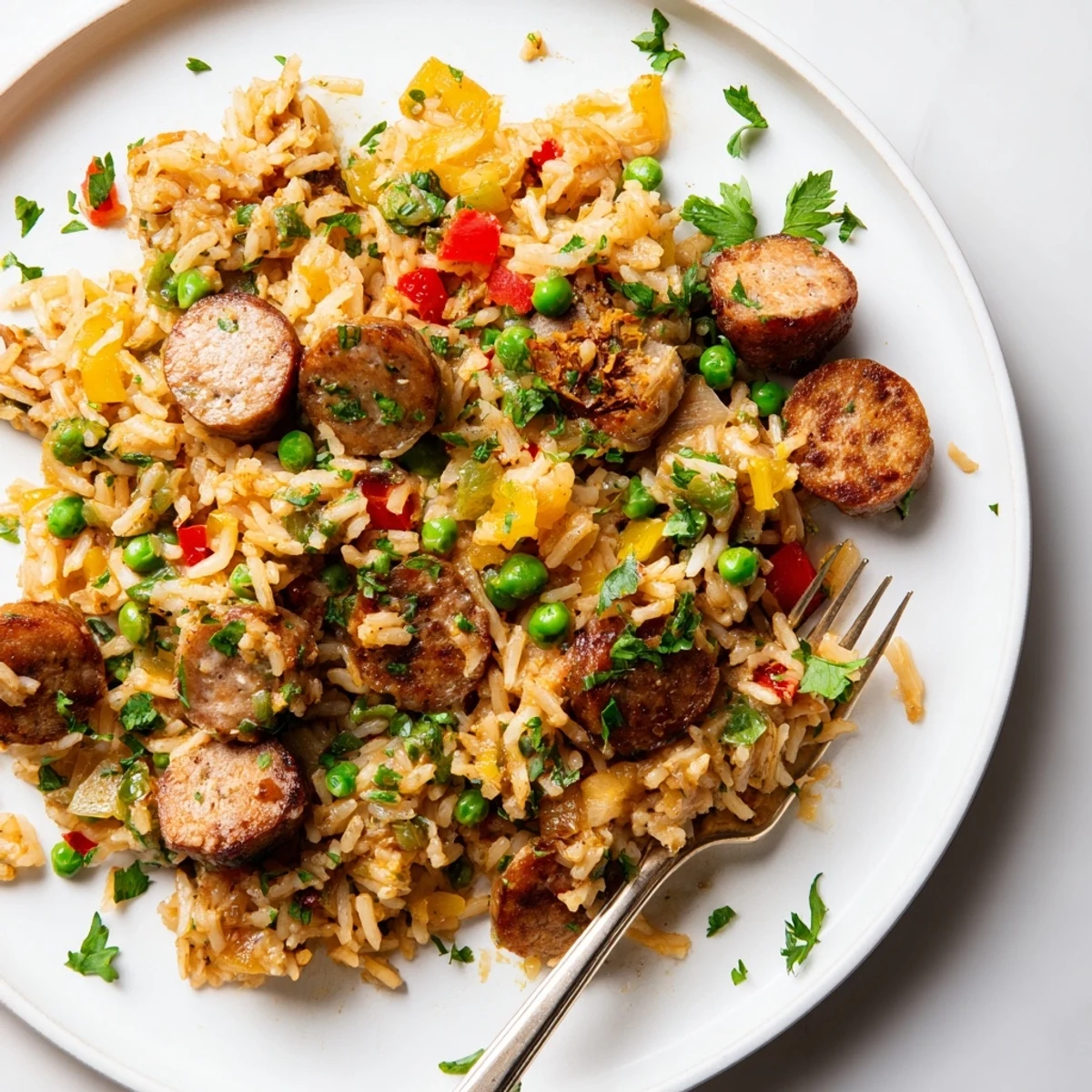
Save There is something deeply satisfying about sliding a spatula under that first wedge of crispy rice and hearing it crack.
Choosing the Right Skillet
A well-seasoned cast iron skillet is my first choice because it holds heat evenly and creates an impossibly golden crust with minimal sticking. Nonstick works in a pinch but you will not get quite the same depth of crunch on the bottom layer.
Making It Your Own
This recipe is endlessly flexible once you understand the basic technique of toasting rice and building a crust. Turkey sausage, plant-based links, or even leftover shredded chicken all work beautifully with the same method and timing.
Getting the Crust Right Every Time
The difference between good crispy rice and great crispy rice is patience during those final minutes on higher heat. Resist the urge to peek too often.
- Listen for a gentle sizzle that sounds like bacon frying softly in the background.
- Rotate the skillet a quarter turn every few minutes so the crust browns evenly across the entire surface.
- The rice is done when a spatula slides cleanly under a section and lifts it out in one golden piece.
 Save
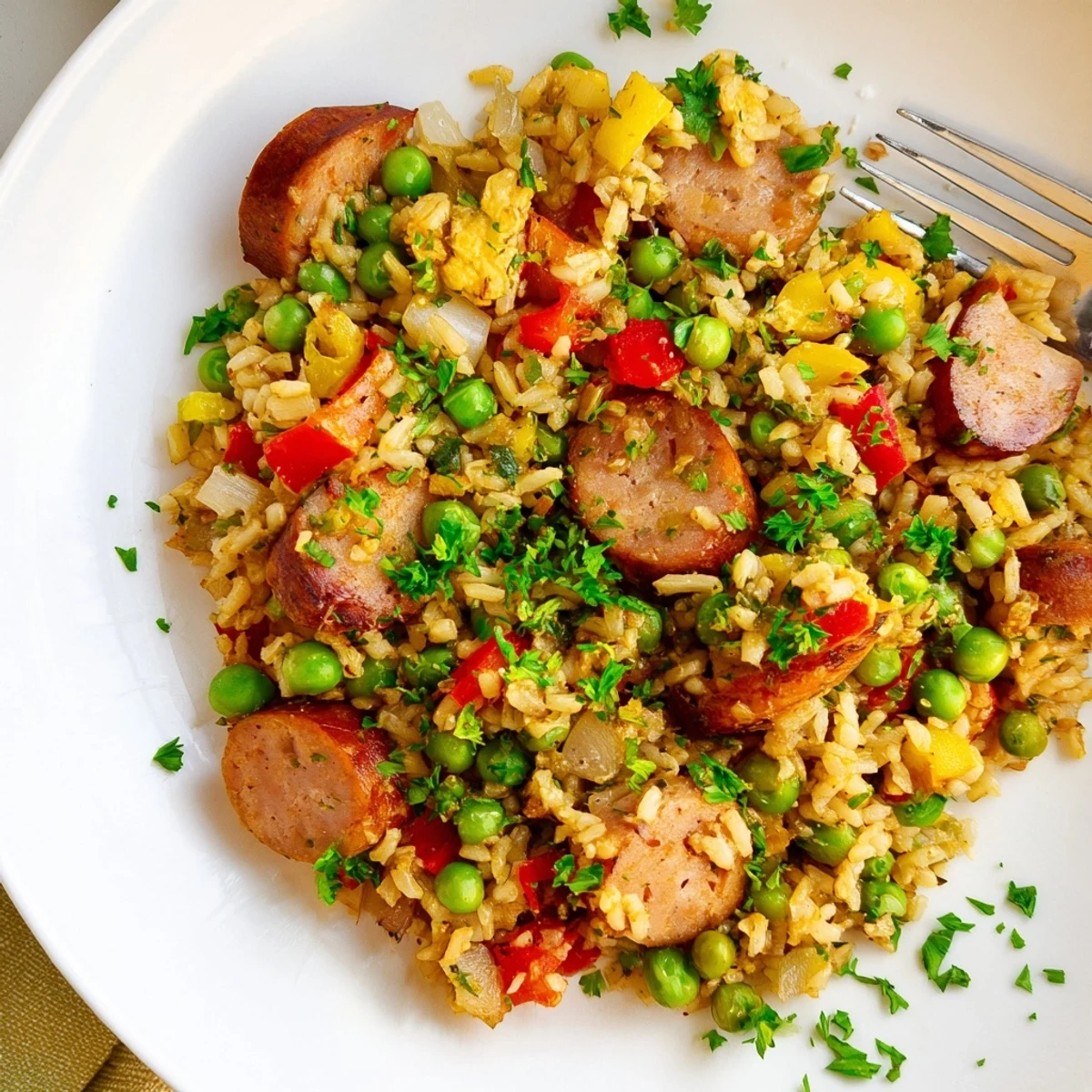
Save Share this straight from the skillet with big spoons and no pretense, because that is how food like this is meant to be enjoyed.
Recipe FAQs
- → What type of skillet works best for crispy rice?
-
A well-seasoned cast iron skillet or heavy-bottomed oven-safe skillet creates the best crispy crust. The even heat distribution allows the rice to develop a golden, caramelized bottom without burning. Nonstick skillets also work well and make serving easier.
- → Can I use brown rice instead of white?
-
Brown rice works but requires additional cooking time. Add about 15-20 minutes to the simmering stage and ensure you have enough liquid to fully cook the grains. The texture will be nuttier and chewier, though the crispy bottom may be less delicate than with white rice.
- → How do I know when the rice has formed a crispy crust?
-
Listen for a gentle sizzling sound during the final 8-10 minutes of cooking. You should detect a toasty aroma. Carefully lift the edge with a spatula to check—the bottom should be golden brown and have a satisfying crunch. If it's not ready, continue cooking in 2-minute increments.
- → Can I prepare this dish ahead of time?
-
While best served fresh for maximum crispiness, you can prep all ingredients in advance. Slice the sausage, dice vegetables, and measure spices. The actual cooking comes together quickly, making it feasible even on busy weeknights. Reheated leftovers will have a softer texture.
- → What other proteins can I substitute for chicken sausage?
-
Turkey sausage, andouille, chorizo, or plant-based sausage all work beautifully. For a vegetarian version, try cubed extra-firm tofu or chickpeas, though you may want to increase the smoked paprika and add a splash of soy sauce to maintain savory depth.
- → Why is it important to rinse the rice before cooking?
-
Rinsing removes excess starch from the rice grains, preventing them from becoming gummy or sticky. This step helps the individual grains stay separate and promotes better crisping on the bottom of the pan. Rinse until the water runs mostly clear.