 Save
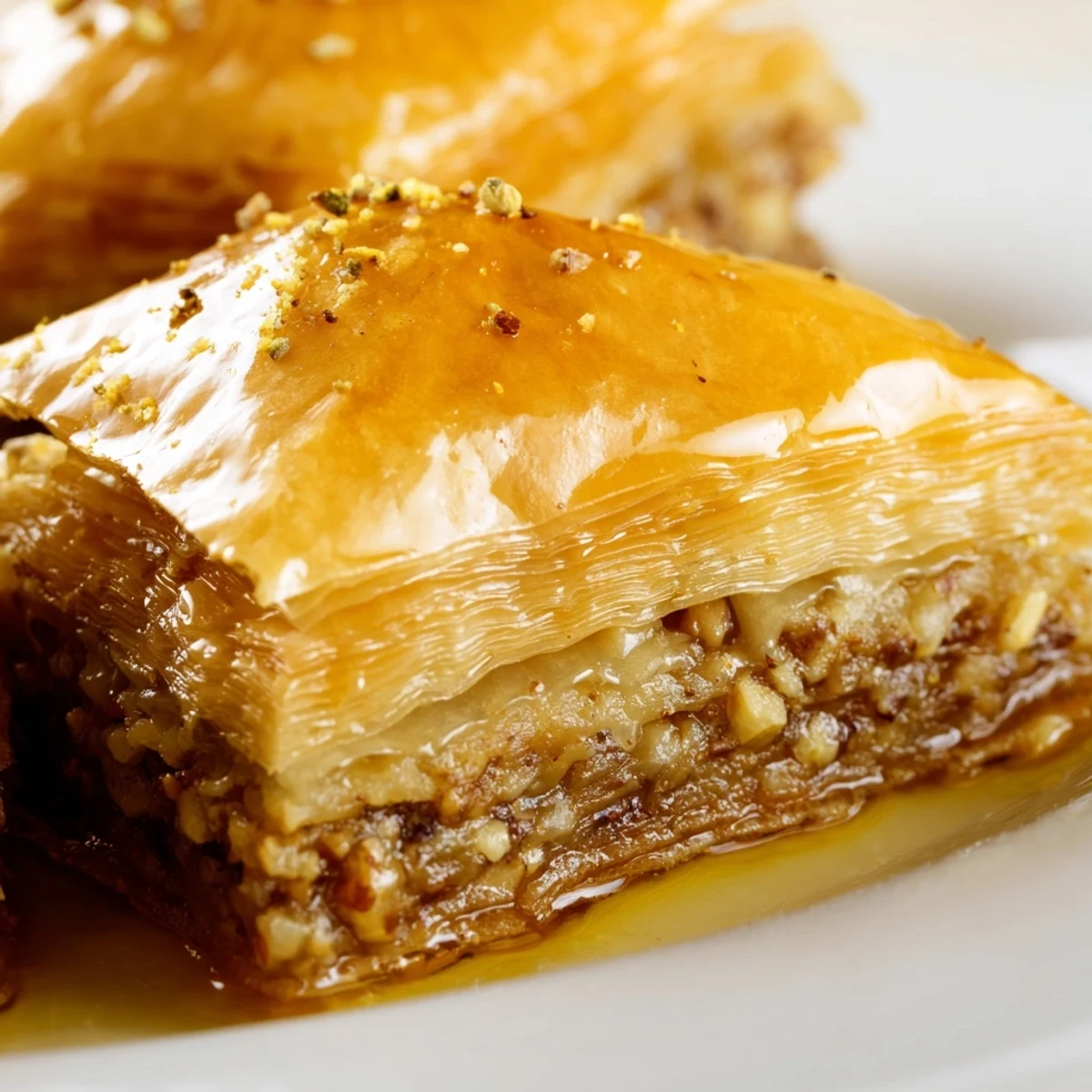
Save This traditional Bosnian pastry features delicate phyllo dough layered with a aromatic blend of walnuts, almonds, and pistachios seasoned with cinnamon and cloves. After baking to golden perfection, hot honey syrup infused with lemon and rose water is poured over the crisp layers, creating that signature sweet and sticky texture Bosnian desserts are known for.
The process involves brushing each phyllo sheet with melted butter, alternating with nut filling, then cutting into diamonds before baking. The key is pouring hot syrup over hot pastry immediately after baking for maximum absorption. Best enjoyed the next day when flavors have fully melded.
My grandmother's hands moved so fast with phyllo that I couldn't follow them, always tearing the delicate sheets when I tried to help. She would laugh and say the cracks are where the syrup finds its way home. Now I understand that making Bosnian baklava isn't about perfection, it's about the rhythm of butter, nuts, and patience that transforms simple ingredients into something layered and golden.
Last Eid, my neighbor called me over at midnight because her baklava wasn't setting right. We sat at her kitchen table eating the slightly soggy pieces with tea, laughing about how even the mistakes taste like tradition. That's the thing about this dessert, it brings people together before it even reaches the serving platter.
Ingredients
- 500 g phyllo dough: Keep it covered with a damp towel while working because dried out sheets will crack and frustrate you endlessly
- 250 g walnuts: The earthy backbone that grounds all that sweetness, pulse them yourself for the freshest flavor
- 100 g almonds: Adds a subtle sweetness and different texture that makes each bite interesting
- 100 g pistachios: Optional but they add beautiful color spots and a slight floral note that complements the rose water
- 100 g sugar: Distributes evenly through the nuts, ensuring every layer has just enough sweetness without being cloying
- 1 tsp ground cinnamon: Warm spice that ties all the nuts together and makes your kitchen smell incredible
- 1/4 tsp ground cloves: Just a hint adds depth and mystery, but skip if you prefer a lighter flavor profile
- 250 g unsalted butter: The essential fat that creates those signature flaky layers, melt it completely and keep it warm for easy brushing
- 400 g sugar for syrup: This seems like a lot but it's necessary to properly soak through all those layers and preserve the pastry
- 250 ml water: Creates the syrup base and helps dissolve the sugar completely
- 100 ml honey: Adds floral complexity and helps the syrup achieve that perfect glossy finish
- 1/2 lemon juice: Cuts through the sugar intensity and prevents crystallization, plus it brightens the whole dessert
- 1 tbsp rose water: The secret ingredient that makes this distinctly Bosnian, though orange blossom water works beautifully too
Instructions
- Get everything ready first:
- Preheat your oven to 180°C (350°F) and brush your 23x33 cm baking pan generously with melted butter. Clear a large workspace and cover your phyllo with a barely damp towel the moment you open the package.
- Mix the filling:
- Combine all the nuts with sugar, cinnamon, and cloves in a large bowl. The mixture should be evenly blended so every layer gets the same balance of flavors.
- Start the foundation:
- Lay your first phyllo sheet in the pan, letting the excess hang over the edges. Brush it lightly with melted butter, then repeat until you have 6 to 8 buttered sheets stacked.
- Add the first nut layer:
- Sprinkle exactly one third of your nut mixture over the phyllo, spreading it evenly to the corners. Press down gently so the nuts settle into the butter.
- Build more layers:
- Add another 4 or 5 sheets of phyllo, buttering each one, then add another third of the nuts. Repeat this pattern until all the nuts are used.
- Finish the top:
- Layer your remaining phyllo sheets, buttering each one including the very top. The top layer should be smooth and even since it's what everyone will see.
- Cut before baking:
- Use your sharpest knife to cut the baklava into diamonds or squares, cutting all the way through to the bottom. This is crucial because cutting after baking will crush all your careful layers.
- Bake until golden:
- Bake for 35 to 40 minutes until the top is deeply golden and the edges pull away slightly from the pan. The smell should be incredible, with butter and toasted nuts filling your kitchen.
- Make the syrup:
- While the baklava bakes, boil sugar, water, and lemon juice for 8 to 10 minutes until slightly thickened. Remove from heat and stir in honey and rose water immediately.
- The most important step:
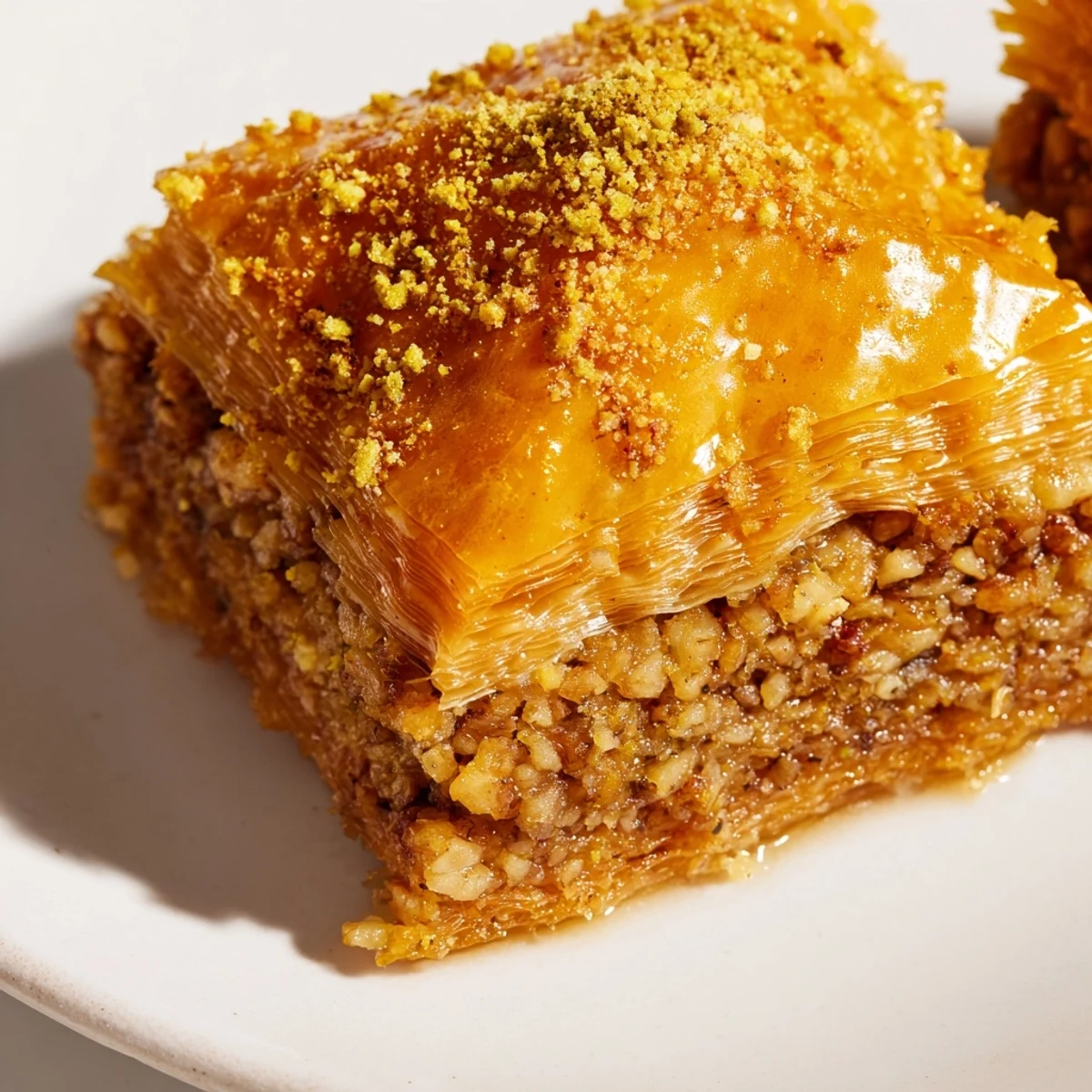
- Pour the hot syrup evenly over the hot baklava the moment it comes out of the oven. You'll hear it sizzling, which means it's working its way into every single layer. Let it cool completely, at least 4 hours but preferably overnight.
 Save
Save I brought this to a potluck once and a Turkish grandmother grabbed my arm to ask where my family was from. When I told her I learned it from YouTube, she looked at me with such disbelief and then hugged me and said the food tells the truth. That's when I knew I had gotten the recipe right.
Making Ahead For Best Results
Baklava genuinely improves after 24 hours as the syrup fully penetrates every layer and the flavors meld together. I always make it the day before serving, covering it tightly once completely cool, and it tastes even more luxurious the next day.
Working With Phyllo Without Tears
If a sheet tears, don't panic, just patch it with another piece or overlap it slightly and no one will ever know. The key is working quickly but calmly, keeping your unused sheets covered, and accepting that this is a forgiving dessert despite its delicate appearance.
Serving And Storage Secrets
Serve these at room temperature when the texture is at its absolute best, paired with strong black coffee or tea to cut through the richness. Store in an airtight container with parchment paper between layers if you need to stack them, and they will stay perfectly crisp for up to a week.
- Use a sharp knife dipped in hot water to cut clean portions without dragging
- Let it come to room temperature before serving for the most pleasant texture experience
- Never refrigerate baklava as it makes the phyllo tough and loses that signature shattering crunch
 Save
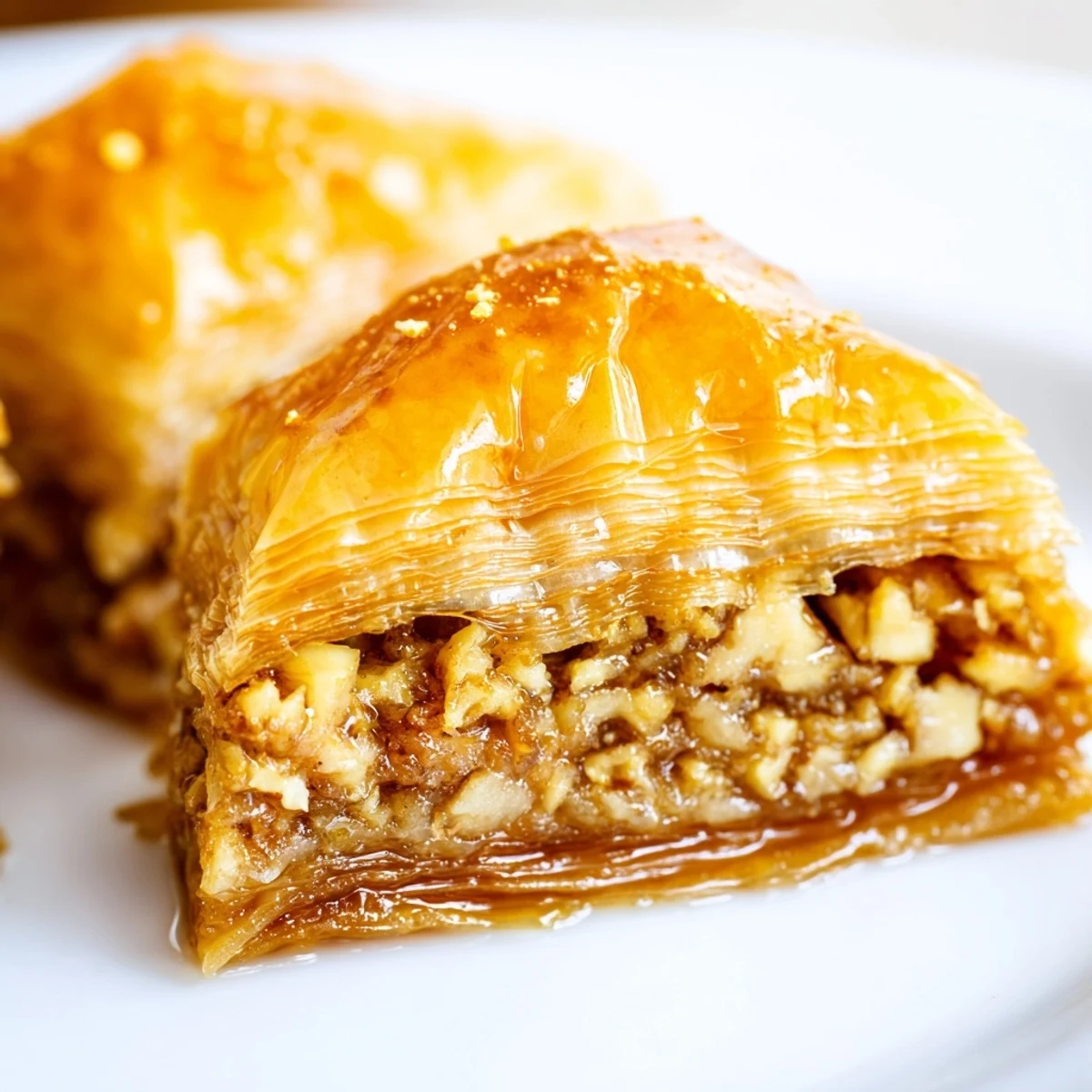
Save There is something profoundly satisfying about cutting through that first piece and hearing the crisp snap, knowing you created dozens of delicate layers from scratch. May your kitchen always smell like butter and toasted nuts.
Recipe FAQs
- → Can I make baklava ahead of time?
-
Yes, baklava actually improves with time. Making it a day ahead allows the syrup to fully penetrate all layers, resulting in a moister, more flavorful pastry. Store in an airtight container at room temperature for up to a week.
- → What nuts work best in Bosnian baklava?
-
Walnuts are the traditional choice, often combined with almonds. Pistachios add lovely color and flavor but can be substituted with more walnuts or hazelnuts based on preference. All nuts should be finely chopped for even distribution.
- → Why does the syrup need to be hot when pouring?
-
Pouring hot syrup over hot pastry ensures optimal absorption. The heat helps the syrup penetrate the crisp layers rather than pooling on top. This technique is crucial for achieving the characteristic moist yet layered texture.
- → Can I freeze baklava?
-
Yes, freeze before adding syrup. Wrap tightly and freeze for up to 3 months. When ready to serve, thaw, then warm slightly and pour freshly made hot syrup over the pieces. Freezing after syrup application may make the pastry soggy.
- → What's the difference between Bosnian and Greek baklava?
-
Bosnian baklava typically features more layers of thinner phyllo and often uses rose water or orange blossom water in the syrup. The nut mixture leans heavily on walnuts, while Greek versions often emphasize pistachios. Both share the same fundamental technique.
- → How do I prevent phyllo from drying out?
-
Keep unused phyllo covered with a slightly damp cloth while working. Work quickly but carefully, and always cover the stack immediately after removing sheets. If sheets crack, they can still be used in middle layers where appearance matters less.