
 Save
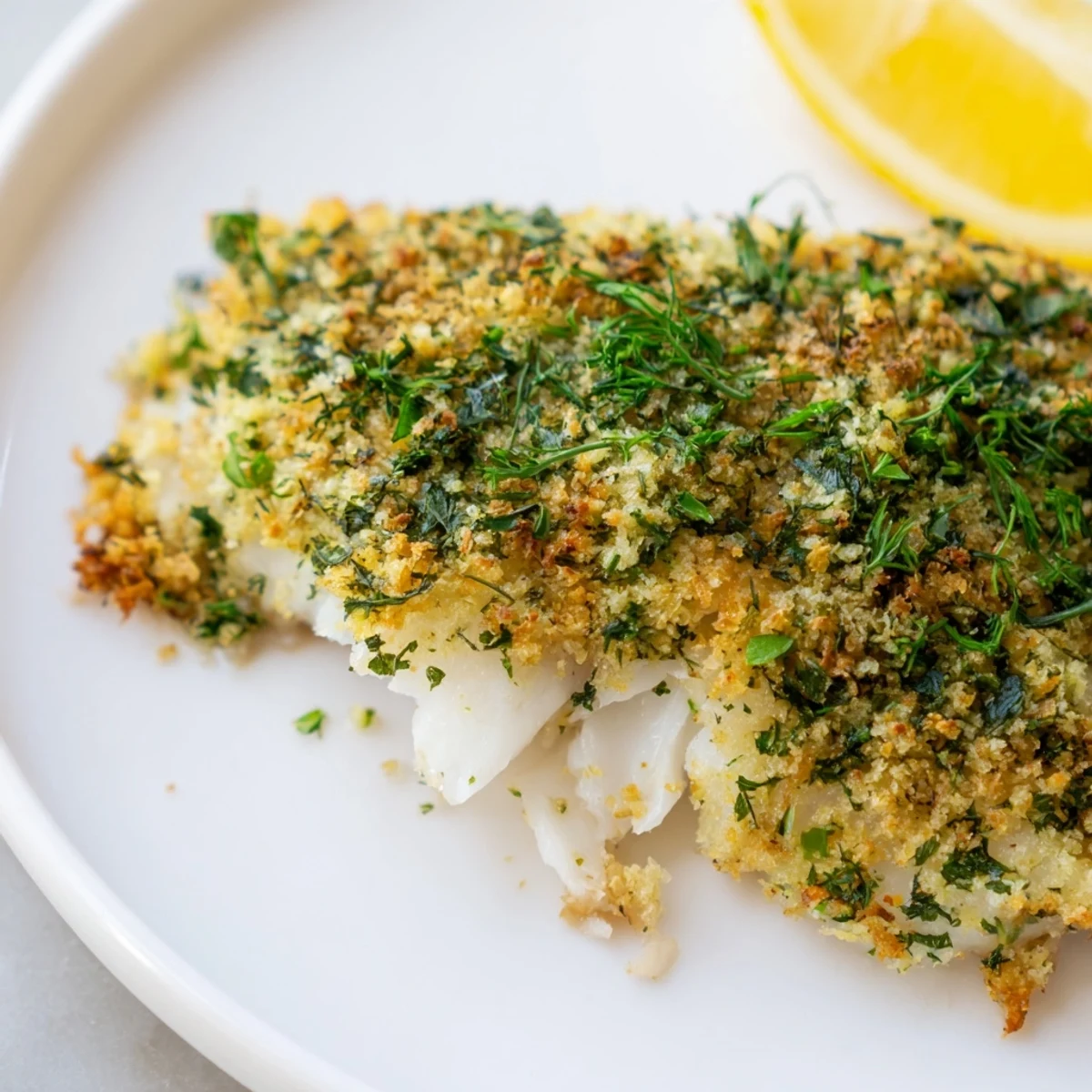
Save This dish features tender hake fillets coated with a flavorful herb crust made from fresh parsley, dill, chives, and lemon zest. The fish is baked until golden, delivering a delicate balance of refreshing citrus and aromatic herbs. Quick to prepare and perfect for a nutritious dinner, it pairs well with roasted potatoes or steamed greens. Simple techniques highlight the freshness of the ingredients while keeping the meal light and satisfying.
Last Tuesday, standing at the fish counter while rain tapped against the grocery store windows, I watched the hake fillets gleaming under pale fluorescent lights. Something about their snowy white promise felt exactly right for a night when cooking needed to be simple but not boring. The fishmonger mentioned how beautifully hake takes to herbs, and by the time I reached home with my paper-wrapped parcel, I already had this lemon and herb crust forming in my mind. Sometimes the most unassuming ingredients become the ones that save a weekday evening from feeling like just another dinner.
My friend Sarah dropped by unexpected last month, the kind of visit where you scramble to put something respectable on the table. I pulled these hake fillets from the fridge, tossed herbs and crumbs together in a panic, and slid everything into the oven. We ended up eating standing up in the kitchen, forks in hand, while she kept asking what I had done to make ordinary fish taste so special. The secret was just the bright freshness hitting that mild sweetness of hake, but let her think it was culinary magic.
Ingredients
- 4 hake fillets (about 150 g each), skinless and boneless: Choose fillets that look translucent and firm to the touch. They should smell clean, like the ocean, never fishy. Pat them incredibly dry before anything else because moisture is the enemy of a good crust.
- 60 g fresh breadcrumbs: Make these yourself by pulsing day-old bread in a food processor. Storebought crumbs work in a pinch, but fresh ones absorb the olive oil and herbs so much better, giving you that perfect sandy texture.
- 2 tbsp fresh parsley, finely chopped: Flat-leaf parsley brings this grassy brightness that cuts through the richness. Fresh herbs make all the difference here because dried ones would turn the crust dusty instead of vibrant.
- 1 tbsp fresh dill, finely chopped: Dill has this sweet, anise-like quality that pairs so naturally with fish. If you can only find dried dill, use half the amount and let it sit in the oil for a few minutes to rehydrate.
- 1 tbsp fresh chives, finely chopped: These add a gentle onion flavor that is not too sharp. Snip them with scissors rather than chopping to avoid bruising the delicate hollow stems.
- Zest of 1 lemon: Zest the lemon before you juice it, pressing gently to avoid the bitter white pith. This is where all the aromatic oils live, and they transform the crust from merely herby to something that really sings.
- 1 clove garlic, minced: Mince the garlic finely so it distributes evenly through the crumbs. You want the flavor there, not raw chunks that will overpower the delicate fish.
- 2 tbsp olive oil: This binds everything together and helps the crust get golden. Do not be tempted to add more oil or the crumbs will turn soggy instead of crisp.
- Salt and freshly ground black pepper, to taste: The crumbs need a generous pinch of salt because the fish itself is so mild. Grind the pepper fresh to release those aromatic oils.
- Lemon wedges: Serve these alongside for squeezing over right before eating. The acid wakes up everything on the plate.
Instructions
- Heat things up properly:
- Preheat your oven to 200°C (400°F) and line a baking tray with parchment paper. The parchment saves you from scrubbing later and helps lift the fillets off without tearing that delicate crust.
- Prep the fish for success:
- Pat the hake fillets completely dry with paper towels, then arrange them on your prepared tray. Any moisture on the surface will prevent the crust from sticking, so be thorough about this step.
- Build the flavor base:
- In a medium bowl, combine the breadcrumbs with your parsley, dill, and chives. Add the lemon zest and minced garlic, then pour in the olive oil. Mix thoroughly until every crumb is evenly coated and the mixture feels like damp sand.
- Season the crust mixture:
- Add salt and pepper to taste, then give it one final mix. Remember you can always add more later, but you cannot take it back once it is on the fish.
- Top the fillets:
- Press the herb crumb mixture evenly over the top of each hake fillet, using your fingers to gently press and help it adhere. Do not pack it down too tightly or the steam from the fish will not escape and the crust will get soggy.
- Bake until golden:
- Slide the tray into the oven for 18 to 20 minutes. You want the crust deeply golden and the fish to flake easily when you test it with a fork. The smell filling your kitchen will tell you when it is almost done.
- Serve it up:
- Let the fillets rest for just a minute on the tray, then serve them immediately with the lemon wedges alongside. Everyone loves the little bit of ritual when they squeeze their own lemon over the fish.
 Save
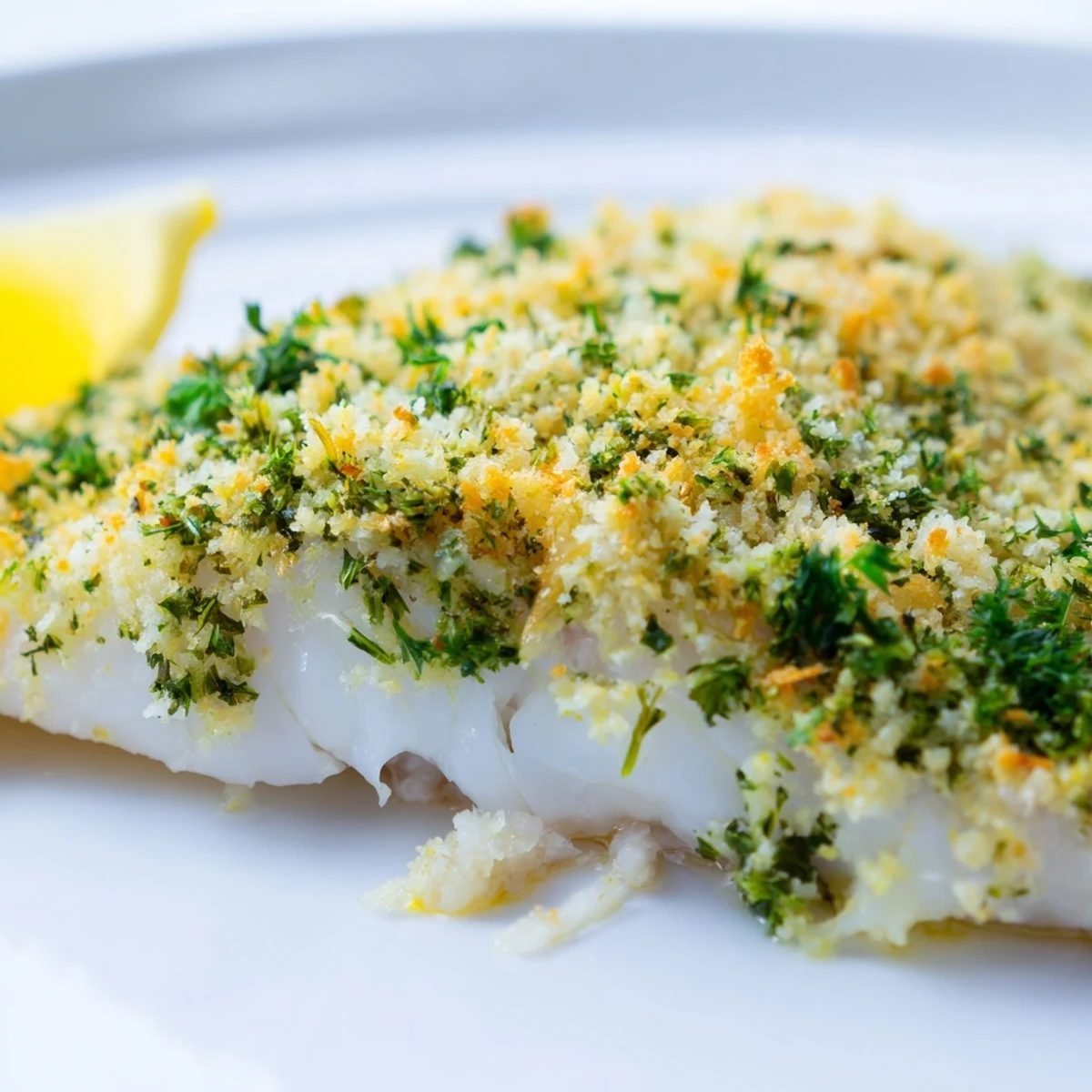
Save This recipe became a regular in my rotation after a particularly stressful work week when I needed food that felt nourishing without demanding hours of attention. There is something almost meditative about pressing those herbed crumbs onto mild white fish, watching them transform into something golden and comforting in the oven. Now it is my go-to when I want dinner to feel special without feeling like a project.
Choosing and Storing Hake
Hake is often overlooked in favor of cod or haddock, but its sweetness and flaky texture make it perfect for herb crusts. Look for fillets that are translucent and firm, and use them the same day you buy them if possible. If you need to store them, pat them dry, wrap them tightly in plastic, and keep them in the coldest part of your fridge for no more than 24 hours.
Making the Dish Your Own
Sometimes I swap the herbs based on what is languishing in the refrigerator. Fresh basil works beautifully in summer, or try tarragon for a lovely anise note that feels very French. A tablespoon of grated Parmesan added to the crumb mixture creates a savory version that feels entirely different but just as delicious.
Perfect Sides for a Complete Meal
Keep the sides simple so the fish remains the star. Steamed green beans with a squeeze of lemon, some roasted new potatoes tossed with parsley, or even a crisp arugula salad with a light vinaigrette all work beautifully. You want something fresh to balance the warm, herb-crusted fish.
- Roasted cherry tomatoes burst in your mouth and add lovely acidity against the mild fish
- A simple white wine and butter sauce brings a bit of restaurant luxury to the plate
- Crushed boiled potatoes with olive oil and fresh parsley feel rustic and satisfying
 Save
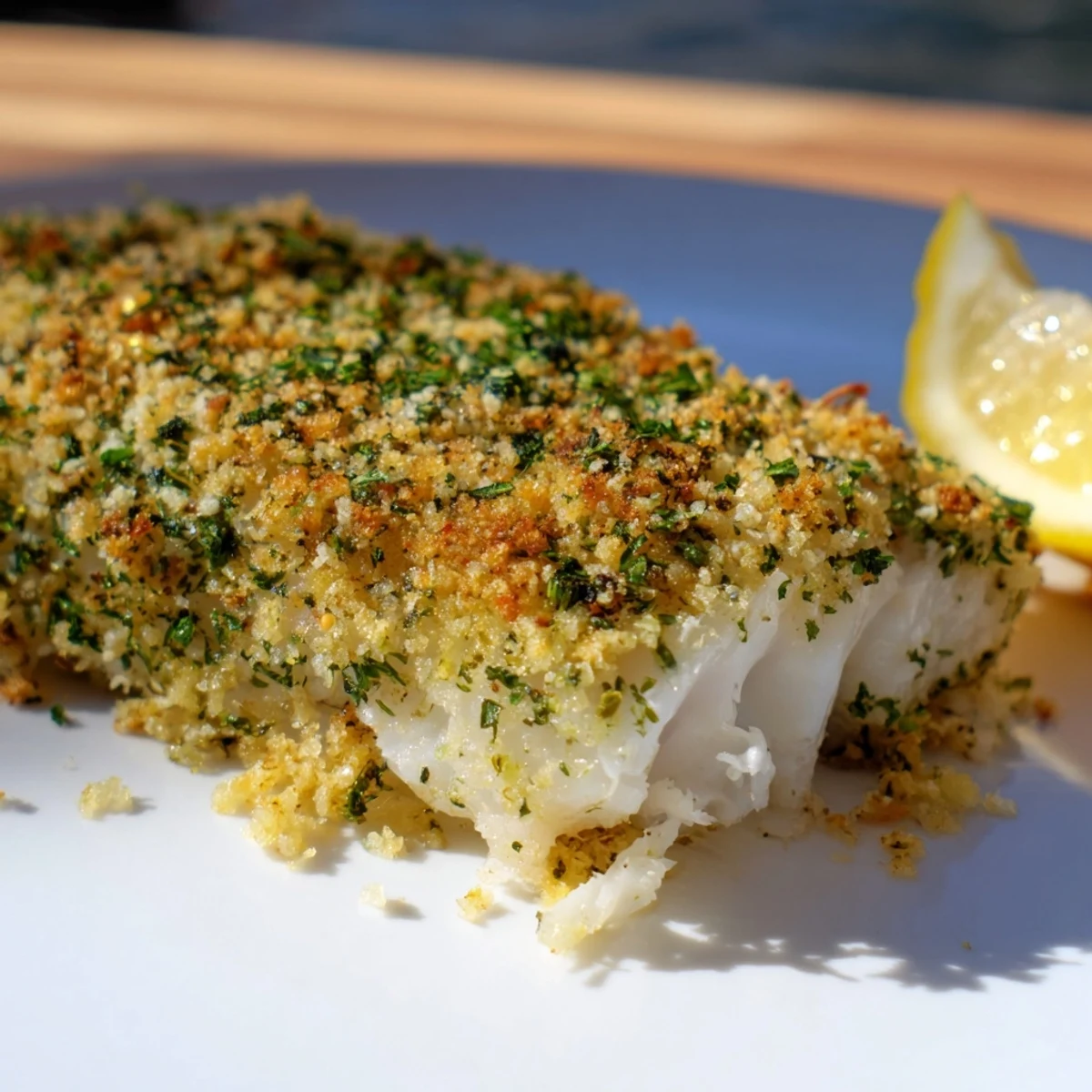
Save There is quiet satisfaction in a dinner that looks impressive but comes together with such ease. This hake has become that recipe I return to whenever I need food that feels like a small act of care.
Recipe FAQs
- → Can I substitute the hake fillets?
-
Yes, cod or haddock can be used as alternatives, offering similar texture and mild flavor suited to the herb crust.
- → How do I make this dish gluten-free?
-
Replace the regular breadcrumbs with gluten-free alternatives to accommodate gluten-free dietary needs without losing the crust's crispiness.
- → What sides complement this dish well?
-
Steamed green beans, roasted potatoes, or a fresh salad make excellent accompaniments, balancing the zesty flavors of the fish.
- → Can I add spice to the herb crust?
-
Absolutely, a pinch of chili flakes mixed into the herb crust adds a subtle heat that enhances the flavor profile.
- → What is the best way to ensure the crust sticks to the fish?
-
Press the herb and breadcrumb mixture firmly and evenly over the fillets before baking to help it adhere well during cooking.
- → Is it necessary to remove skin and bones from the fillets?
-
Skinless, boneless fillets are recommended for a tender texture and ease of eating, ensuring the herb crust evenly coats the fish.