
 Save
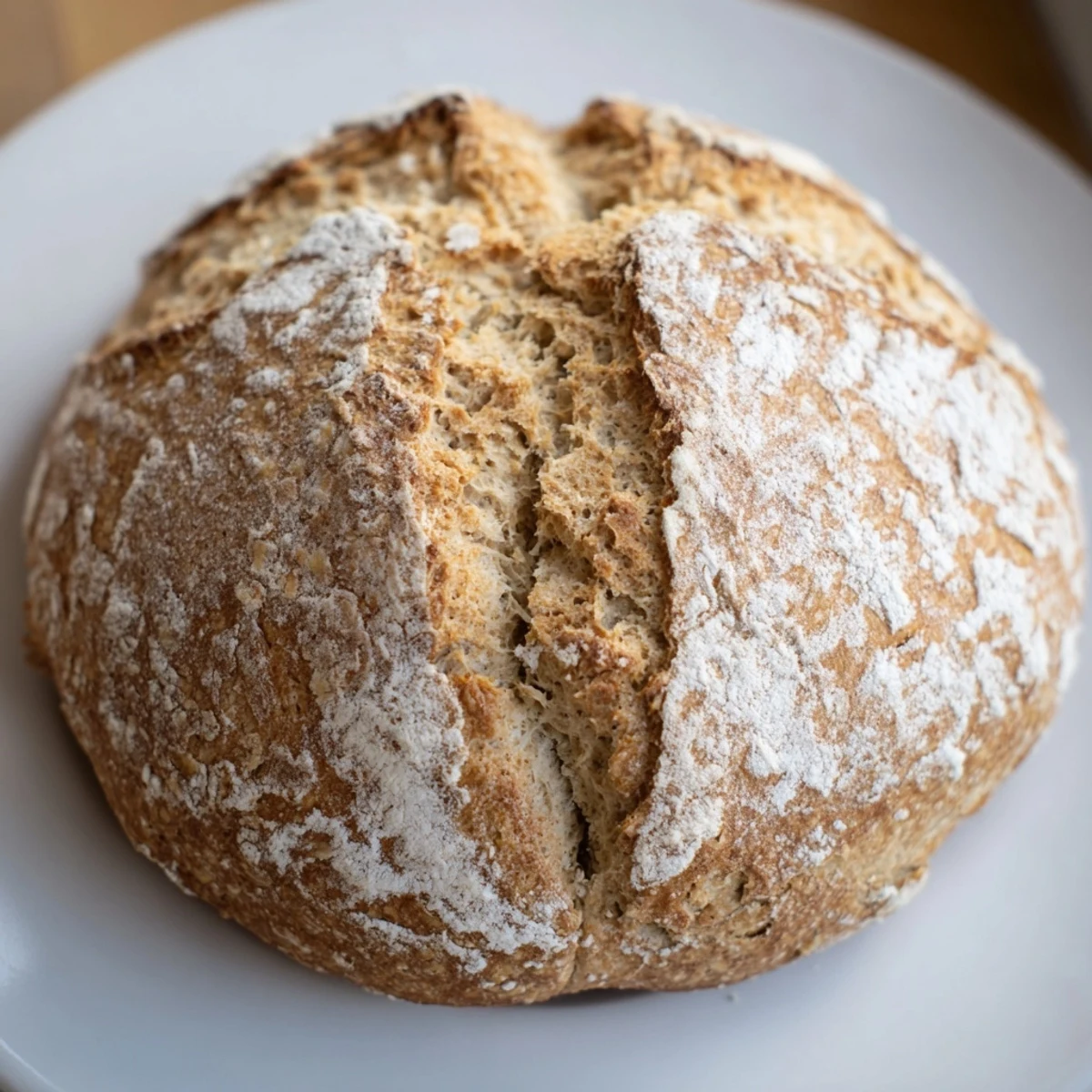
Save This traditional Irish soda bread combines four simple ingredients—flour, baking soda, salt, and buttermilk—into a rustic loaf with a golden crust and tender crumb. Quick to prepare and bake, it’s perfect for breakfast or paired with hearty stews. The dough is gently kneaded and shaped, then baked until golden and hollow-sounding when tapped. Variations include substituting part of the flour with whole wheat for added flavor. Serve warm with butter or jam for a comforting treat.
My kitchen still smells like that rainy Tuesday when I finally attempted the soda bread my grandmother swore anyone could make. The chemistry fascinated me—how baking soda and buttermilk could create such magic without yeast. Four ingredients. Forty-five minutes. One steaming, golden loaf that disappeared before it even had time to properly cool.
I once made three loaves in a single week because my roommate kept 'accidentally' finishing them. The way the knife crunches through that hardened top layer never gets old. We ate it warm with butter, we ate it with soup, we ate it standing over the counter just because it was there.
Ingredients
- All-purpose flour: The foundation of that tender crumb—whole wheat adds nice character if you want extra heartiness
- Baking soda: Your rising agent—make sure its fresh or your bread wont achieve proper loft
- Fine sea salt: Enhances all the flavors and balances the buttermilks tang
- Buttermilk: The acidic partner that activates the baking soda and creates those beautiful air pockets
Instructions
- Get your oven ready:
- Crank it to 425°F and line your baking sheet—this bread needs immediate high heat
- Whisk the dry foundation:
- Combine flour baking soda and salt until everything is evenly distributed
- Create the well:
- Pour buttermilk into the center and stir gently until you see a shaggy dough forming
- Bring it together gently:
- Turn onto a floured surface and barely knead—overworking makes it tough
- Shape and score:
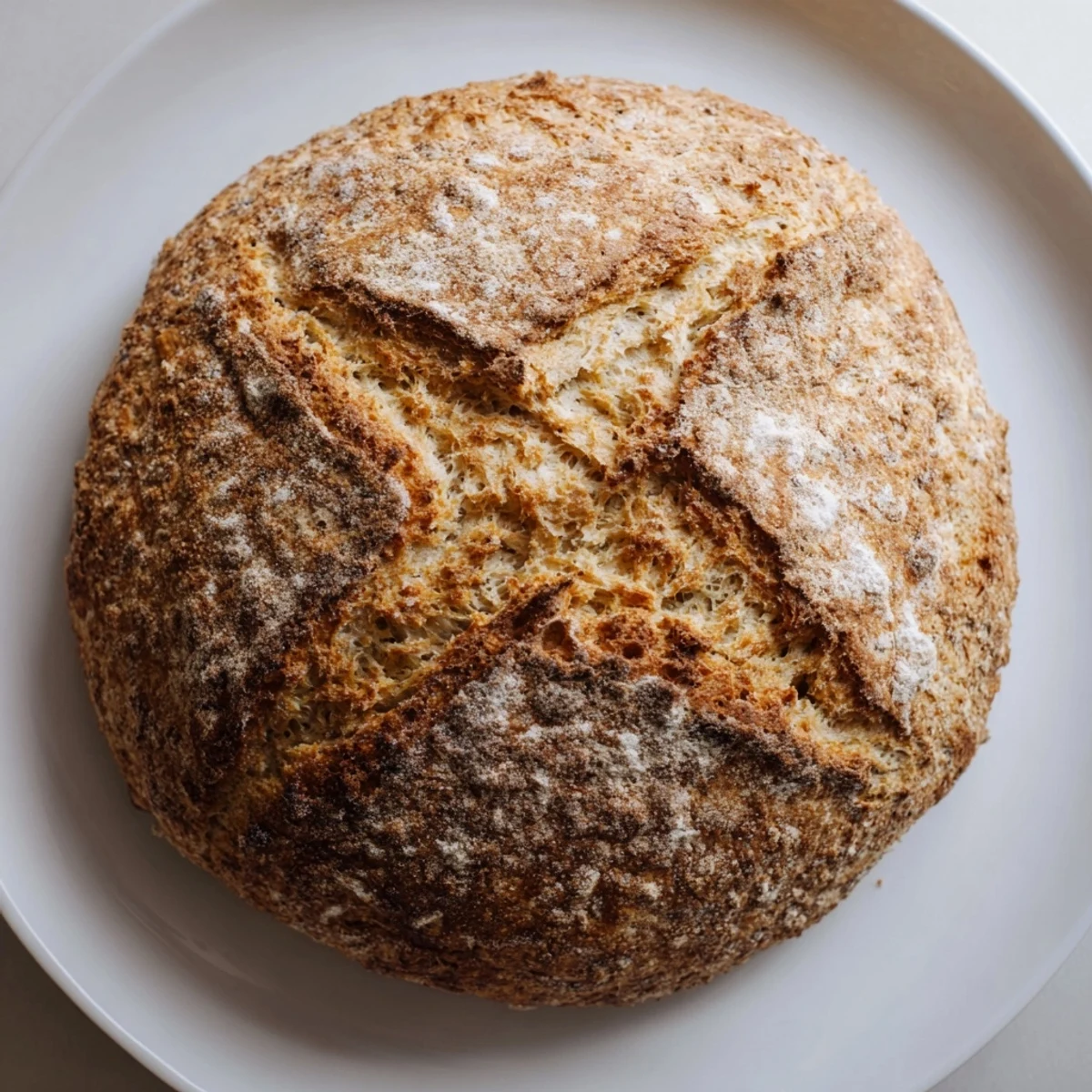
- Form a round flat loaf and cut a deep X across the top to help it bake evenly
- Bake until golden:
- Thirty to thirty-five minutes until the bottom sounds hollow when tapped
- Patience pays off:
- Let it cool for thirty minutes—slicing too early ruins the texture inside
 Save
Save Something magical happens when you cut that X into the dough. The bread blooms in the oven opening up just right. My grandmother always said it was letting the fairies out but I think its just beautiful chemistry.
The Buttermilk Secret
If you are without buttermilk do not panic. Regular milk mixed with vinegar or lemon juice creates the same acidic reaction. Let it sit for five minutes until it thickens slightly. Your bread will never know the difference.
Storage Wisdom
Soda bread has a shorter life than yeast breads but that is part of its charm. Eat it within a day or two for best texture. Wrap it in a clean kitchen towel rather than plastic—this keeps the crust from getting soggy while the interior stays tender.
Serving Ideas
This bread shines at breakfast warm from the oven. Toast leftover slices and top with salted butter and your favorite jam. It also pairs perfectly with hearty stews and soups—its sturdy enough to dip but tender enough to enjoy on its own.
- To refresh day-old bread warm it in a 350°F oven for 10 minutes
- Freeze extra loaves wrapped tightly in plastic and foil for up to three months
- Try swapping in whole wheat flour for half the all-purpose for nutty depth
 Save
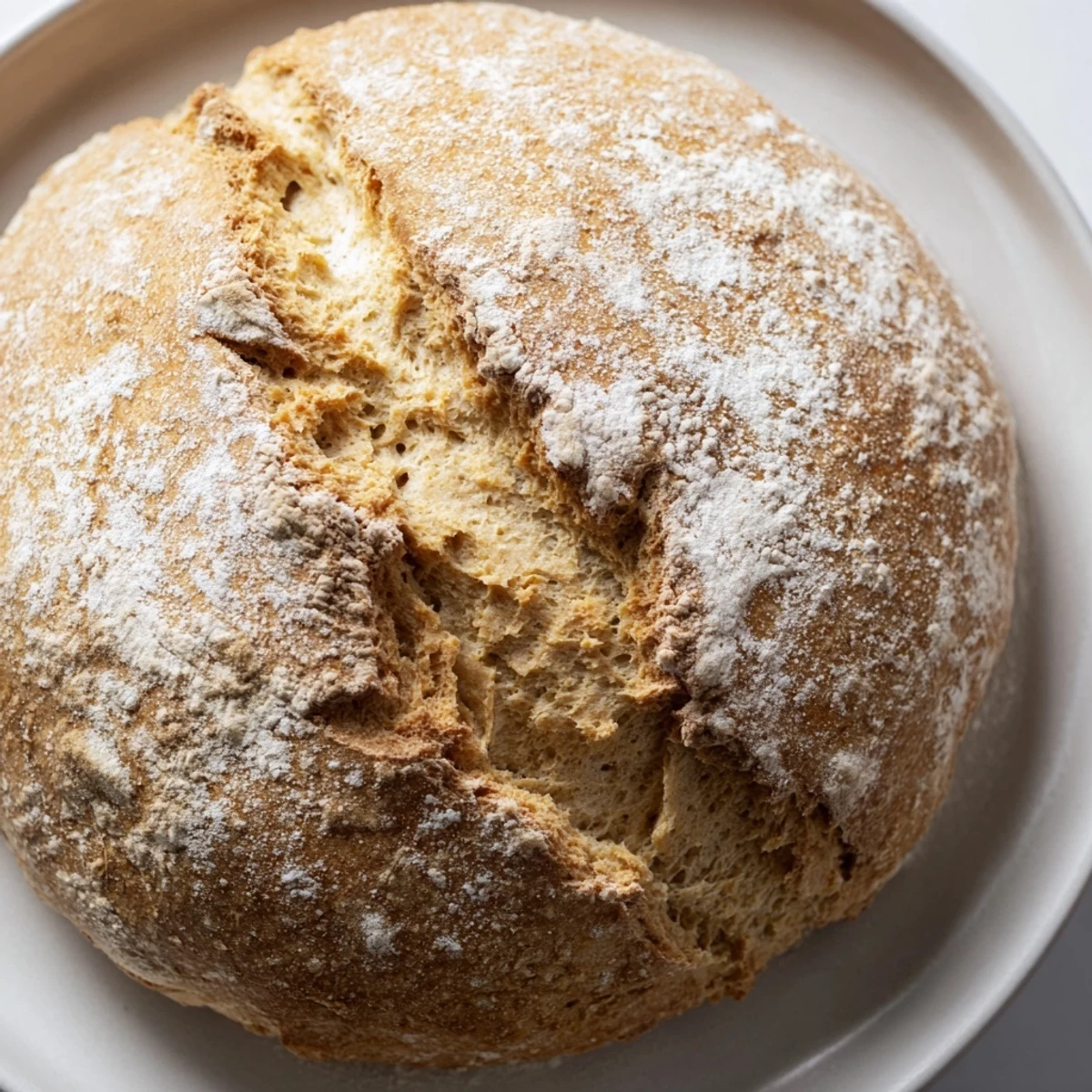
Save There is something deeply satisfying about making bread that does not demand hours of your time. Simple ingredients handled with respect yielding something extraordinary. That is the beauty of soda bread.
Recipe FAQs
- → What makes Irish soda bread unique?
-
Irish soda bread uses baking soda as a leavening agent instead of yeast, resulting in a quick, dense loaf with a tender crumb.
- → Can I substitute buttermilk in this bread?
-
Yes, mix milk with lemon juice or vinegar and let it sit for 5 minutes to mimic buttermilk’s acidity and texture.
- → How do I know when the bread is baked through?
-
The loaf should be golden brown and sound hollow when tapped on the bottom, indicating it’s fully cooked inside.
- → Is it necessary to score the top of the loaf?
-
Scoring with a deep X allows steam to escape and helps the loaf expand evenly during baking.
- → Can I use whole wheat flour in this bread?
-
Yes, substituting half of the all-purpose flour with whole wheat adds a richer flavor and denser texture.