
 Save
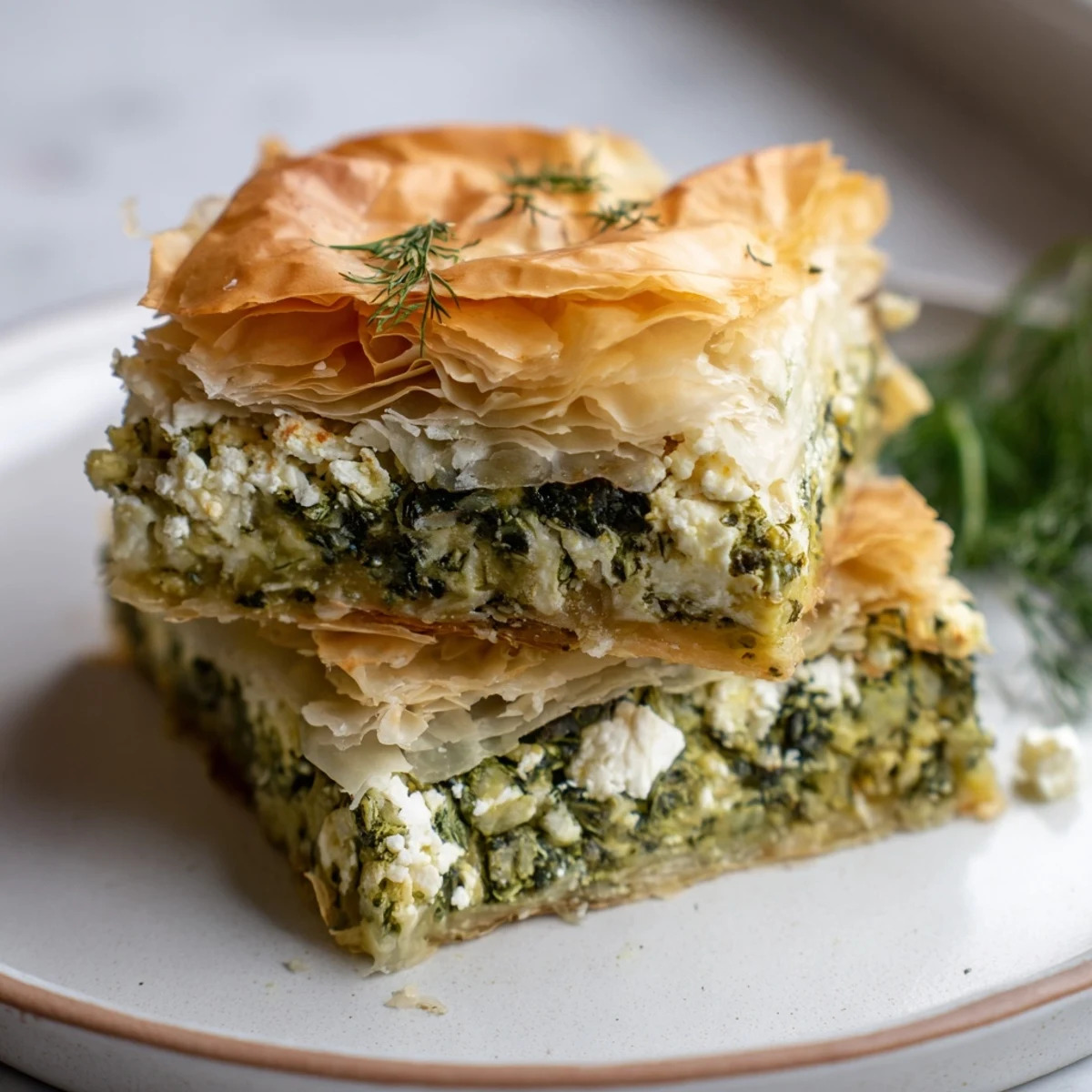
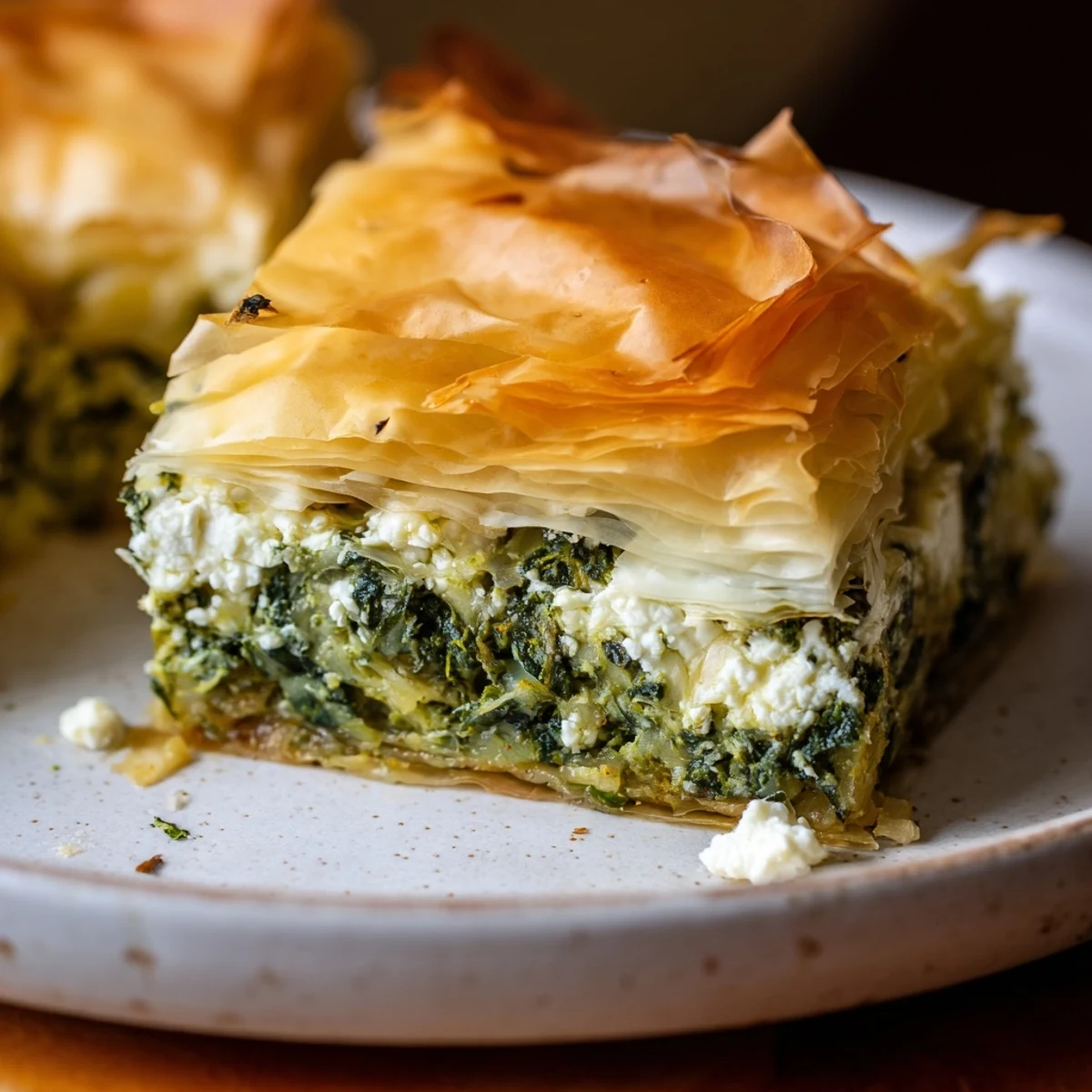
Save This traditional Greek savory pie combines delicate, crispy phyllo pastry with a rich filling of spinach, aromatic herbs like dill, parsley, and mint, and creamy feta cheese. The preparation involves sautéing onions and spinach until perfectly wilted, then combining with cheeses and eggs to create a luscious, flavorful mixture. Layered carefully between butter-brushed phyllo sheets, the filling bakes into golden, flaky perfection. The result is a delightful balance of textures—crisp pastry giving way to tender, herb-infused spinach and tangy feta.
The first time I made spanakopita, I was visiting my friend Maria in her tiny Athens kitchen. She taught me that the secret isn't just in the ingredients—it's in the patience you bring to the phyllo. We spent the whole morning laughing over torn pastry sheets and drinking coffee while the onions softened. Now I make it whenever I need to feel that same Sunday morning peace.
Last summer I brought this to a neighborhood potluck, and honestly, I was nervous it wouldn't travel well. But something magical happened during that twenty minute drive—the flavors settled into each other, and when I cut into that golden crust, everyone fell quiet. Three people asked for the recipe before they even finished their first serving.
Ingredients
- Fresh spinach: The backbone of this dish, though frozen works perfectly if you squeeze out every drop of excess water
- Yellow onion and spring onions: Together they create a sweet-savory base that mellows beautifully as they cook
- Fresh dill, parsley, and mint: These herbs make the filling sing—fresh is absolutely worth the extra prep time
- Feta and ricotta: The feta brings the salt and tang while ricotta adds creaminess that prevents the filling from becoming dry
- Phyllo dough: Keep it covered with a damp towel while you work, because dried-out sheets will crack and frustrate you
- Olive oil and butter: Using both gives you that perfect golden crisp and rich flavor Greeks have mastered for centuries
Instructions
- Get your oven ready and prep the pan:
- Preheat to 180°C (350°F) and grease a 33x23 cm rectangular dish with a little olive oil.
- Cook the onions until they're soft and sweet:
- Warm 2 tablespoons olive oil in a large skillet over medium heat, add diced onion and cook for about 5 minutes until translucent, then throw in sliced spring onions for 2 more minutes.
- Wilt the spinach and add the herbs:
- Add spinach in batches if you're using fresh, cooking until wilted and all liquid has evaporated, then remove from heat and stir in dill, parsley, and mint before letting it cool slightly.
- Mix up the creamy filling:
- In a large bowl, combine crumbled feta, ricotta, beaten eggs, salt, pepper, and nutmeg, then fold in the cooled spinach mixture until everything is evenly distributed.
- Keep your phyllo happy:
- Cover the phyllo dough with a damp towel while you work to prevent it from drying out and becoming impossible to handle.
- Build the buttery bottom crust:
- Layer 6 to 8 sheets of phyllo in the baking dish, brushing each one generously with olive oil or melted butter.
- Spread the filling evenly:
- Scoop the spinach mixture over the phyllo layers and spread it out to the edges.
- Layer the top sheets:
- Arrange remaining phyllo sheets over the filling, brushing each with oil or butter, then tuck in the edges and give the top a final generous brush.
- Score before baking:
- Use a sharp knife to cut through just the top layers into squares or diamonds—this makes serving so much easier later.
- Bake until golden and crisp:
- Bake for 45 to 50 minutes until the top is deeply golden and the filling is bubbling around the edges.
- Let it rest before serving:
- Cool for 10 minutes so the filling sets—this patience makes all the difference in clean slices.
 Save
Save My aunt served this at her Easter gathering one year, and I remember watching her grandchildren sneak pieces while it cooled on the counter. She didn't even mind—she said spanakopita tastes better when it's loved by little fingers.
Getting Ahead
You can assemble the entire spanakopita up to 24 hours before baking, wrap it tightly, and keep it refrigerated. This actually improves the flavor because the herbs and cheese have time to become friends.
Freezing Instructions
Wrap unbaked spanakopita thoroughly in plastic and foil, then freeze for up to 3 months. Bake from frozen, adding about 15 extra minutes—the crust will be just as perfect.
Serving Suggestions
A crisp Greek salad with ripe tomatoes and cucumber balances the richness perfectly. Some grilled lemons on the side add brightness that cuts through the cheese.
- Warm pieces are irresistible, but room temperature reveals more nuanced herb flavors
- A drizzle of honey might sound strange, but Greeks have been doing this for centuries
- Leftovers make an incredible breakfast the next morning, if they last that long
 Save
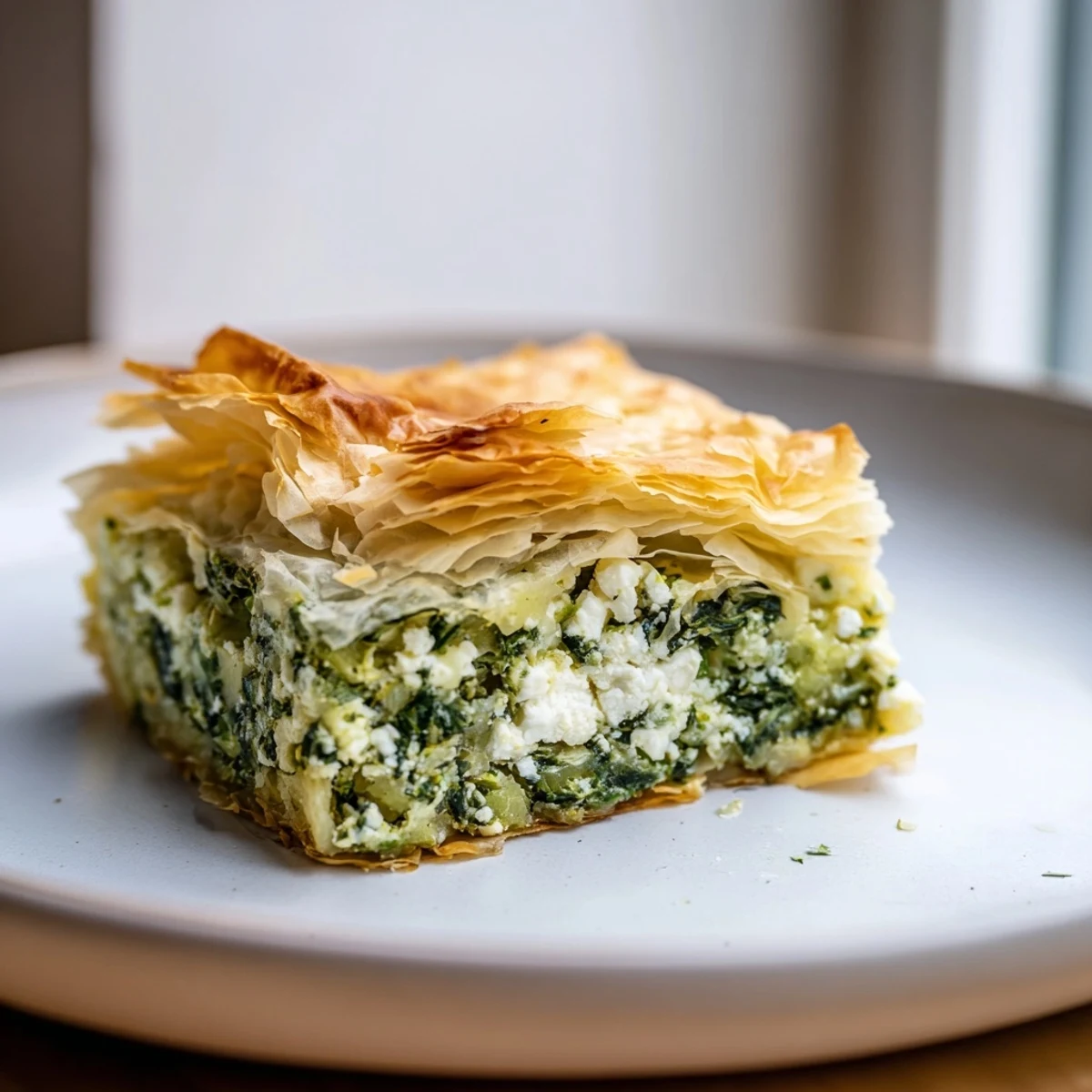
Save There's something deeply satisfying about pulling a spanakopita from the oven—golden, fragrant, and absolutely Worth every minute spent at the stove.
Recipe FAQs
- → Can I use frozen spinach instead of fresh?
-
Yes, frozen spinach works well. Use 600 g thawed and thoroughly drained to remove excess moisture, which prevents a soggy filling.
- → How do I prevent phyllo from drying out?
-
Keep unused phyllo covered with a damp towel while working. Brush each layer with olive oil or butter as you assemble.
- → Can spanakopita be made ahead?
-
Assemble and refrigerate up to 24 hours before baking. For longer storage, wrap tightly and freeze for up to 3 months.
- → What should I serve with spanakopita?
-
Pair with Greek salad, tzatziki sauce, or roasted vegetables. A crisp white wine like Assyrtiko complements beautifully.
- → How do I achieve the crispiest results?
-
Brush each phyllo layer generously with oil and butter, ensure filling is cooled before assembly, and bake until deeply golden.
- → Is spanakopita suitable for vegetarians?
-
Yes, this traditional dish is naturally vegetarian, packed with spinach, herbs, and cheeses within flaky phyllo pastry.